

Grey Bedroom Design Ideas
Grey works unusually well in bedrooms because it can be warm, cool, soft or dramatic depending on the shade and what you place around it. The strongest grey bedroom design ideas do not simply paint every wall grey. They combine the right grey with wood, white, beige, lighting, upholstery and texture to create a bedroom that feels calm rather than flat.
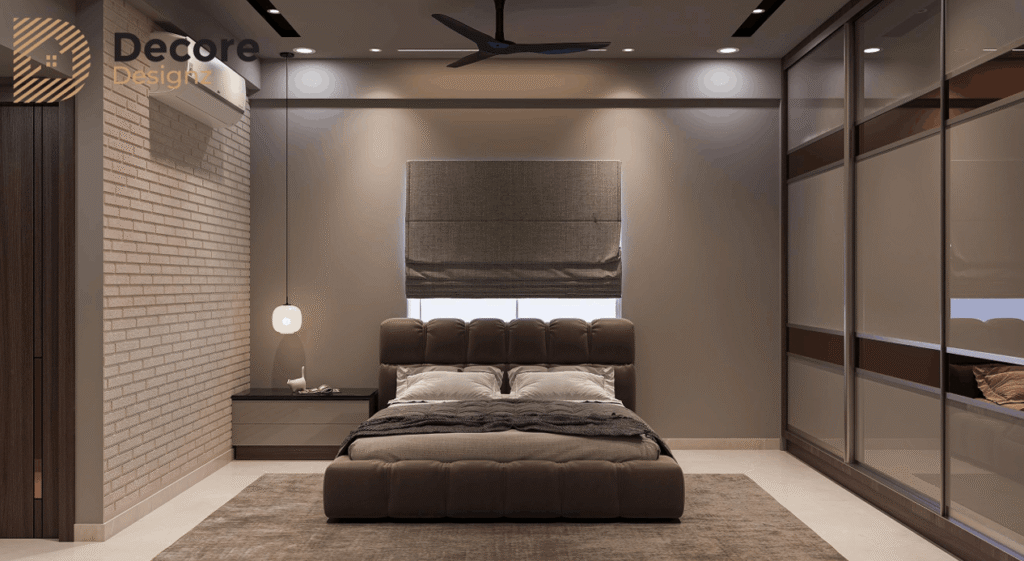
Is grey a good colour for a bedroom?
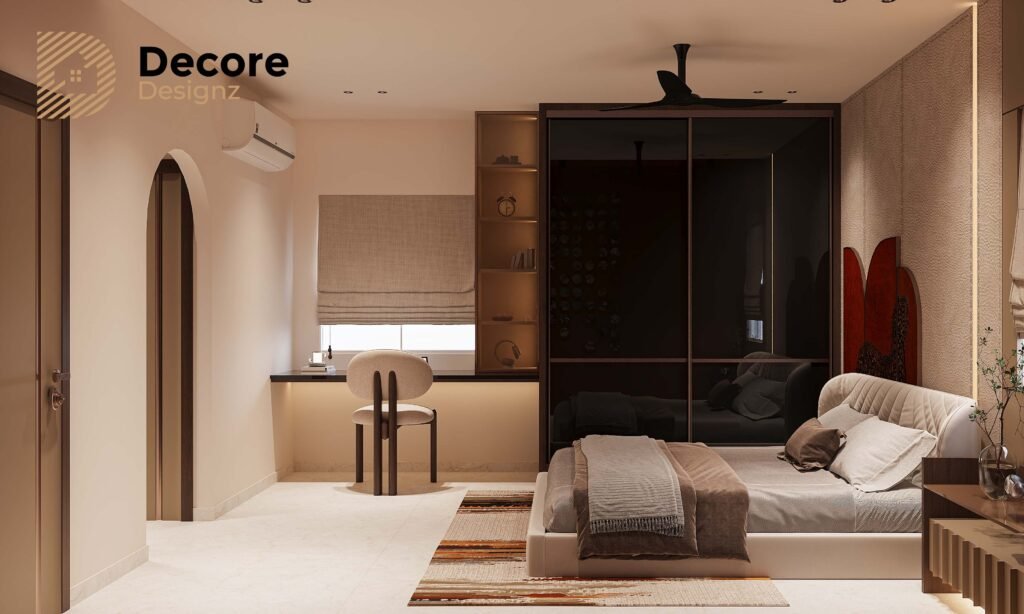
Yes. Grey is one of the most adaptable bedroom colours because it provides a neutral background while allowing furniture, textures and accent colours to do the visual work.
The important part is choosing the right grey for the room.
A cool pale grey can make a bright bedroom feel clean and contemporary. A warm greige can make the same type of room feel softer. Charcoal can create a dramatic feature wall, while mid-grey can provide contrast without becoming overpowering.
For a bedroom, the goal is usually not to make grey the most noticeable element. It is to use grey to establish the mood of the room and then build the rest of the interior around it.
What are the best grey bedroom colour combinations?
The best combinations depend on the shade of grey and the overall style you want.
Some reliable combinations include:
- Grey and white for a clean modern look
- Grey and beige for warmth
- Grey and walnut for a richer contemporary bedroom
- Grey and light wood for a softer natural look
- Grey and muted green for an earthy feel
- Grey and blush pink for a softer bedroom
- Grey and navy blue for a deeper, more dramatic palette
- Grey and black for a monochrome modern bedroom
- Grey and cream for a warm, understated bedroom
- Grey and gold accents for a more luxurious look
The difference between these schemes is not simply the second colour. The finish, lighting, proportions and furniture also determine how the grey will actually feel in the room.
Should the bedroom walls and furniture be the same colour?
There is no single “best” grey.
The right shade depends mainly on natural light, room size and the colours already present in the bedroom.
Light grey
Light grey is useful when you want the bedroom to feel open and understated.
It works particularly well in apartments and smaller bedrooms because it provides colour without introducing the visual weight of a dark wall.
Pair it with:
- White
- Cream
- Light wood
- Soft beige
- Pale upholstery
For a minimalist bedroom, light grey can also provide more depth than an all-white scheme without making the room visually busy.
Warm grey
Warm grey has subtle beige or brown undertones.
It is often a better choice when you want a comfortable bedroom rather than a sharply contemporary one.
Warm grey works well with:
- Walnut
- Beige
- Cream
- Taupe
- Natural wood
- Warm lighting
This is particularly useful when the rest of the home already uses warm materials.
Mid-grey
Mid-grey provides more contrast while remaining relatively neutral.
It can work well behind the bed, on selected cabinetry or through upholstery.
The key is to give the room enough lighter surfaces so the grey does not dominate.
Charcoal grey
Charcoal is much more dramatic.
It can look excellent on a headboard wall or another controlled feature surface, particularly when paired with lighter bedding, warm wood and layered lighting.
Using charcoal across too many large surfaces in a poorly lit bedroom can make the room feel heavy. The problem is not the colour itself; it is the proportion.
How do you design a modern grey bedroom?
A modern grey bedroom usually works best when the palette is restrained and the furniture has clean lines.
A practical combination could be:
Warm grey + white + walnut + black accents
The grey establishes the background, white keeps the room lighter, walnut adds warmth and black gives selected details some definition.
Modern bedrooms should not rely on colour alone. Lighting, wardrobe shutters, headboard detailing, bedside storage and wall treatment all contribute to the final appearance.
Decore Designz’s existing modern-bedroom guidance similarly identifies beige, grey and white as calming neutral colours and combines them with clean-lined wardrobes, soft materials and warm lighting.
What does a grey and white bedroom look like?
Grey and white is one of the cleanest combinations for a contemporary bedroom.
Use white where you need brightness and grey where you want definition.
For example:
- White ceiling
- Light grey walls
- Grey upholstered bed
- White or light bedding
- Darker grey or black accents
- Warm wood bedside tables
The important thing is not to make every element the same shade.
Different tones and textures keep a neutral bedroom from looking sterile.
A textured grey wall behind the bed can work particularly well because it introduces depth without requiring another strong colour.
Does grey work with wooden furniture?
Yes, and this is one of the strongest ways to prevent a grey bedroom from feeling cold.
Grey provides a neutral, slightly restrained background. Wood introduces warmth and visible texture.
Grey + walnut
Walnut gives grey a richer, more premium appearance.
This works particularly well with darker grey walls, upholstered beds and warm lighting.
Grey + light wood
Light wood produces a softer result.
It works well when you want the bedroom to feel contemporary but relaxed rather than dramatic.
Grey + medium wood
Medium wood tones provide a useful middle ground. They can add warmth without creating the stronger contrast of dark walnut.
The important consideration is consistency. If the wardrobe, bed, bedside tables and other furniture all use different wood tones, the bedroom can become visually fragmented.
How can you make a grey bedroom feel warm?
This is where many grey bedroom designs go wrong.
Grey is neutral, but some greys have strong cool undertones. If you combine a cool grey with bright white, cool lighting, glass and metal everywhere, the bedroom can start feeling clinical.
To warm it up, introduce:
- Warm white rather than stark white
- Natural or walnut wood
- Soft upholstery
- Beige or cream textiles
- Textured wall finishes
- Rugs and curtains
- Warm layered lighting
- Muted accent colours
You do not necessarily need to remove grey.
You need to balance it.
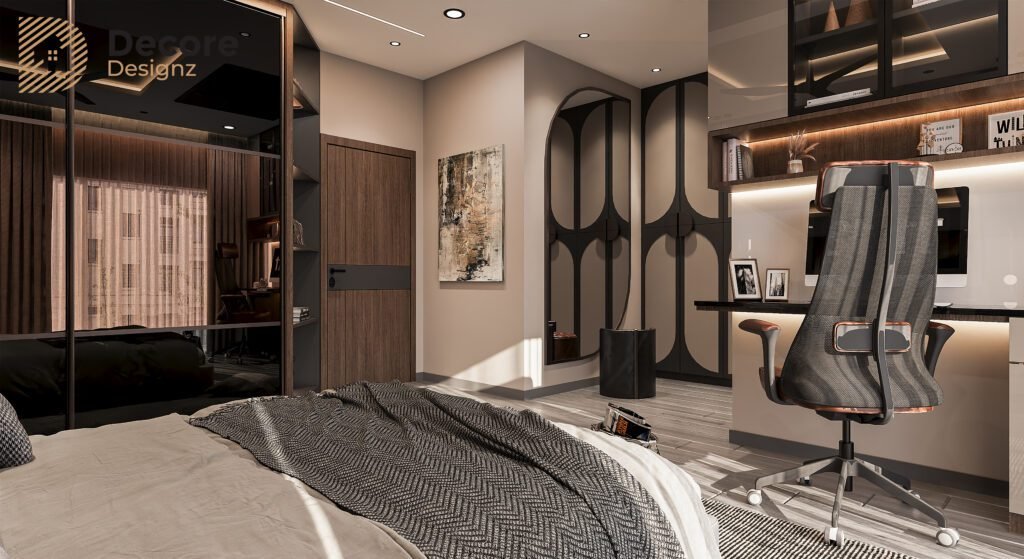
What colours go well with grey in a bedroom?
Grey and beige
This is one of the safest combinations when you want a soft, contemporary bedroom.
Beige warms the grey without creating a strong colour contrast.
Grey and green
Muted sage or olive green works particularly well with grey.
The combination has a natural quality and can be softened further with wood and cream.
Avoid highly saturated green if the objective is a calm bedroom.
Grey and navy
Grey and navy create a deeper, more sophisticated palette.
Use one as the dominant colour and the other as an accent rather than giving both equal visual weight.
Grey and blush pink
A muted blush can soften grey without turning the bedroom overly colourful.
Cream, light wood and soft textiles can make the combination feel more mature and contemporary.
Grey and black
This creates a strong monochrome look.
The trick is to introduce different shades and textures rather than relying on flat black-and-grey surfaces.
Black works particularly well through lighting, furniture frames, handles or small decorative details.
Should the whole bedroom be grey?
Usually, no.
An all-grey bedroom can work, but only when different tones and textures are deliberately layered.
For example, you could combine:
Light grey wall + medium-grey upholstery + charcoal accent + warm wood + cream bedding
This is technically a grey-led palette, but it does not look like one flat colour repeated everywhere.
If everything is exactly the same grey, the room loses depth.
Should the wall behind the bed be darker?
It can be.
A darker grey behind the bed is one of the easiest ways to create a focal point.
The wall becomes the visual anchor while the remaining surfaces stay lighter.
For example:
Charcoal bed wall + light grey side walls + cream bedding + walnut furniture
creates much more contrast than painting every wall charcoal.
This approach also works well when the headboard is integrated into a larger wall treatment.
How can you use grey in a small bedroom?
Grey can work very well in a small bedroom if the shade and proportions are controlled.
For a compact room, consider:
- Light or warm grey on the main walls
- White or warm-white ceiling
- Minimal contrast in large furniture
- Reflective surfaces used selectively
- Light bedding and curtains
- Integrated storage
- Warm layered lighting
A small bedroom does not have to be completely white.
The bigger mistake is using too many dark surfaces at once.
If the wardrobe, bed, walls and ceiling are all dark, the room may feel visually compressed. A lighter background with one darker grey feature can create much better balance.
How should grey work with bedroom wardrobes?
The wardrobe is often one of the largest surfaces in a bedroom, so it needs to be considered as part of the colour scheme.
A grey bedroom with a large dark-grey wardrobe can become too heavy if the bed wall is also charcoal.
Instead, create contrast.
For example:
Light grey walls + darker grey wardrobe + warm wood bed
or
Charcoal feature wall + light neutral wardrobe + upholstered bed
Both approaches create hierarchy.
Wardrobe finish matters too. Matte grey generally creates a quieter appearance, while glossy or reflective finishes can make the colour appear brighter and more visually active.
Decore Designz’s approach to wardrobe planning also considers finish, hardware, internal organisation and the relationship between the wardrobe and the wider bedroom rather than treating the shutter colour as an isolated decision.
What flooring works with a grey bedroom?
Grey is flexible enough to work with several flooring directions.
Wood flooring
Wood is one of the easiest ways to warm up a grey bedroom.
Light wood creates a softer look, while walnut or darker wood produces stronger contrast.
Light neutral flooring
Cream, beige or light stone-look flooring can make a grey bedroom feel more spacious.
Grey flooring
Grey-on-grey can work, but the tones should not be identical.
Use differences in shade and texture so the floor does not visually disappear into the walls.
The flooring should also be considered with the wardrobe and furniture finish. A grey wall, grey wardrobe and grey floor can become monotonous if there is no variation in tone.
What lighting works best in a grey bedroom?
Lighting has a major effect on grey.
A cool grey under cool white lighting can look considerably colder than the same colour under warm lighting.
For bedrooms, layered lighting is usually more useful than relying on a single ceiling fixture.
Consider:
- General ambient lighting
- Bedside lighting
- Wardrobe or dressing lighting where needed
- Concealed lighting for selected details
- Accent lighting around wall treatments
Warm lighting can soften grey surfaces and make wood, upholstery and textured finishes appear richer.
Decore Designz’s bedroom design approach considers lighting together with colours, materials, furniture and storage rather than treating lighting as a final decorative addition.
How do you make a grey bedroom look luxurious?
Luxury does not come from simply choosing a darker grey.
It comes from how the colour interacts with materials and detailing.
A refined grey bedroom could combine:
Warm grey + walnut + cream upholstery + textured wall treatment + warm lighting + restrained black or metallic accents
Texture becomes particularly important when the palette is neutral.
Consider:
- Upholstered headboards
- Fabric curtains
- Textured wall panels
- Wood grain
- Matte wardrobe finishes
- Soft rugs
- Layered bedding
When there are fewer colours, differences in texture become more visible.
That is why a well-designed neutral bedroom can feel much richer than a room filled with multiple accent colours.
Can grey work in a minimalist bedroom?
Grey is particularly suitable for minimalist interiors because it gives the room more tonal depth without adding visual clutter.
A simple palette could use:
Warm grey + off-white + light wood
Keep the furniture clean-lined and limit unnecessary decorative elements.
Storage is also important. If everyday items are left visible everywhere, the controlled colour palette will not make the bedroom feel minimalist.
Decore Designz’s minimalist approach similarly uses controlled neutral palettes, integrated storage, clean furniture and carefully selected accents rather than trying to decorate every available surface.
What mistakes should you avoid in a grey bedroom?
Using the wrong undertone
A blue-grey can feel very different from a warm greige.
Always assess the actual colour in the room’s lighting.
Making every surface grey
Grey walls, grey wardrobes, grey furniture, grey flooring and grey bedding can flatten the room.
Introduce wood, cream, white or another restrained accent.
Using cool lighting everywhere
Cool lighting can exaggerate the coldness of some greys.
Bedrooms generally benefit from softer, warmer layers.
Ignoring natural light
A grey that looks excellent in a bright showroom may appear much darker in a bedroom with limited daylight.
Choosing grey before choosing the furniture
The wardrobe, bed, flooring and curtains are large visual elements.
Choose the overall palette rather than selecting wall paint in isolation.
Confusing “neutral” with “boring”
Grey does not have to produce a bland bedroom.
Texture, lighting, furniture detailing and controlled contrast can create plenty of character without adding many colours.
What is the easiest grey bedroom design formula to follow?
If you want a reliable starting point, use this:
- Choose a warm or neutral grey for the main background.
- Add white or cream to keep the room visually light.
- Introduce wood through furniture or selected wall details.
- Choose one accent colour such as muted green, navy, blush or terracotta.
- Add texture through upholstery, curtains, rugs or wall treatments.
- Use warm layered lighting to control the final mood.
- Check the complete palette together before finalising individual finishes.
This gives you enough variation without turning the bedroom into a collection of unrelated colours.
A grey bedroom should still feel like your bedroom
The strongest grey bedroom design ideas are not the ones that reproduce a reference image exactly.
A reference can show you what a grey palette looks like, but your actual bedroom has different dimensions, natural light, storage requirements, furniture and daily routines.
Decore Designz approaches bedroom interiors by considering these practical requirements alongside colour, materials, lighting and furniture. The studio’s bedroom service specifically covers bed and bedside planning, wardrobes, dressing units, headboard and wall treatments, and ambient/task lighting.
That is the difference between choosing a grey paint colour and designing a grey bedroom.
If you are building a complete bedroom in Hyderabad, the colour should be developed together with the furniture layout, wardrobe, lighting and finishes. You can explore Decore Designz Studio’s interior design services in Hyderabad to discuss the requirements of your space.
Final Takeaway
Grey is not a single bedroom style.
A pale grey with white creates a clean modern room. Warm grey with walnut feels richer. Grey with beige creates softness. Grey with muted green feels more natural. Charcoal with cream and wood can create a much more dramatic bedroom.
The key is to choose the shade according to the room, then build the furniture, lighting, materials and accent colours around it.
Frequently Asked Questions
Is grey a good colour for a bedroom?
Yes. Grey works well because it can be soft and calming or dark and dramatic depending on the shade. The right combination of lighting, furniture and accent colours determines how the finished bedroom feels.
Which colour goes best with grey in a bedroom?
White, beige, cream, walnut, light wood, muted green, navy and blush are all useful pairings. The best option depends on whether you want a warm, modern, minimalist or more dramatic bedroom.
Which shade of grey is best for a bedroom?
Warm grey is a versatile choice for a comfortable bedroom, while light grey works well in smaller or brighter rooms. Charcoal can be used effectively as a controlled feature colour.
Is grey good for a small bedroom?
Yes. Light and warm greys can work well in smaller bedrooms. Keep the larger surfaces lighter and use darker grey selectively to avoid making the room feel visually heavy.
Does grey make a bedroom look cold?
It can if you combine a cool grey with cool lighting and several other cold materials. Warm wood, cream textiles, textured surfaces and warm lighting can make a grey bedroom feel considerably more comfortable.
What colour furniture goes with grey bedroom walls?
Wood tones, white, cream, black and upholstered furniture can all work. Walnut creates a richer appearance, while light wood produces a softer and more relaxed result.
Is grey still good for modern bedroom design?
Yes. Grey remains a useful neutral for modern interiors because it works with clean-lined furniture, wood, textured finishes, white and controlled accent colours. Decore Designz also identifies grey as one of the neutral tones used in modern bedroom interiors.