
Aesthetic Bedroom Design Ideas for a Calming Space
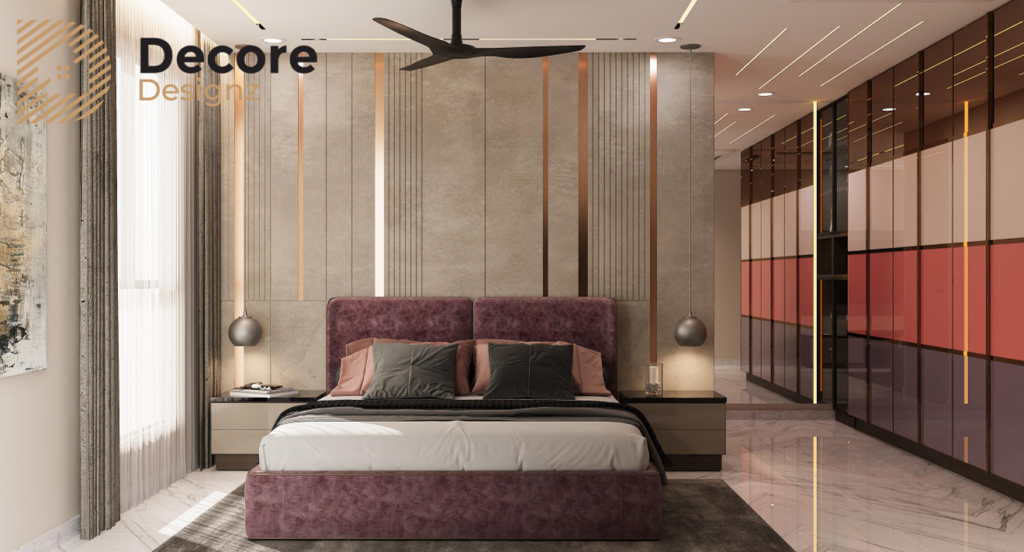
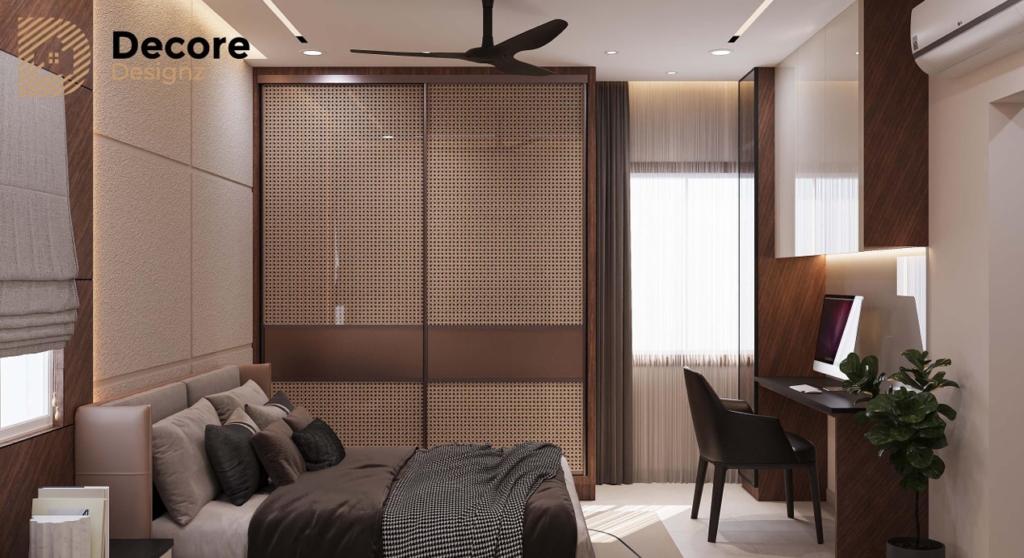
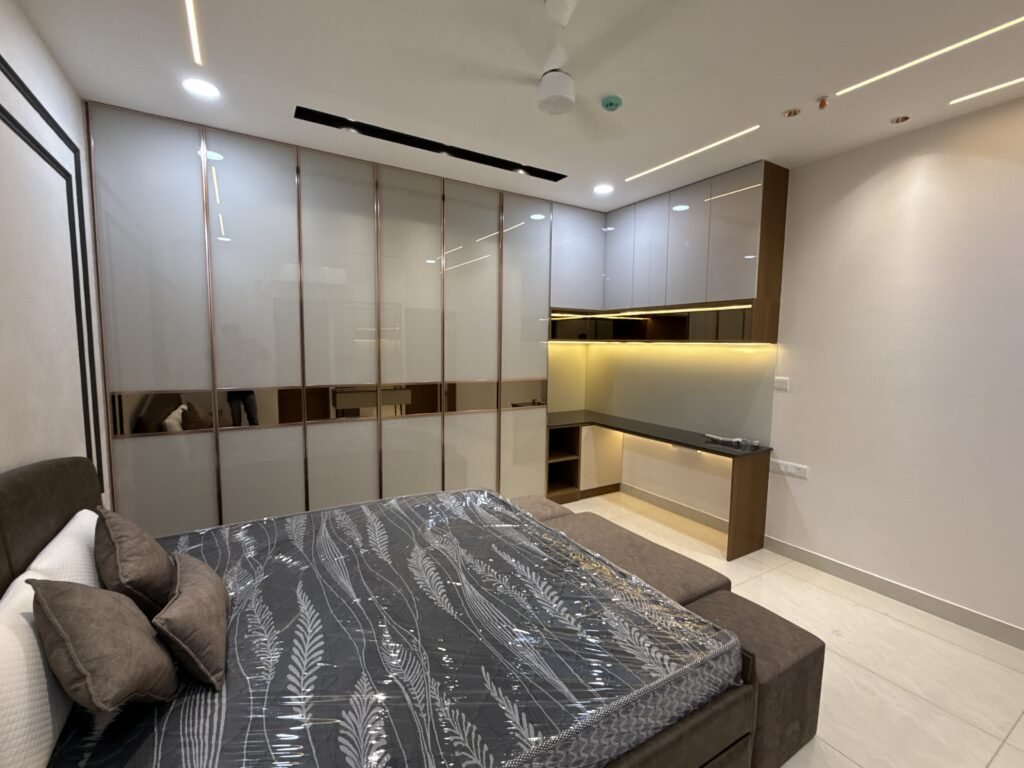
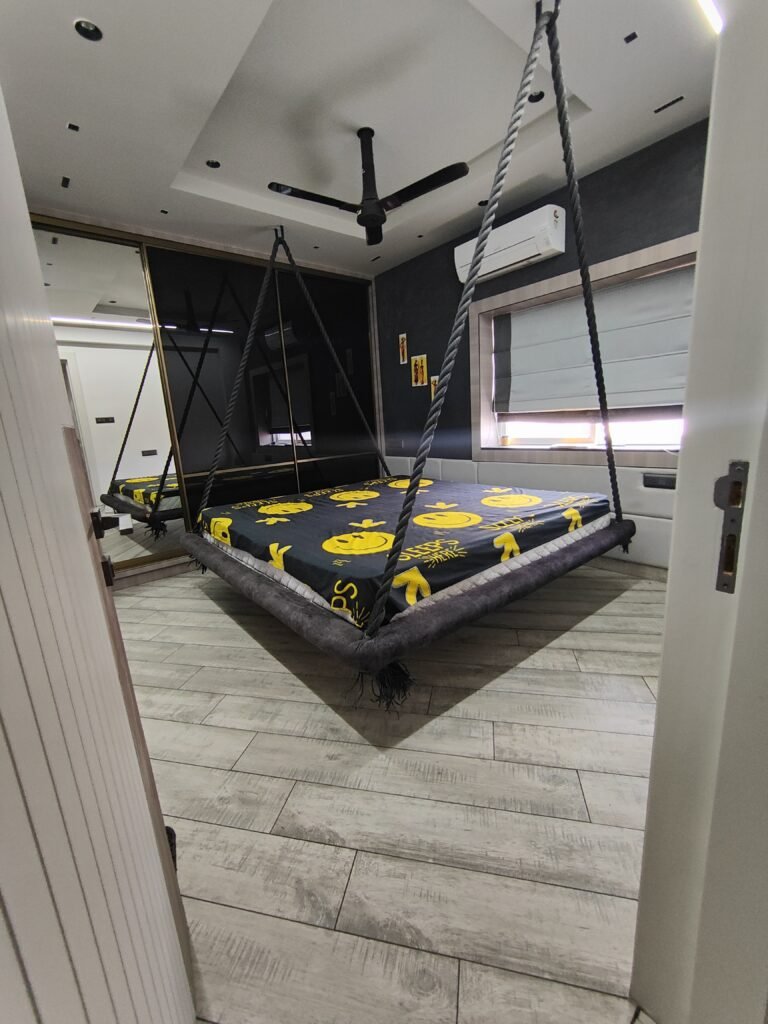
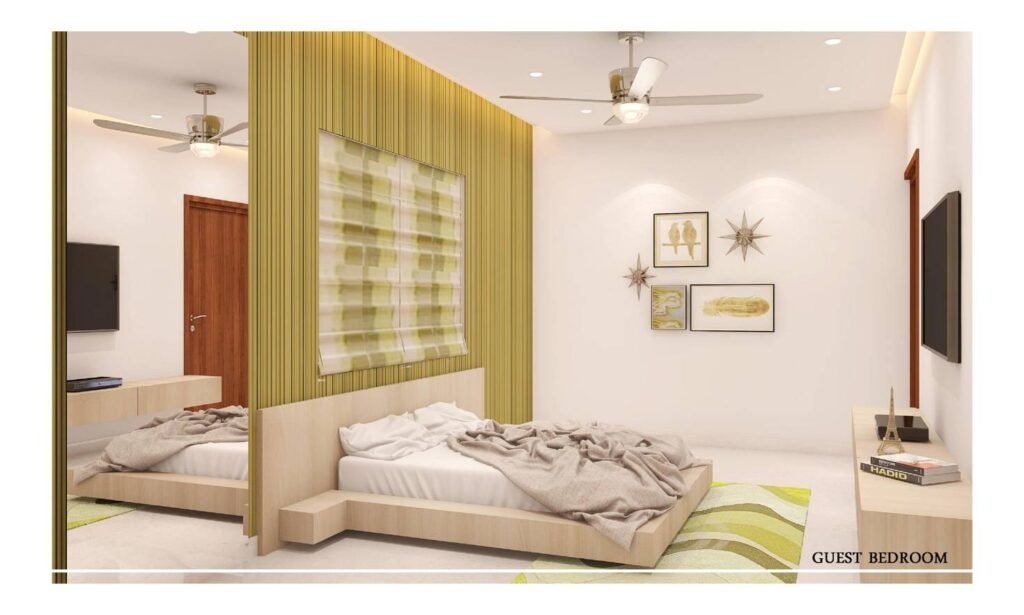
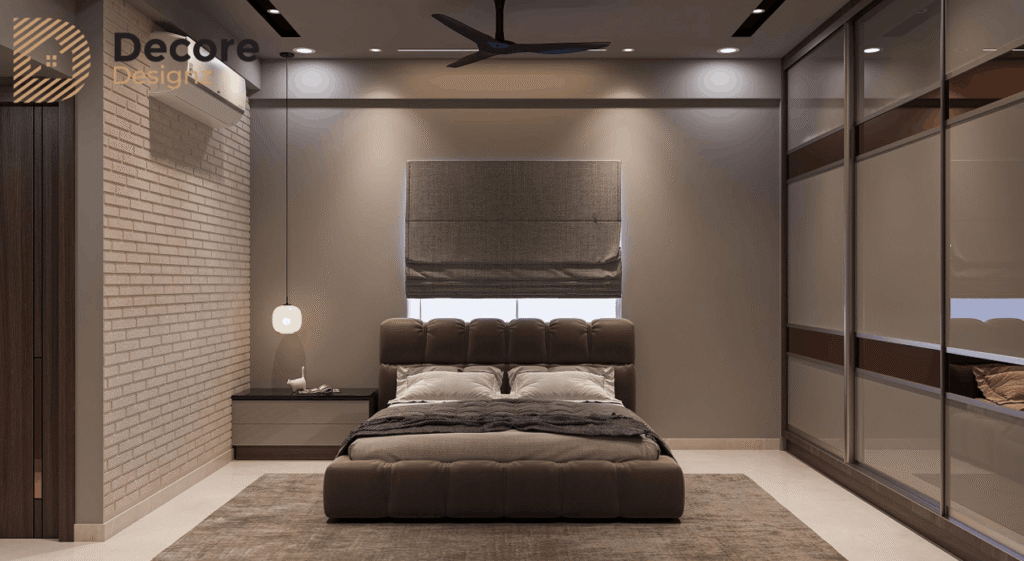
Aesthetic Bedroom Design Ideas for a Calming Space A calming bedroom does not need expensive decor, elaborate wall panels or a perfectly styled bed. The best aesthetic bedroom designs bring together colours, textures, lighting, furniture and personal details that feel consistent with one another. Whether you prefer warm neutrals, natural materials, a minimalist look or a soft contemporary style, the aim is to create a room that feels comfortable to return to at the end of the day. What makes a bedroom aesthetic and calming? An aesthetic bedroom has a clear visual direction. Its colours complement one another, furniture suits the available space, lighting creates the right atmosphere, and decorative elements feel intentional rather than scattered. A calming bedroom also works in everyday life. Storage is accessible, surfaces are manageable, and the layout supports the way you use the room. A beautiful bedroom that is difficult to maintain or uncomfortable to move around in is not well designed. Here are practical ways to create that balance. 7 aesthetic bedroom design ideas to create a calmer space 1. Start with a colour palette that feels cohesive Colour establishes the mood of a bedroom before you add furniture or decor. Warm white, beige, muted greige, soft brown and pale wood can create a relaxed foundation. Muted green and dusty blue offer alternatives when you want colour without a visually busy result. Choose one main wall colour, a complementary colour for larger furniture or textiles, and a smaller accent for contrast. This gives the room a consistent appearance without making every element identical. For example, warm white walls can work with beige bedding, walnut-toned furniture and a muted green cushion. The colours differ, but their visual warmth helps them sit together. Pay attention to undertones. A cool grey wardrobe may look disconnected beside strongly yellow-toned walls, even when both colours appear neutral individually. For more combinations, explore bedroom colour design ideas. Use the existing colour-trends article as a related resource rather than turning this post into a comprehensive colour-pairing guide. 2. Use natural textures to make the room feel warmer A calming room often benefits from a mixture of surfaces rather than a single finish repeated everywhere. Consider combining: Wood or wood-finish furniture for visual warmth. Cotton or linen-look bedding for a softer appearance. A textured rug where it suits the layout. Matte finishes on selected furniture or walls. A small number of ceramic, woven or natural-fibre accessories. The key is contrast in texture, not quantity of decor. For instance, a smooth wardrobe finish can balance textured bedding and a fabric headboard. If the headboard, curtains, wallpaper and furniture all have strong patterns or pronounced textures, the room can begin to feel crowded. Material selection should also reflect maintenance. Fabric finishes can feel inviting but may collect dust or require more care than hard surfaces. Wood finishes vary in grain, colour and sheen, so view samples together before finalising them. 3. Choose furniture that leaves the room breathing Aesthetic bedroom design is not about filling every empty corner. Furniture should support the room’s purpose while leaving comfortable routes for movement. Start with the bed, then position the wardrobe and bedside storage. Add a dressing unit, bench or accent chair only if it serves a clear purpose and does not obstruct access. In a compact bedroom, a simple bed frame and streamlined bedside tables may work better than bulky furniture with decorative detailing. A larger bedroom can accommodate more substantial pieces, but it still benefits from a clear visual hierarchy. Keep the largest furniture pieces relatively consistent in finish. A coordinated bed, wardrobe and side table can make the room feel more organised without requiring matching furniture sets. If you are selecting furniture for a bedroom from scratch, plan its dimensions and placement before choosing decorative accessories. 4. Layer lighting for different moments of the day Lighting has a major effect on how a bedroom looks and feels. A single bright ceiling light may provide general visibility, but it can leave the room feeling flat when you want a softer evening atmosphere. Consider three functions: General lighting: Provides sufficient light for everyday activities and moving around the room. Task lighting: Bedside reading lights or lighting near a dressing area help with specific activities. Accent lighting: Concealed LEDs or a carefully illuminated feature can add depth when glare is controlled. Warm-white lighting is often suitable for a relaxed bedroom atmosphere, although the final choice should work with the wall colours, furniture finishes and the light needed for practical tasks. Plan the positions of switches, sockets and concealed lighting before the furniture and ceiling work is completed. Adding lighting after the layout is fixed can result in awkward cable routes or lights that do not illuminate the intended area. A decorative false ceiling is not essential. A straightforward ceiling with well-positioned fixtures can look just as considered. 5. Keep the bed wall simple but intentional The wall behind the bed often becomes the natural focal point of a bedroom. It does not need multiple decorative elements to stand out. Depending on the room, you could use a restrained paint contrast, a fabric headboard, a subtle textured finish or a simple wood-finish panel. The best option depends on the room’s proportions and the finishes used elsewhere. A feature wall should relate to the wardrobe, floor and bedding rather than compete with them. If the furniture already has a strong wood grain or prominent detailing, a quieter wall treatment may create a better balance. Avoid adding wall panels purely because they appear in inspiration photographs. They should have a clear visual purpose and suit the actual room. For more specific treatment options, see bedroom wall decor ideas. 6. Use soft furnishings to add depth without clutter Bedding, curtains, cushions and rugs can change the mood of a bedroom without requiring a complete redesign. Start with the larger textiles. Choose bedding and curtains that complement the main palette, then introduce a limited amount of contrast through cushions or
Aesthetic Bedroom Design Ideas for a Calming Space Read More »