
Wooden False Ceiling Designs: Warmth Meets Structure
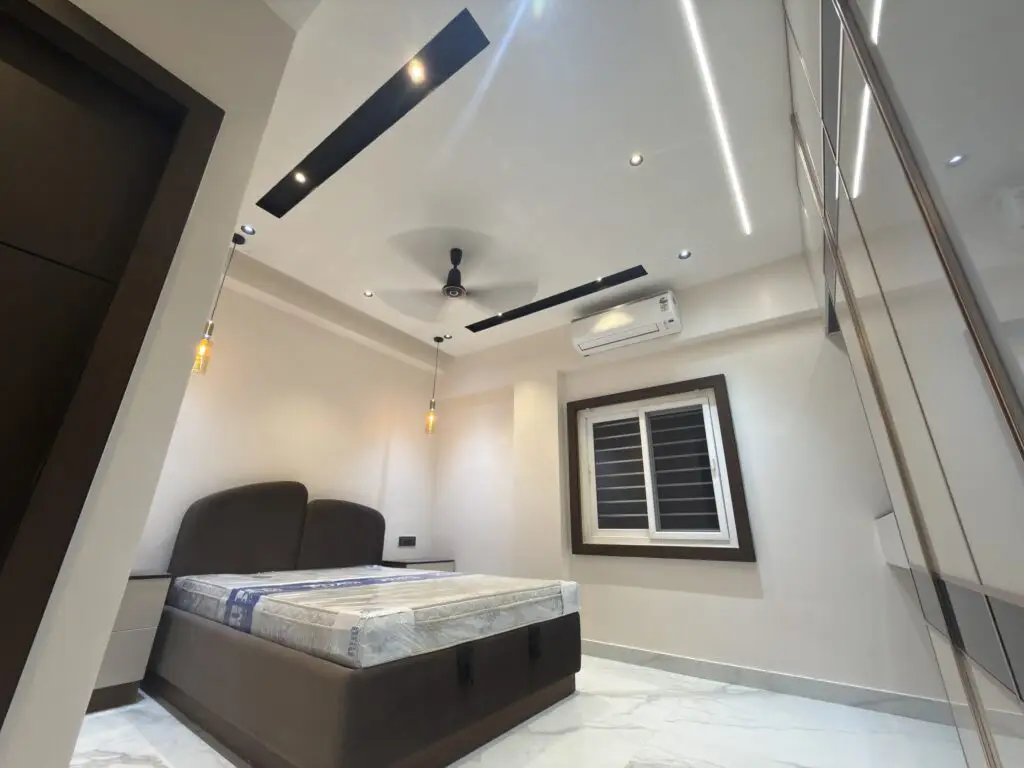
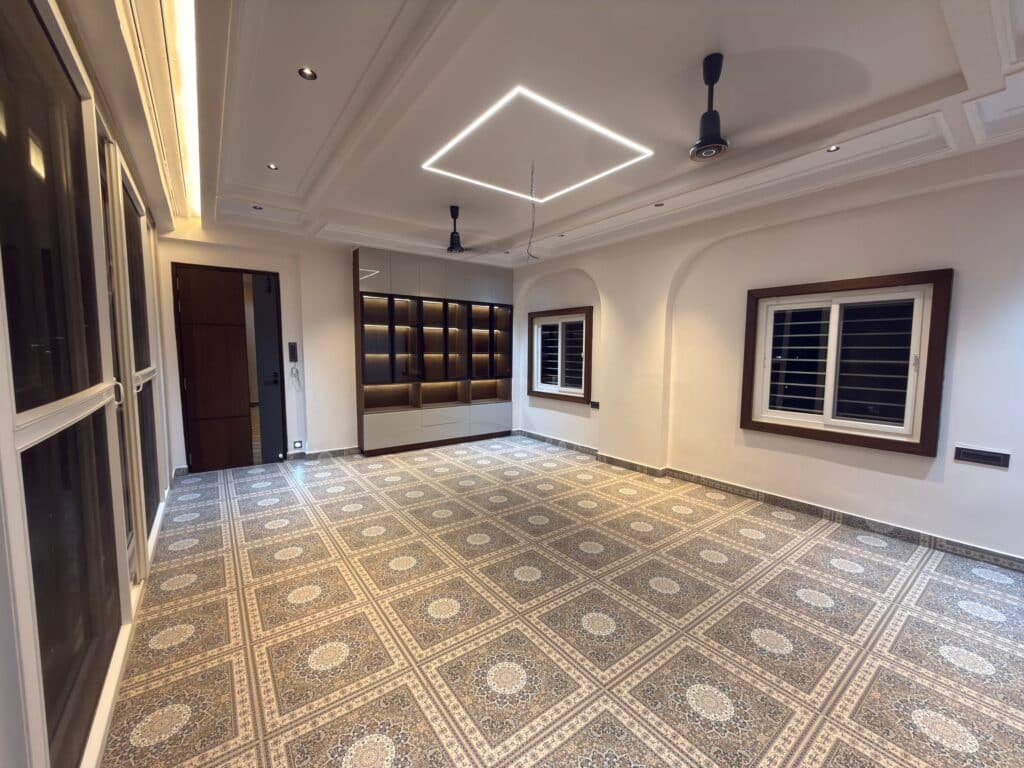
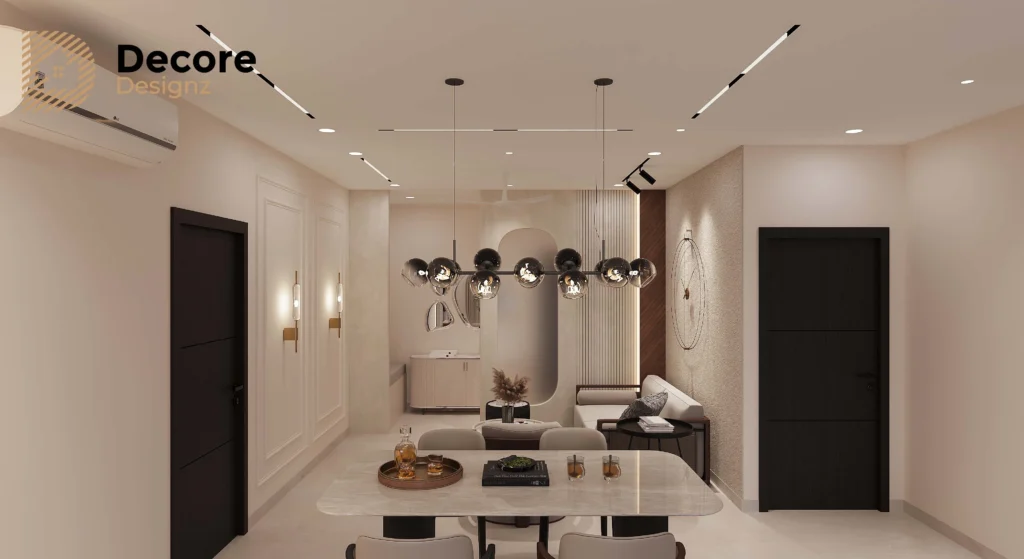
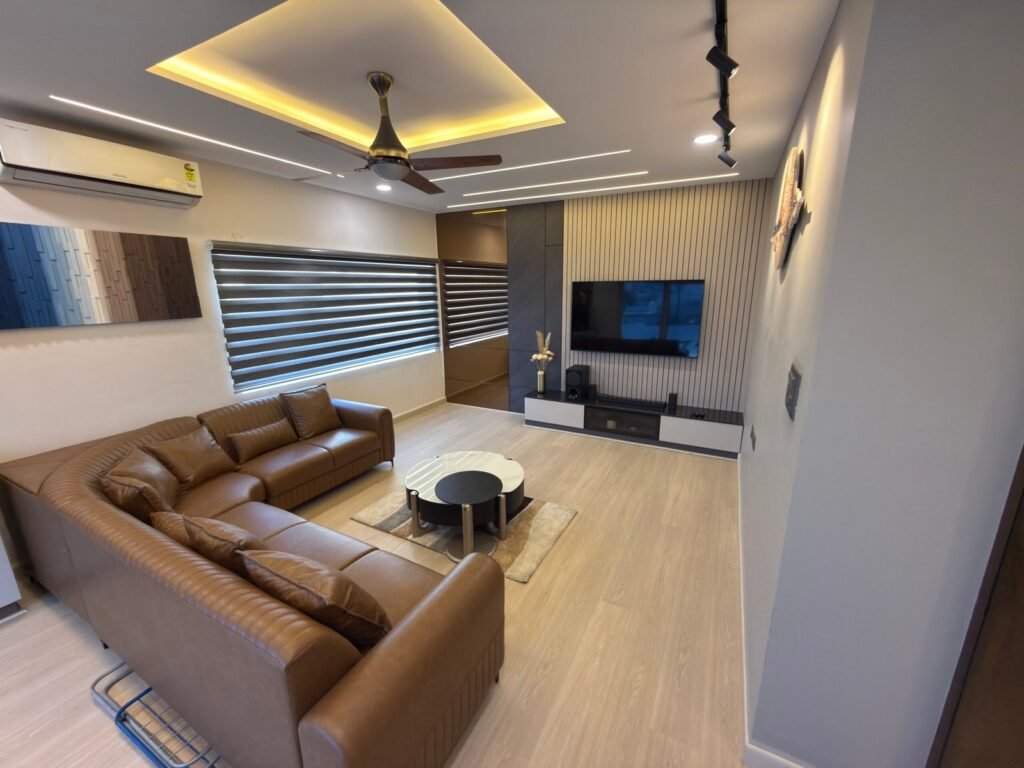
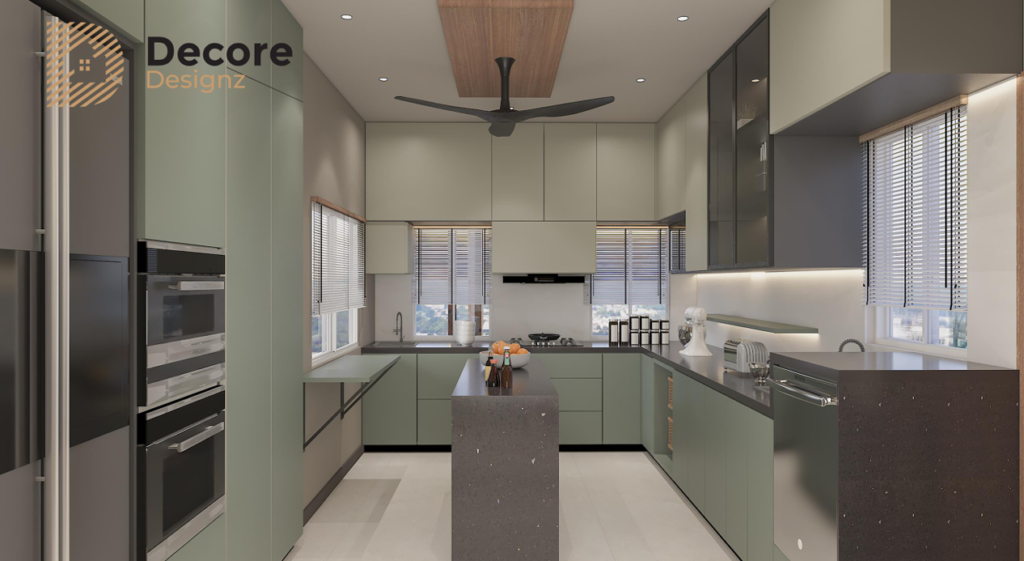
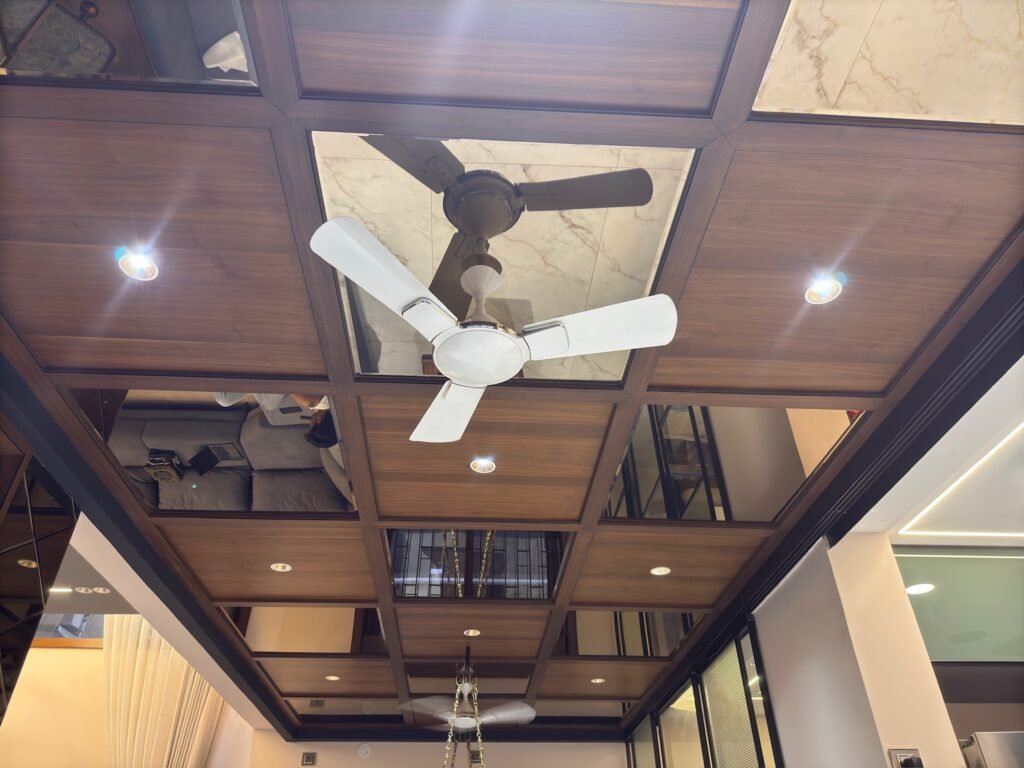
Wooden False Ceiling Designs: Warmth Meets Structure A wooden false ceiling can bring warmth, texture and architectural character to a room without relying on heavy decoration. But “wooden ceiling” can mean very different things: solid wood, veneer, engineered wood panels or wood-finish ceiling panels. The right choice depends on the room, ceiling height, humidity exposure, maintenance expectations and how the ceiling will work with lighting and furniture. What makes wooden false ceiling designs different? Wood changes the way a ceiling feels. A plain white or gypsum ceiling can visually recede into the background. Wood does the opposite. It introduces grain, texture and a warmer visual weight, so even a relatively simple ceiling treatment can become an important part of the room. That is why wooden false ceiling designs work particularly well when the rest of the interior already uses natural or warm finishes. The important part is restraint. A wooden ceiling does not need to cover the entire ceiling to make an impact. A framed panel, linear slats, a recessed section or a wood accent combined with a plain ceiling can often achieve the intended effect with better visual balance. What types of wooden false ceilings can you use? Not every ceiling that looks like wood is made from solid timber. Before choosing a design, understand what is actually being specified. Solid wood ceiling Solid timber gives you genuine wood grain and a natural material presence. It can create a distinctive architectural finish, but wood is hygroscopic: it responds to changes in surrounding moisture and can expand or contract as conditions change. Proper material selection, finishing, acclimatisation and installation therefore matter. Solid wood also needs more careful detailing because the ceiling is a large, visible surface where movement or poor joint treatment can become noticeable. Veneer or engineered wood panels Veneer can provide the appearance of natural wood while being used as part of an engineered panel system. This can be useful when you want the character of a timber finish without specifying solid timber throughout the ceiling. The substrate, edge detailing, finish and framing still need to be appropriate for ceiling use. The word “wooden” by itself does not tell you enough about how the ceiling will perform. Wood-finish ceiling panels Another option is a manufactured panel designed to reproduce the appearance of wood. These can provide a consistent finish and may be easier to maintain than natural wood, depending on the specific product and its installation system. This distinction is important when comparing wooden false ceiling designs. Two ceilings can look almost identical in photographs while having very different material properties and maintenance requirements. Which wooden false ceiling designs work well in modern homes? There is no universal answer. The better choice depends on what you want the ceiling to do. Consideration Real wood / veneer Wood-finish panel Visual character Natural grain and variation More consistent appearance Material behaviour Requires attention to moisture and movement Depends on panel construction Maintenance Finish and material need care Often simpler, depending on product Design flexibility Strong for custom detailing Strong for repeatable panel systems Visual warmth Naturally high Can reproduce a wood appearance Best use Feature areas where material character matters Areas where consistency and practicality are priorities The key is not to choose based only on the photograph. Ask what the actual substrate is, how it is finished, how it is supported and where it is suitable. Which wooden false ceiling designs work well in modern homes? 1. Linear wooden slat ceiling Long, parallel wooden slats create rhythm without requiring a complicated geometric ceiling. They can work particularly well over a dining area, passage, living zone or selected portion of a larger room. The spacing matters. If the slats are too dense, the ceiling can start to feel visually heavy. If they are too widely spaced, the feature may lose its intended continuity. 2. Wood and white ceiling combination One of the easiest ways to use wood without making the room feel dark is to combine a wood section with a white or light neutral ceiling. The wood provides warmth while the lighter ceiling keeps the overall composition visually open. This approach is particularly useful in apartments where the available ceiling height and natural light need to be considered carefully. 3. Wooden tray ceiling A recessed or framed wooden panel can create a defined centre without covering the entire ceiling. It works well when the furniture arrangement gives you a clear zone to emphasise. For example, a dining table or seating arrangement can become the visual reference point for the ceiling feature rather than placing a decorative shape randomly in the room. 4. Wooden accent with gypsum Wood does not have to compete with gypsum. A simple gypsum ceiling can provide the main surface while a smaller wood or wood-finish section introduces warmth. This combination is useful when you want a contemporary ceiling but do not want the entire surface to become a timber feature. Decore Designz’s published residential work in HITEC City documents ambient ceiling lighting as part of the wider interior scheme. The project page does not specify a wooden ceiling, so it should not be presented as one; the useful takeaway is that ceiling treatment and lighting need to be planned together rather than separately. 5. Wooden ceiling with concealed lighting Wood and concealed lighting can work particularly well together. A recessed LED strip can wash light across the edge of a wooden feature, while the main room lighting handles functional illumination. The important point is to decide the lighting positions before the ceiling is fabricated. The electrical layout, access requirements and panel detailing should all be considered together. 6. Wooden ceiling continuing into wall panelling A ceiling feature can visually connect with a timber or wood-finish wall panel. For example, the same finish can move from part of the ceiling down onto a TV wall or another architectural element. This creates continuity, but it should be used selectively. Covering every adjacent surface
Wooden False Ceiling Designs: Warmth Meets Structure Read More »