

Decore Designz

Design

Curved Furniture for Living Rooms: Ideas for a Softer, More Fluid Interior

Curved Furniture for Living Rooms: Ideas for a Softer, More Fluid Interior Curved furniture introduces softer shapes into living rooms that might otherwise be dominated by straight walls, rectangular tables and angular cabinetry. A rounded sofa, circular coffee table or gently arched feature can add visual movement while helping the room feel more relaxed and considered. But curves are not automatically the right choice for every interior. Their success depends on the room’s proportions, furniture arrangement, circulation space and the way different shapes work together. Whether you are planning a contemporary apartment or a spacious villa, this guide explains how to incorporate curved furniture and organic forms into your living room without compromising comfort or functionality. Why Use Curved Furniture in a Living Room? Most living rooms contain plenty of straight lines: rectangular sofas, TV units, shelving, windows and floor tiles. Introducing rounded forms creates contrast and prevents these elements from making the space feel overly rigid. Curves can also influence how a room is perceived. A rounded sofa may soften the appearance of a seating arrangement, while an arched wall detail can introduce a focal point without relying on a highly decorative finish. The objective is not to eliminate straight lines. It is to balance them with forms that complement the room’s layout and character. 1. Curved Sofas as a Living Room Focal Point A curved sofa can become the defining element of a living room. Its continuous shape creates a different visual profile from a conventional straight sofa and can work particularly well in contemporary interiors with enough space around the seating. For a larger living room, a curved sofa can help establish a conversation area. Pair it with an appropriately sized coffee table and supplementary seating, keeping the arrangement comfortable for everyday use. Before selecting one, consider: Room dimensions: Check the sofa’s full width and depth, including its curved footprint. Walking space: Preserve clear routes between entrances, adjoining rooms and other furniture. TV viewing: Make sure the seating arrangement works for the household’s viewing habits if the room includes a television. Comfort: Evaluate seat depth, back support, upholstery and the number of people who will regularly use it. Visual balance: Avoid surrounding an expressive sofa with too many competing statement pieces. In compact apartments, a large curved sofa can consume valuable floor space. A smaller rounded accent chair or an occasional table may achieve the same visual softness with less disruption to the layout. 2. Round Coffee Tables for Better Visual Balance A round coffee table is one of the simplest ways to introduce curves into a living room without redesigning the entire space. Its shape contrasts with rectangular sofas and TV units, creating variety within the furniture arrangement. The absence of corners can also be useful in some circulation paths, although the table still needs adequate clearance. Choose the table according to the size and height of the surrounding seating. A very small table can look disconnected from a large sofa, while an oversized one can make the arrangement difficult to navigate. Material selection matters too. A wooden table can introduce warmth, a stone surface can create a more substantial focal point, and a glass top may help maintain a visually lighter appearance. If a single round table does not provide enough surface area, consider two nesting tables or a combination of rounded tables in different sizes. 3. Arches and Curved Wall Details Curves do not have to come exclusively from furniture. Architectural details and wall treatments can introduce rounded forms while keeping the main furniture arrangement relatively simple. Depending on the room, options include: An arched niche for selected decorative objects. A curved display unit or shelving feature. Rounded wall panelling behind a seating area. An arched opening that connects adjoining spaces. A gently curved partition that helps define different zones. The scale of the feature should suit the architecture. A small arch may look out of proportion on a large wall, while an elaborate curved installation can overwhelm a compact living room. Consider how the feature interacts with the ceiling, doorways, lighting and furniture before finalising the design. Curves work best when they appear intentional rather than added simply to follow a trend. 4. Circular Rugs, Mirrors and Decorative Accessories Smaller decorative elements can introduce curves without requiring major furniture purchases or construction work. A circular rug can help distinguish a seating arrangement, particularly when placed beneath a rounded coffee table. A round mirror can soften a wall composition dominated by rectangular furniture, while curved lamps and sculptural accessories can add another layer of visual interest. Use these elements selectively. A circular rug should be large enough to relate to the furniture arrangement. A mirror should be positioned with consideration for what it reflects, the available light and the wall’s proportions. Decorative accessories should complement the room rather than compete with the main furniture. If the sofa already has a strong curved silhouette, a simpler rug and restrained accessories may create a more balanced result than adding rounded forms everywhere. 5. Choosing Colours and Materials for Curved Interiors The finish of a curved element influences how prominent it appears. Soft neutrals, warm wood tones and understated fabrics can emphasise the shape without making it visually overwhelming. Rich colours, contrasting upholstery or expressive stone finishes can make the same form more prominent. The appropriate combination depends on the overall design direction. Material or finish How it can work with curves Upholstered fabric Highlights rounded sofa and accent-chair silhouettes Natural wood Adds warmth to curved tables and selected furniture details Stone Gives rounded coffee tables or side tables a more substantial appearance Glass Helps create a visually lighter table or accessory Metal accents Adds definition to curved furniture legs, lighting or decorative details Textured wall finishes Emphasise arched niches and rounded wall features through light and shadow Material suitability should always be considered alongside appearance. Check durability, cleaning requirements, finish quality and the intended use of each piece before making a final selection. 6. How

Curved Furniture for Living Rooms: Ideas for a Softer, More Fluid Interior Read More »
Living Room Interior Design

Goodbye, Traditional Layouts: Exploring Innovative Living Room Design Ideas

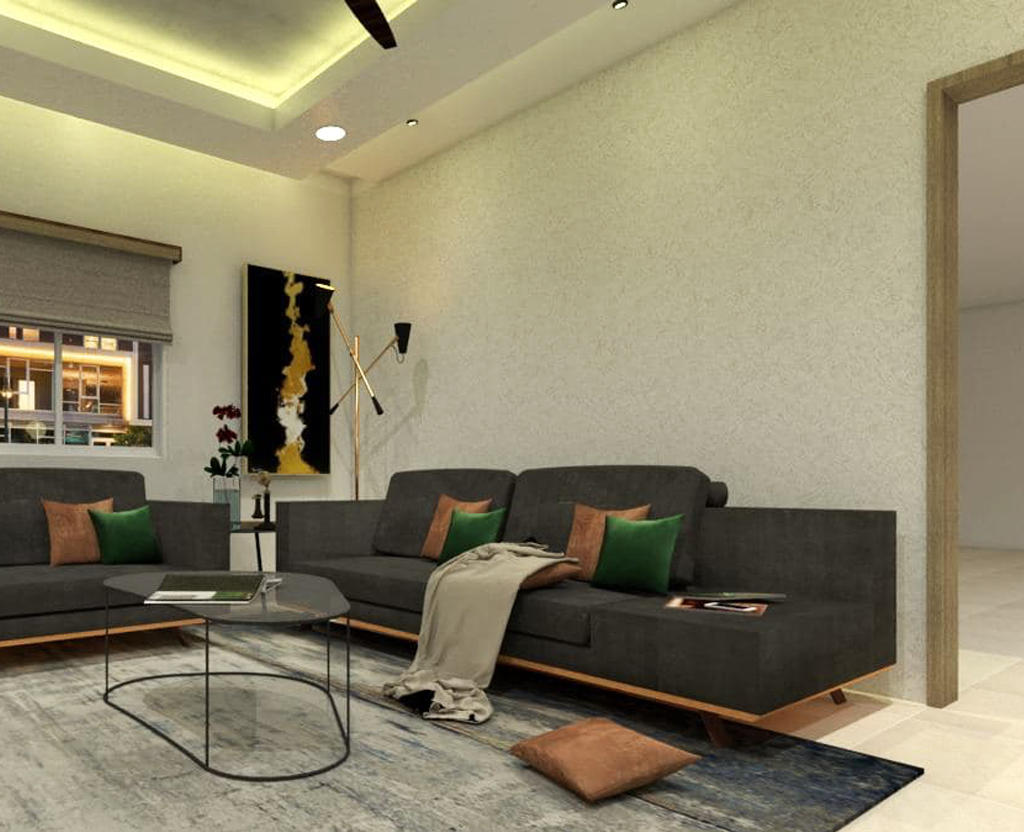
Traditional living room layouts have existed for decades, but modern times call for innovative and creative design ideas. Today, homeowners want something fresh and unique that reflects their personality and style. This blog explores the latest living room design trends that bid farewell to traditional layouts.  The Open Plan Living Room: The Future of Living   This design trend combines the innovative living room, dining room, and kitchen into one large, open space. The idea is to create a more friendly and spacious living environment for easy interaction between family members and guests. The open-plan living room is particularly popular in modern homes, as it creates a sleek, minimalist look that feels contemporary and stylish.  Minimalist Living Room Design  Less is More – Minimalism is a design trend that emphasises simplicity and functionality. In a minimalist living room, the focus is on creating a clean, uncluttered space that feels calm and serene. This often involves using a limited colour palette, simple furniture designs, and avoiding excessive decorative accents. The goal is to create a peaceful and relaxing space, focusing on essential elements that enhance the overall atmosphere.  Statement Walls: Creating a Focal Point in the Living Room   Statement walls add interest and personality to a living room by creating a focal point. This can be achieved by using bold wallpaper, painting one wall in a bright colour, or using striking artwork or decorative features. The statement wall draws the eye and creates a visual anchor for the room, helping to define the overall style and ambience.  Floor Seating Floor seating is a design trend that uses cushions, pouffes, and low-level seating options to create a relaxed and comfortable living space. This type of seating is often used in homes with a bohemian or eclectic style, as it creates a casual and informal atmosphere that feels welcoming and cosy.  Combining Textures and Patterns  Adding Depth and Interest to the Living Room – This design trend involves using a mix of different textures and patterns to create a visually interesting and dynamic living room. This can include using different fabrics, such as velvet, linen, and wool, or incorporating patterns like stripes, florals, and geometric shapes. The goal is to create a layered and rich space with various elements that enhance the overall aesthetic. Conclusion: Traditional living room designs are gradually becoming a thing of the past. Innovative and modern design ideas are taking centre stage, allowing homeowners to create unique living spaces that reflect their personalities and style. Top Living Room Interior Designing Trends in 2023

Goodbye, Traditional Layouts: Exploring Innovative Living Room Design Ideas Read More »

Timeless Bedroom Design Ideas: Creating a Space that Endures

 When designing a bedroom, creating a space that feels timeless is key. A timeless bedroom will always stay in style; you can enjoy it for years. But what exactly makes a bedroom design timeless? In this blog, we’ll explore some key elements of timeless bedroom design, drawing inspiration from some of the most beautiful bedrooms on Pinterest, Houzz, and Our Sleep Guide. Start with a neutral colour palette  One of the hallmarks of timeless design is a neutral colour palette. Neutral colours like white, cream, beige, and grey are classic, elegant, and versatile. They also provide a calming backdrop that allows other room elements to shine. In a timeless bedroom, you can incorporate colour through accents like pillows, throws, and artwork. Choose classic furniture  Choosing classic pieces that have stood the test of time is a wise choice when it comes to furniture. A four-poster bed, an antique dresser, or a mid-century modern nightstand are all great options. Look for pieces that are well-made and have a timeless style. Investing in quality furniture is worth it in the long run, as you won’t have to replace it every few years. Add texture and pattern  While a neutral colour palette and classic furniture are key elements of timeless bedroom design, adding texture and pattern gives the space interest and depth. Consider adding a plush rug, a cosy throw, or a set of textured curtains to your bedroom. You can also incorporate patterns through your bedding, whether a classic floral print or a modern geometric design. Layer lighting   Lighting is an important element of any bedroom, and in a timeless design, it’s important to have a variety of lighting sources. Start with central overhead light, then add task lighting like reading lamps on nightstands. You can add ambient lighting through floor lamps, wall sconces, or candles. Layering your lighting creates a warm, inviting atmosphere perfect for relaxing and unwinding. Incorporate natural elements  Bringing natural elements into your bedroom is a great way to create a timeless design that feels grounded and serene. Consider adding plants, flowers, or a vase of fresh-cut flowers to your space. You can also incorporate natural textures like wood, stone, or woven materials. A beautiful piece of driftwood or a framed botanical print can also add a touch of nature to your bedroom. By following these design principles, you can create a timeless bedroom you’ll love for years. Remember to start with a neutral colour palette, choose classic furniture, add texture and pattern, layer lighting, and incorporate natural elements. With a little creativity and inspiration from the beautiful bedrooms on Pinterest, Houzz, and Our Sleep Guide, you’ll have a space that endures. In conclusion, designing a timeless bedroom is about creating a calm, comfortable, and elegant space. You can create a space that will always stay in style by incorporating elements of classic design, like neutral colours, classic furniture, and natural materials. So start exploring the beautiful bedrooms on Pinterest, Houzz, and Our Sleep Guide, and get inspired to create a bedroom you’ll love for years. Bedroom Interior Design Trends 2023

Timeless Bedroom Design Ideas: Creating a Space that Endures Read More »

Feature Headboards: Adding Personality and Style to Your Bedroom Design

Bedroom design can significantly impact our lives, and feature headboards are an excellent way to add personality and style to your bedroom while enhancing your sleep experience. This blog will explore various feature headboard ideas to inspire you to create a unique and personalised bedroom design.  The Importance of Feature Headboards  Feature headboards are an essential element of bedroom design, as they add an aesthetic appeal to the room and serve practical purposes. They can provide support and comfort for reading or watching TV in bed and insulate against noise and drafts.  Choosing the Right Headboard  When selecting a feature headboard, there are several factors to consider. First, consider the size of your bed and bedroom. A larger headboard may overwhelm the space if you have a smaller room. Next, consider the style of your bedroom. A headboard should complement the overall aesthetic of the room. Additionally, consider the material of the headboard. Upholstered headboards are popular as they offer comfort and come in various materials and colours. Wooden headboards provide a classic look and feel and come in various finishes. Metal headboards are durable and come in a range of designs. Feature Headboard Ideas  Here are some feature headboard ideas to inspire you: Wall Art Headboard An excellent way to add personality and style to your bedroom is by using wall art as a headboard. This can be achieved by hanging a large artwork or a series of smaller pieces behind your bed. This adds visual interest and creates a focal point in the room. Upholstered Headboard Upholstered headboards are a popular choice as they provide both style and comfort. They come in various materials, such as velvet, linen, and leather, and can be customised with various colours and patterns. Wooden Headboard Wooden headboards provide a classic and timeless look to a bedroom. They come in various finishes, such as natural wood, painted or stained, and can be customised with intricate designs and carvings. Bookshelf Headboard Consider using a bookshelf as a headboard if you’re a book lover. This provides storage for your books and adds an element of cosiness to the room. Mirrored Headboard A mirrored headboard adds a touch of glamour to your bedroom. Mirrored headboards reflect light, making the room appear brighter and more spacious. Geometric Headboard A geometric headboard adds a modern and contemporary feel to a bedroom. It can be created using a series of shapes or patterns to form the headboard.  In conclusion, a feature headboard is an essential element of bedroom design that adds personality and style to the room while serving practical purposes. When choosing a headboard, consider the size of your bed and room, the style of your bedroom, and the material of the headboard. Whether you opt for an upholstered headboard, wooden headboard, or wall art headboard, numerous feature headboard ideas inspire you to create a unique and personalised bedroom design. Bedroom Interior Design Trends 2023

Feature Headboards: Adding Personality and Style to Your Bedroom Design Read More »

Elevate Your Bedroom Interior Design with Curved Furniture

When it comes to bedroom interior design, people often focus on the bed, lighting, and accessories. But have you considered incorporating curved furniture into your bedroom? Curved furniture can add a touch of elegance and sophistication to your space. In this blog post, we will explore some bedroom interior design ideas using curved furniture and how you can incorporate them into your space. Curved Platform Bed A curved platform bed is a perfect addition to a bedroom with a contemporary or modern design. This bed adds a unique touch to your space, making it more stylish and visually appealing. The curved platform bed is available in various materials, such as wood, metal, and upholstered fabric, making it easy to find one that suits your style. Curved Dresser A curved dresser can add a soft and elegant touch to a bedroom, creating a beautiful contrast to the straight lines of the bed and other furniture. This dresser also provides ample storage space for clothing, bedding, and other bedroom essentials. The curved dresser is available in various sizes, colours, and materials, making it easy to find one that fits your bedroom’s aesthetic. Curved Armchair A curved armchair is a great addition to any bedroom, providing a comfortable seating option and a touch of elegance. This type of chair can be used as a reading nook, a spot to put on shoes, or a place to relax and unwind. The curved armchair is available in various colours, fabrics, and styles, making it easy to find one that matches your bedroom’s interior design. Curved Nightstand A curved nightstand can add a soft touch to a bedroom, contrasting the straight lines of the bed and other furniture. This type of nightstand is available in various sizes and materials, making it easy to find one that suits your bedroom’s interior design. A curved nightstand also provides additional storage space for bedroom essentials, such as books, glasses, and electronics. Curved Bench A curved bench is a stylish and practical addition to a bedroom, providing a seating option and a touch of elegance. This type of bench is available in various sizes, colours, and materials, making it easy to find one that suits your style. A curved bench can be used at the end of the bed, creating a beautiful focal point in the room. In conclusion, incorporating curved furniture in your bedroom can bring a unique touch of sophistication and refinement to your overall interior design. Whether you choose a curved platform bed, dresser, armchair, nightstand, or bench, incorporating curved furniture into your bedroom interior design can elevate your space to a new level of style and sophistication. Bedroom Interior Design Trends 2023

Elevate Your Bedroom Interior Design with Curved Furniture Read More »

A comfortable bedroom with a yellow bed and neatly arranged bedding

Transform Your Bedroom with Unique Wall Decor Ideas

Bedroom Wall Decor Ideas: Stylish Ways to Transform Your Bedroom Bedroom wall decor can change the character of a room without requiring a complete redesign. The right combination of wall colour, texture, wood, artwork, lighting and decorative details can turn an ordinary bedroom wall into a feature that feels intentional and personal. The key is not to fill every wall with decoration. A well-designed bedroom usually benefits from one or two carefully planned focal points, supported by practical furniture, storage and lighting. Here are some bedroom wall decor ideas to consider when planning a modern Indian bedroom.   1. Create a Feature Wall Behind the Bed The wall behind the bed is usually the natural focal point of a bedroom. Instead of treating it as an empty background, you can use it to establish the visual character of the room. A feature wall can be created with: Textured wall finishes Wallpaper Wooden panels Upholstered panels Fluted or grooved detailing Decorative paint Stone-look surfaces Wall moulding Artwork and framed pieces The important part is to make the wall work with the bed, bedside tables, ceiling lighting and other furniture. A feature wall should feel like part of the bedroom design rather than an isolated decorative element. 2. Use Wall Decor Wood for Warmth and Texture Wood is one of the most versatile choices for bedroom wall decor. It introduces warmth and texture while working with both contemporary and more traditional interiors. Wall decor wood can take different forms depending on the overall design: Vertical wooden slats Wood-look panels Veneer-finished panels Fluted wall detailing Wood and upholstered combinations Wooden frames around a headboard Floating wooden shelves Wood does not necessarily need to cover the entire wall. A smaller section behind the bed can be enough to create contrast against a neutral wall. The finish also matters. A darker wood tone can create a richer, more intimate bedroom, while lighter wood can keep the room feeling softer and more relaxed. 3. Combine the Headboard with the Wall Design A bedroom wall and headboard do not need to be designed separately. One effective approach is to create a continuous composition where the headboard, wall panel and lighting work together. For example, an upholstered headboard can sit against a textured wall, while vertical panels or warm lighting extend the visual line around it. This approach is particularly useful in master bedrooms where the bed wall needs to become the main design feature. Instead of adding several unrelated bedroom wall decoration items, focus on creating one composition with a clear visual hierarchy. 4. Add Bedroom Wall Decoration Items Carefully Decorative items can personalise a bedroom, but more is not necessarily better. Some useful bedroom wall decoration items include: Framed artwork Mirrors Decorative panels Wall-mounted lamps Small shelves Photographs Sculptural wall pieces Woven or textile wall art Decorative objects Personal travel photographs Choose items according to the size and style of the room. For example, a large bedroom wall may accommodate a larger artwork or a balanced arrangement of multiple frames. In a smaller bedroom, one statement piece may work better than several small objects competing for attention. 5. Try a Gallery Wall A gallery wall can bring personality to a bedroom without requiring a permanent architectural feature. You can combine photographs, artwork, illustrations or prints using frames of similar or complementary finishes. For a more organised look, keep the frame arrangement relatively symmetrical. For a relaxed bedroom, different frame sizes can create a more collected appearance. Before fixing anything to the wall, plan the arrangement first. The size of the artwork should relate to the bed, bedside furniture and available wall area. 6. Use Wallpaper for a Strong Bedroom Wall Design Wallpaper remains a practical way to introduce pattern, colour or texture without constructing a full feature wall. It can be used: Behind the bed Across one accent wall Inside a wall niche Around a dressing area On a smaller architectural section For bedrooms, the pattern should support the atmosphere you want to create. Subtle textures and muted patterns can make the room feel calm, while stronger geometric or botanical patterns can become the main visual feature. If the bedroom already contains detailed furniture or a prominent wardrobe, a simpler wallpaper may create a better balance. 7. Consider Decorative Wall Panels Wall panels can give a bedroom a more architectural appearance than paint or artwork alone. Depending on the design, panels can be used to introduce: Vertical lines Geometric patterns Fluted textures Symmetry Depth Material contrast Panels can also be combined with lighting. Warm concealed lighting around a panelled bed wall can create depth in the evening without relying only on the main ceiling light. The choice should depend on the bedroom’s proportions, furniture and overall interior style rather than following a trend simply because it is popular. 8. Plan the Wardrobe Design for Bedroom Alongside the Wall Wall decor should not be planned independently from storage. The wardrobe design for bedroom can occupy a significant portion of the room, particularly in apartments where storage needs to be planned carefully. Its colour, shutter finish, handles and vertical lines can therefore influence the appearance of the surrounding walls. For example, a bedroom with a detailed wooden bed wall may work better with a relatively restrained wardrobe finish. Alternatively, a wardrobe with a wood-look finish can be visually connected to wooden wall detailing elsewhere in the room. The goal is to make the storage feel integrated into the bedroom rather than like a separate block of furniture. If you are planning wardrobe storage in more detail, our guide to bedroom wardrobe planning covers the planning considerations behind bedroom storage. 9. Use Mirrors to Add Light and Visual Depth Mirrors can be both decorative and functional. A well-positioned mirror can reflect natural or artificial light and make a bedroom feel more open. It can also become part of a dressing area or be incorporated into custom furniture. Rather than adding mirrors randomly, consider what they will reflect. A

Transform Your Bedroom with Unique Wall Decor Ideas Read More »

Transform Your Bedroom with These Modern Lighting Ideas

Lighting is one of the most important aspects of any interior design, especially in the bedroom. With the right lighting, you can create a warm and inviting atmosphere that makes your bedroom comfortable to relax and unwind. This article will explore modern bedroom lighting ideas to help you transform your space into a peaceful haven. Layered Lighting Layered lighting is one of the most effective ways to create a modern bedroom lighting scheme. This involves combining different types of lighting, such as ambient, task, and accent lighting, to create a balanced and functional space. Ambient lighting provides general illumination, task lighting is used for specific activities like reading or working, and accent lighting is used to highlight specific features or areas of the room. To create a layered lighting scheme, start with a central pendant light or chandelier for ambient lighting. Then, add table lamps or wall sconces for task lighting, and use spotlights or track lighting to highlight artwork or other features of the room. By combining these different types of lighting, you can create a cosy and functional space that meets all your needs. LED Lights LED lights have become increasingly popular in recent years, and for a good reason. They are energy-efficient, long-lasting, and offer various colour options. LED lights are versatile and can be used in various ways to create a modern bedroom lighting scheme. For example, you can install LED strip lights behind your headboard to create a soft and subtle glow. You can also use LED bulbs in your table lamps and fixtures to create a warm and inviting atmosphere. And if you want to add a pop of colour to your bedroom, you can use coloured LED lights to create a vibrant and playful space.  Pendant Lights Pendant lights are a great way to add a modern touch to your bedroom lighting scheme. They come in various styles, from sleek and minimalist to bold and colourful, so you’re sure to find something that suits your taste. Pendant lights are versatile and can be used in various ways to create different effects. For example, you can use a cluster of pendant lights above your bed to create a dramatic focal point. Or you can use a single pendant light above your nightstand to create a cosy and intimate reading nook. The possibilities are endless!  Dimmer Switches Dimmer switches are a simple but effective way to control the brightness of your bedroom lighting. They allow you to adjust the intensity of your lights depending on your mood and the time of day. For example, you can turn down the lights in the evening to create a relaxing atmosphere or turn them up in the morning to help you wake up. Dimmer switches are also great for creating a romantic atmosphere. By dimming the lights, you can create a soft, intimate space perfect for snuggling up with your partner. Wall Sconces Wall sconces are a great way to add a touch of elegance and sophistication to your bedroom lighting scheme. They come in various styles, from traditional to modern, and can be used in various ways to create different effects. For example, you can use wall sconces to create a soft, subtle glow perfect for reading or relaxing. Or you can use them to highlight specific features of your room, such as artwork or architectural details. Wall sconces are versatile and can be used in various locations, such as above your bed, beside your dresser, or even in your closet. In conclusion, lighting is a crucial aspect of modern bedroom design. A well-designed lighting scheme can create a warm, inviting atmosphere that promotes relaxation and sleep. You can transform your bedroom into a cosy and functional space that meets all your needs by incorporating layered lighting, LED lights, pendant lights, dimmer switches, and wall sconces. Whether you want to create a romantic atmosphere, a cosy reading nook, or a vibrant and playful space, many modern bedroom lighting ideas exist. So, experiment with different lighting options and find the perfect combination that works for you! Bedroom Interior Design Trends 2023

Transform Your Bedroom with These Modern Lighting Ideas Read More »

How to Bring the Outdoors Inside: Tips for Creating Earthy Bedrooms with Natural Colours and Textures

As we become increasingly disconnected from nature in our daily lives, there is a growing desire to bring elements of the outdoors inside. One area where this trend is particularly popular is in interior design, with many people seeking to create earthy, natural-looking bedrooms that promote a sense of calm and relaxation. In this blog post, we’ll explore tips and tricks for achieving this look in your home. Choose Natural Materials and Textures The materials and textures you choose are key when creating an earthy bedroom. Opt for natural materials like wood, stone, and linen, which will help to bring a sense of the outdoors into your space. These materials have a timeless appeal and will never go out of style, making them a great investment for your home. Regarding textures, try incorporating various finishes, such as rough-hewn wood, smooth stone, and soft, tactile fabrics like wool and cotton. These textures will add depth and interest to your bedroom and help create a warm and inviting atmosphere. Embrace Earthy Colours Earthy bedrooms are all about bringing the colours of the natural world into your space. Think of shades of green, brown, beige, and grey, which will create a calming and soothing environment. These colours can be used in various ways, from wall paint to bedding and accessories. When choosing colours for your bedroom, try to stick to a muted, understated palette. This will help create a sense of serenity and relaxation, exactly what you want in a bedroom. Avoid bright, bold colours that can be jarring and disruptive to your sleep. Add Plants and Greenery Adding plants and greenery to your bedroom is one of the easiest ways to bring the outdoors inside. Not only do plants look great, but they also help to purify the air and promote a sense of well-being. Choose plants well-suited to indoor environments, such as snake plants, pothos, and ZZ plants. If you don’t have a green thumb, don’t worry! There are plenty of low-maintenance plants that require very little care. You can incorporate other natural elements like twigs, branches, and pinecones into your decor for a rustic, woodsy feel. Incorporate Natural Light Natural light is essential for creating an earthy bedroom that feels bright and airy. Maximise the amount of natural light in your space by choosing light, sheer curtains and keeping your windows unobstructed. This will help to create a sense of openness and connection to the outdoors. Consider adding a skylight or installing a larger window if you have a particularly dark bedroom. This will bring in more natural light and help create a more dramatic and interesting architectural feature in your space. Choose Simple, Rustic Furniture When it comes to furnishing your earthy bedroom, simplicity is key. Choose furniture with clean lines and a rustic, natural feel. Opt for wood finishes that showcase the wood’s natural grain, and avoid anything too shiny or polished. Bed frames with a simple, minimalist design are a great choice for an earthy bedroom, as they help to create a sense of calm and relaxation. Look for well-crafted pieces built to last rather than trendy items that will quickly go out of style. In Conclusion Creating an earthy bedroom that promotes relaxation and connection to the outdoors is about embracing natural materials, textures, and colours. By incorporating plants, natural light, and simple, rustic furniture, you can create a stylish and inviting space. Whether you’re starting Bedroom Interior Design Trends 2023

How to Bring the Outdoors Inside: Tips for Creating Earthy Bedrooms with Natural Colours and Textures Read More »

modern Hyderabad home design

10 Elements of Modern Hyderabad Home Design

Want to add your unique flair to the famous interior design trends in Hyderabad homes? We’ll demonstrate how! With native Deccan components and Arab, Turkish, and Persian influences, Hyderabad proudly combines historic and modern architectural and interior design styles. As a significant IT hub nowadays, Hyderabad’s architecture and interior design lean more toward contemporary and minimalistic components, reflecting the residents’ preferences. Large modern residences are frequently furnished with old items to tie the place to the family’s traditions. Here is a collection of some of the most famous interior design concepts for your Hyderabad home. Open Plan Layout One of the basic design elements of a modern home is an open floor plan. Modern home design advocates creating an open multipurpose space such as a family room as a social living space rather than dividing it into separate sections with walls. With an open-plan design, you can use elevation to define the space’s purpose clearly. A thoughtfully arranged furniture layout and a clutter-free environment will highlight the home’s feeling of openness and space. Geometrical Designs The key to contemporary home design is to embrace simplicity. To make basic geometric shapes, design a space using straight lines. Place the furniture to achieve a balance of vertical and horizontal clean lines. The deliberate interplay of lines and geometric shapes will produce an elegant and rich design. Natural Lighting Integrating your home with the neighbourhood is crucial while using a modern house design. Large windows, skylights, or glass walls will allow natural light to stream into your home, enhancing its contemporary appearance. In addition to offering views of the outdoors, the huge windows will link the house to its surroundings. Minimalist ornamentation Modern home architecture typically avoids ornate design elements like arches, embellishments, and extraneous elements. Many famous interior designers place emphasis on the overall space’s lines and contours with simple, clean elements and little decoration. Another option is to add a purposely elegant decorative feature that improves the mood of the spaces. Lightweight furniture and materials Using lightweight materials and furnishings is another characteristic of modern home design. Mix natural materials like wood and leather with industrial components like concrete, glass, and steel. Choose furniture with slender bases and exposed legs. This will add effortless aesthetics to the area and improve the home’s overall appearance. Neutral colour scheme To give your home a modern appearance, neutral colour schemes are a great choice. White, black, grey, and the natural earth tones of the materials used in the area are neutral colours that will enhance and enhance the visual appeal of the house. The other components of the modern house design will mix with the neutral colour palette to create a unified aesthetic. Bare Flooring The bare floor always stands out when it comes to contemporary house design. A smooth, unadorned floor always has aspects that stick out. For instance, flooring with textures like wood, tile, or vinyl is a great choice. The home’s bare floors offer a great visual space and a clean, contemporary feel. Decorative Metal Components  Stainless steel, metal, nickel, and chrome are used in contemporary home design. Their smooth and tidy finish enhances the elegance of contemporary decor. These metal accents give the room a lovely, contemporary appearance. Accentuation of Texture In general, contemporary furniture reflects itself well regarding texture and line design. This is accomplished without the use of big, bold print. For instance, using linen wallpapers might draw attention to the clean, straight lines of a home with a contemporary style. Form over Function Many famous interior designers were more concerned with the function of space than its aesthetics. But, in the era of current design, this is not the case. Any home with a contemporary theme must have a form that is as useful as one of its core design components. This particular feature sets contemporary interiors apart from other designs.

10 Elements of Modern Hyderabad Home Design Read More »

Home Interior Design Ideas in 2023  

Introduction: Our living areas need to be upgraded as we start a new year. The year 2023 promises to introduce innovative interior design ideas to make your home a lovely and efficient living space, from modern bedroom retreats to lavish home theatres. We’ll look at 11 original concepts in this article for every room in your house. Bedroom Retreats:   Combining the appropriate textures, lighting, and colours allows you to transform your bedroom to feel like a peaceful retreat. To add warmth and personality, choose a neutral colour scheme with colourful accents and add natural elements like timber and plants. Make the room feel better and more comfortable by adding a statement headboard or a plush rug for a hint of luxury.   Living Room Luxury:   Layered lighting, warm furniture, and luxurious textures can transform your Living Room into a luxury retreat. To make the space feel more individualised, choose a colour scheme that reflects your style and add statement pieces like a vibrant rug or an unusual coffee table. Combine soft throws and pillows to create a welcoming ambience, and don’t forget to add plenty of storage for books, magazines, and other items. Elegant Dining Spaces:   For an elegant dining space, opt for a round or oval-shaped table that encourages conversation and socialising. Choose comfortable seating, and add a statement chandelier overhead to create a sense of luxury. Incorporate bold wallpaper or velvet curtains to add a touch of drama, and don’t forget to add a stylish bar cart for easy entertaining. Balcony Interior Design Ideas:   You can make the most of your outdoor area by building a stylish balcony. Choose plush furniture and add many plants and foliage to create a natural oasis. Don’t forget to add soothing lighting for those warm summer evenings. Consider adding a statement rug or a piece of outdoor art to add personality.   Modern Kitchens:   Create a modern and functional kitchen with clean lines and plenty of storage. Opt for energy-efficient appliances and intelligent technology, and incorporate pops of colour to create a welcoming and inviting space. Add a statement backsplash or a unique countertop material to add personality, and don’t forget to add plenty of lighting to make the area feel bright and airy.   Spa-Like Bathrooms:   Create a spa-like oasis in your bathroom with natural stone surfaces, a large soaking tub, and plenty of natural light for a neutral colour scheme with pops of green or blue to create a calming atmosphere. Incorporate intelligent lighting to make the space feel more luxurious. Add plenty of storage for towels and other items, and don’t forget to add a few candles or diffusers to create a relaxing ambience. Statement TV Units: Make your TV unit the focal point of your living space with a custom-built media centre for a statement colour or material like wood or marble to make the unit feel more personal and unique. Incorporate storage solutions for DVDs, books, and other items, and consider adding a built-in sound system for a more immersive viewing experience. Dedicated Home Theatres:   For a fully immersive movie experience, design a dedicated home theatre with inviting seating, sound walls, and a large screen. For the best in-home amusement, add custom lighting and soundproofing, and choose statement colour schemes like movie posters or art to give the room a more intimate feel. Organised Storage Rooms:   Incorporate intelligent solutions into your storage room to keep it organised and clutter-free. Consider custom-built shelving and storage units to maximise space and keep everything in place. Opt for stylish storage containers and bins to keep items hidden, and remember to label everything for easy access and organisation. Home Gym Inspirations:   Create an inspiring home gym with bright colours, motivational posters, and ample space for exercise equipment. Consider adding a mirrored wall to create the illusion of a larger area, and add plenty of lighting to keep the room bright and energising. Incorporate a sound system for music or podcasts, and don’t forget to add storage for towels and other gym equipment. Productive Home Offices:   Create a productive and inspiring home office with a comfortable desk and chair, ample storage, and plenty of natural light. Consider adding a statement piece like a colourful rug or artwork to add personality to the space. Opt for functional decors like bulletin boards or whiteboards to track important tasks and reminders. Add a few plants to create a more inviting atmosphere, and don’t forget to incorporate task lighting to reduce eye strain.  Conclusion:  Incorporating these 11 interior design ideas into your home in 2023 will elevate your living spaces to new heights. Whether creating a cosy bedroom retreat or a productive home office, these design ideas will help you create a beautiful and functional space that reflects your style and enhances your daily life. So, get inspired and start building your dream home today!  

Home Interior Design Ideas in 2023   Read More »