
Eco-Friendly Contemporary Interior Design Tips
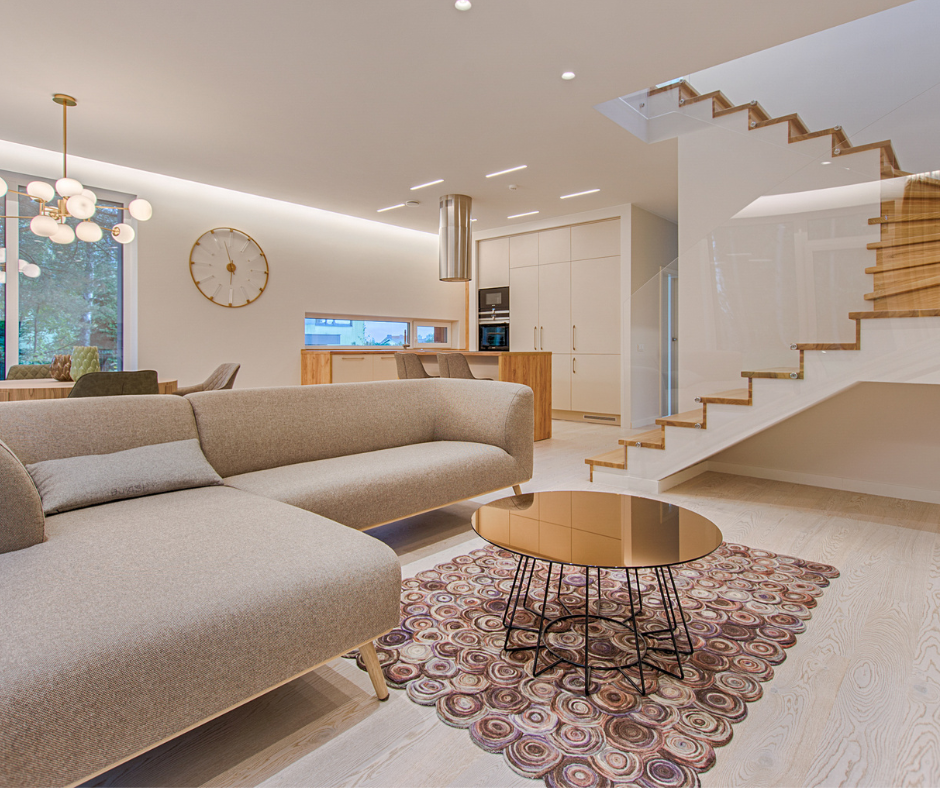
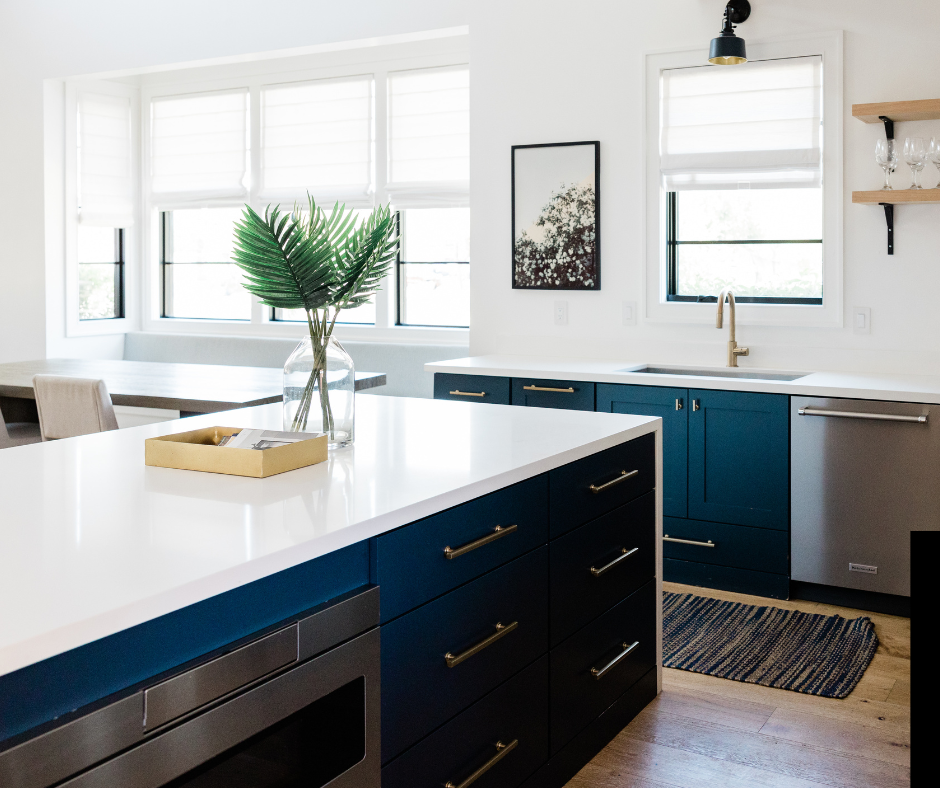
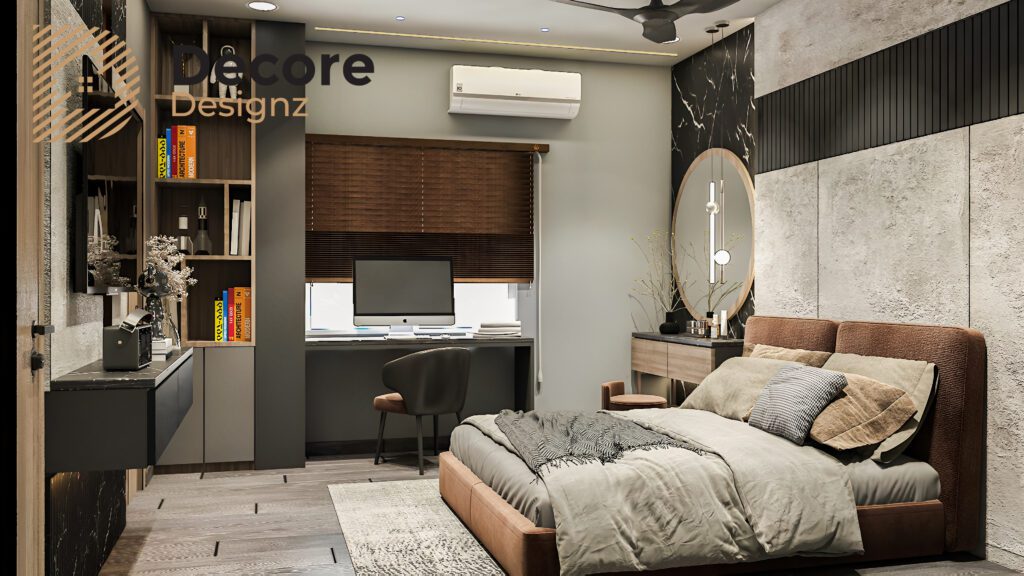
Eco-Friendly Home Designs: Sustainable Interior Design Tips for Hyderabad Eco-friendly home design is not about making a home look rustic or filling every room with plants. It is about making better decisions about light, ventilation, materials, furniture, energy use and long-term maintenance. For homes in Hyderabad, a practical approach to eco-friendly interior design can mean using more daylight, choosing durable and lower-emission finishes, reducing unnecessary material waste, reusing what still works and planning the home so it remains comfortable for years. What Is Eco-Friendly Home Design? Eco-friendly home design focuses on reducing unnecessary resource use while creating a comfortable and functional home. That can involve: Making better use of natural light and ventilation Choosing durable materials instead of replacing finishes frequently Selecting lower-emission paints, adhesives and finishes where appropriate Reusing or refurbishing furniture Using energy-efficient lighting and appliances Bringing natural elements into the home Planning furniture and storage carefully Considering maintenance and useful life before choosing materials Sustainable interior design is therefore less about one “green” product and more about how the whole home is planned. 1. Start With Natural Light and Ventilation One of the simplest eco-friendly interior design tips is to make better use of what the home already receives: daylight and fresh air. Before adding more artificial lighting, look at how sunlight enters each room. Furniture, partitions, curtains and darker finishes can sometimes reduce useful daylight. In a Hyderabad home, window treatments can also help manage glare and heat. Curtains, blinds and shading should be selected according to the room’s orientation rather than treating every window the same way. Where the layout allows it, maintain useful ventilation paths instead of blocking windows with tall storage or unnecessary partitions. The goal is simple: design the home so it works with its surroundings. 2. Choose Materials for Durability, Not Just the “Eco” Label Sustainable interior design is often reduced to a list of supposedly green materials. In practice, the better question is: how well will this material perform in this particular home? A durable, easy-to-maintain material can be a more sensible choice than a fashionable product that needs frequent replacement. When comparing materials, consider: Lifespan Maintenance Moisture exposure Cleaning requirements Repairability Material and manufacturer information Where and how the product will actually be used Wood, stone, metal, laminates and other finishes all have different practical and environmental trade-offs. At Decore Designz, material selection is considered alongside appearance, use, maintenance and the rest of the interior rather than as a separate design decision. 3. Pay Attention to Paints, Adhesives and Finishes A sustainable home should also be comfortable to live in. Paints, varnishes, adhesives and some building and furnishing products can release volatile organic compounds, or VOCs, into indoor air. Where suitable for the application, look for credible low-VOC or low-emission options and check the manufacturer’s technical information instead of relying only on an “eco-friendly” label. Good ventilation during interior work is also important. Material selection and site practices should work together. 4. Reuse What Is Still Useful One of the most practical sustainable interior design ideas is also one of the easiest to overlook: do not replace something simply because you are redesigning the room. A good dining table, chair, cabinet or piece of décor may still have years of useful life. Depending on its condition, existing furniture can sometimes be: Refinished Repaired Reupholstered Relocated Modified to suit a new layout This can also make a home feel more personal. A completely new interior does not need to mean throwing away everything that came before it. 5. Make Lighting Energy-Efficient and Purposeful Energy-efficient interior design is not only about replacing bulbs. Lighting should first be planned around how the room is actually used. Use daylight wherever possible, then layer artificial lighting for different needs: General lighting for everyday use Task lighting for kitchens, study areas and workspaces Accent lighting only where it adds real value Efficient LED lighting Separate controls where different areas are used at different times This avoids lighting an entire room when only one part of it is being used. The same principle applies to appliances and home systems: choose efficient products appropriate to the home’s actual requirements. 6. Bring Nature Into the Home Through Biophilic Design Biophilic interior design in Hyderabad can be approached without turning a home into an indoor garden. Create a stronger connection with nature through: Indoor plants suited to the available light Natural textures Wood or stone where appropriate Earth-inspired colours Daylight Views toward balconies or outdoor spaces Plants should suit the actual conditions of the room. A plant that cannot survive the available light or requires constant care is not a practical sustainable choice. Biophilic design works best when it becomes part of everyday living rather than a decorative theme. 7. Plan Furniture and Storage Before Buying More Poor planning can create waste. When storage is not planned properly, homeowners often end up buying additional furniture later. Before designing wardrobes and cabinets, consider what the family actually needs to store, how often those items are used and where they should be accessible. Custom furniture can be useful when it solves a specific planning problem. But more cabinetry does not automatically mean better design. A well-planned home uses available space efficiently without filling every wall. 8. Think About Maintenance and Long-Term Use A material is not sustainable simply because it is natural. Explore Our Projects If a finish needs frequent replacement, difficult cleaning or specialist maintenance, its practical value may be lower for a busy household. For major interior decisions, ask: Will this still work well five or ten years from now? That question can change choices around flooring, upholstery, kitchen finishes, wardrobes, lighting and furniture. Sustainable Interior Design Trends Worth Considering in 2026 Useful sustainable interior design trends are moving beyond obvious “green” décor. Material-conscious design More attention to durability, sourcing, material composition and long-term performance. Warm minimalism Fewer unnecessary elements, simpler layouts and natural-looking textures that make spaces easier to maintain. Energy-aware lighting Better use of daylight, efficient
Eco-Friendly Contemporary Interior Design Tips Read More »