
Decore Designz

Interior

luxury interior designers in hyderabad

5 Essential Elements of Luxury Interior Design

Luxury interior designers in Hyderabad are highly sought-after due to the popularity of the modern luxury interior design style. This interior design style has gained popularity as it makes homeowners feel like royalty. However, many homeowners in Hyderabad may be hesitant to engage luxury interior designers due to the misconception that it will be costly. In this article, we will discuss the key elements of modern luxury interior design style and how luxury interior designers in Hyderabad can help achieve it without breaking the bank. Fixtures and Fittings  Luxury interior design is incomplete without the proper fixtures and fittings. They can transform any area into something luxurious at a low cost and with little effort. Essentially, upcycling old furniture with new fixtures can give your room new life. To get the most out of them, consider the function and aesthetic of your room before you shop so that you can create a coherent look that is also functional. With the correct fixtures and fittings, you can be confident that you are on the right track to having your dream luxury environment. As a result, after you’ve selected what you want, always buy the best you can afford; budgets are your best friend.  High-Quality Surfaces  One of the most common blunders is selecting a material only on its appearance. These days, marketers have realised that people prefer aesthetics over quality. As a result, they produce inferior goods that are visually appealing. When you place them in your location, they will transform it into a charming work of art, but their beauty will be fleeting. They will quickly wear off, forcing you to spend more money on costly repairs and replacements. This is especially important at the start of a project, whether you are stripping everything back or building a new space from scratch. As a general rule, never pick beauty before quality. It is simple to create an amazing space with high-quality surfaces. For example, replace the inexpensive carpet on the floor with wood flooring. Furthermore, you may already have excellent floorboards under the carpet that may simply be refinished, avoiding the need to purchase new ones. Replace worn-out furniture with high-quality seat covers. Replace old cushions and throw pillows with new ones, and sand or paint old wooden flooring to breathe fresh life into them. Theme and Coordination  Theme and coordination are also important aspects of interior design. The appropriate theme and coordination of numerous parts creates a fascinating impression while also adding depth and cohesiveness. Consider how you can combine them not only in your living room, but throughout your home. In fact, if you want to maximise the impact of your interior design efforts, try having a uniform look in your home rather than clearly themed sections. Lightings For the optimal house interior design in modern opulent homes, the proper lighting must be used. Choose sleek and simple chandeliers or drop pendants, and then finish the appearance with cove and pin lights for a subtle yet dramatic sense, as well as to create a mood by lighting up certain portions of the room. Avoid the ordinary lights seen in favour of unique and intriguing light fixtures for an exquisite appearance. Warm lights are frequently employed in modern luxury interior design to generate a homely and refined vibe. Decorative Items Finally, complete your modern luxurious home by accessorising with minimalistic flower vases, appealing display books, or even modern artworks.  Present your paintings or prints in soft neutral or gold frames, or utilise decorative things such as polished pebbles, miniature figurines, and potted plants with small subtle leaves. Conclusion  Luxury interior designers in Hyderabad can help homeowners achieve the modern luxury interior design style by incorporating the above 5 elements. This opulent and grand interior design style features a harmonious blend of luxurious materials, intricate details, and sophisticated finishes. By engaging the expertise of luxury interior designers in Hyderabad, homeowners can elevate their living spaces to a level of grandeur and sophistication that they may have thought was unattainable.

5 Essential Elements of Luxury Interior Design Read More »

luxury design interior

Putting the Final Touches on Your Luxury Home: The Art of Accessorizing

Adding luxury interior design accents to your home is like putting on the perfect jewelry or cufflinks to complete a look. The success of any design project lies in the details, and accessorizing your luxury home is an art form that requires careful planning and precise execution. It’s important to add decorative elements that reflect your personality and design style, and take your home from lovely to lavishly extraordinary. Working with the best interior designers in Hyderabad can help you create a cohesive and personalized design plan that includes those perfect finishing touches. Bring Nature Indoors  Incorporating natural luxury interior design accents is an effective way to add texture, color, and a sense of natural beauty to your home’s interior. You can choose between real or artificial plants and flowers to infuse a touch of the outdoors into your living space. Adding an indoor plant on a bookshelf or windowsill or placing a small tree in a room’s corner can instantly enhance the visual appeal of your home, irrespective of your decorating style. A Pop of Colour Goes a Long Way  To elevate your luxury interior design, adding a pop of color to any room is essential. However, before selecting a color to incorporate, it’s crucial to consider how it will affect the room’s ambiance. Bright colors can give a cheerful and upbeat feel, whereas darker shades can add warmth and sophistication, owing to their “visual weight” in terms of design. If your home features a neutral color scheme, choose a color you love and incorporate luxury interior design accents of that color to showcase your design preferences and prevent your space from becoming dull or lifeless. Partnering with the best interior designers in Hyderabad can help you create a cohesive design plan that incorporates the perfect balance of color and neutrals to bring your vision to life. Make it Personal  Your living area will feel more like a home including personal touches in the decor. You can add a little bit of yourself to each area in your house in a variety of other ways if covering your walls with images of your loved ones isn’t your thing. A great example of a personalized luxury interior design accent is a souvenir. You can decorate a space with unique artwork from your portfolio, such as paintings, sculptures, pillows, and coffee table books. These are great discussion starters that can help you and your loved ones recall memorable trip experiences.  Texturize Your Interior  To give a room depth and substance, it is crucial to include a variety of textures when selecting interior design accents for your home. Texture doesn’t always refer to how something feels to the touch. It also describes the way something is thought to feel. Different textures in an area give it more visual weight, which attracts the eye. When working with a monochromatic color scheme, texture is especially crucial. Smooth cotton couches shouldn’t be paired with smooth cotton cushions of the same hue. To establish a more aesthetically appealing balance in design, you should take guidance of the best interior designers in Hyderabad to add that lavish touch to your house. Conclusion Adding finishing touches to your luxury home can elevate it to the next level and create a personalized space that is both beautiful and welcoming. If you’re not sure where to start with adding those finishing touches to your luxury home, consider working with one of the best interior designer companies in Hyderabad. A professional interior designer can help you create a cohesive design plan that incorporates your personal style help you source high-quality materials and statement pieces that will stand the test of time and create a truly luxurious atmosphere in your home.

Putting the Final Touches on Your Luxury Home: The Art of Accessorizing Read More »

famous interior designers in hyderabad

The Grace of Symmetry in the Interior Design of a Luxurious House

Symmetrical Interior Design: 7 Ways to Create a Balanced Home At a glance What is symmetrical interior design? It is an approach that arranges furniture, lighting, colours or architectural details around a balanced visual composition, often using a central point or axis. Where does it work best? Living rooms, bedrooms, dining areas, entrance foyers and feature walls. Does symmetry mean everything must match? No. A room can feel balanced without using identical furniture or decor on both sides. What matters most? Proportion, spacing, circulation, lighting and how the room is used every day. Symmetrical interior design creates a sense of order by arranging elements so that the two sides of a space feel visually balanced. It can make a luxury living room feel composed, give a bedroom a calmer appearance and bring structure to a feature wall. The key is to balance the room without making it feel repetitive or difficult to use. At Decore Designz Studio, we approach interior design by considering how people live in their homes alongside the visual result. Symmetry is useful when it supports that goal—not when matching everything becomes more important than comfort or function. What Is Symmetry in Interior Design? Symmetry in interior design means arranging visual elements in a balanced relationship, usually around a central point. For example, a bed positioned in the centre of a wall, with matching bedside tables and wall lights on either side, creates a symmetrical composition. Similarly, a television placed in the middle of a feature wall with balanced cabinetry or decorative elements can make a living room feel organised. There are two important distinctions: Formal symmetry: Both sides use matching or nearly identical elements. Visual balance: Different elements are arranged to create a similar sense of weight and proportion without being identical. Formal symmetry is often associated with traditional and luxurious interiors. Visual balance offers more flexibility for contemporary homes, where furniture, storage and individual preferences may differ. 7 Symmetrical Interior Design Ideas for a Balanced Home 1. Centre the Living Room Around a Clear Focal Point A fireplace, television wall, artwork or architectural feature can provide the central axis for a symmetrical living room. Arrange the main seating around that focal point. Matching side tables, balanced wall lighting or similarly sized decorative objects can reinforce the composition. However, identical furniture is not always necessary. Two different armchairs can still create balance if their scale, colour and visual weight work together. Practical tip: Check the walking routes between the sofa, coffee table and other furniture before finalising the layout. A perfectly symmetrical arrangement that restricts movement is a poor design decision. 2. Create a Balanced Bedroom Around the Bed The bed naturally becomes the focal point in many bedrooms, making it a useful starting point for symmetrical interior design. A balanced arrangement may include: Two bedside tables of similar proportions. Matching or visually coordinated bedside lights. A centred headboard or feature wall. Consistent spacing on either side of the bed. Balanced artwork or wall panels above the headboard. In a luxury bedroom, symmetry can help create a calm and considered appearance without requiring elaborate decoration. The layout must still respond to the room’s dimensions. If a wardrobe, window or doorway restricts one side, forcing identical bedside furniture into the space may reduce usability. Adjust the composition to suit the actual room rather than copying a reference image. 3. Use Wall Panelling to Establish Visual Order Wall panelling is an effective way to introduce symmetry because it creates visible divisions and relationships across a wall. For example, a bedroom headboard wall can use evenly proportioned panels around the bed. In a living room, a television feature wall can use balanced vertical panels or cabinetry to frame the central display. The panel sizes should relate to the wall’s width, ceiling height and furniture below. Too many narrow panels can make a wall look busy, while oversized panels may overwhelm a smaller room. Plan electrical points, switches, television connections and cabinet access before installation. Decorative alignment should not create avoidable problems during execution. 4. Balance Lighting on Both Sides Lighting can strengthen symmetry without adding more furniture or decorative objects. Consider a pair of pendant lights above a dining table, matching bedside wall lights or two lamps positioned at opposite ends of a console. The goal is to create a deliberate relationship between the light sources and the furniture they serve. However, balanced appearance does not mean identical lighting is appropriate everywhere. A reading corner may need a directional task light, while a dining area may benefit from a central pendant. Functional requirements should determine the lighting specification. For a cohesive result, coordinate the colour temperature, light distribution and fixture scale with the materials and finishes used throughout the room. 5. Introduce Symmetry Through Mirrors and Artwork Mirrors and artwork can establish balance, especially on walls that lack a strong architectural feature. Three equally sized mirrors arranged with consistent spacing can create a repetitive rhythm. Alternatively, two coordinated artworks placed on either side of a central feature can make a wall feel composed. Mirrors may also reflect daylight or existing lighting, depending on their position. Before fixing them, check what they will reflect. A mirror facing a cluttered area may emphasise the clutter rather than make the room feel more spacious. Use symmetry to organise the wall, not simply to fill empty space. 6. Coordinate Colours, Materials and Finishes Symmetry can also be created through repeated materials and colours. For example, matching finishes on two bedside tables, consistent cabinet detailing on a television wall or coordinated metallic accents across a living and dining area can connect the different elements of a room. This does not mean every surface needs the same finish. Too much repetition can make an interior feel flat. A more considered approach is to select a primary material or colour, then repeat it selectively. Natural wood, neutral upholstery and restrained metallic details can work together when their proportions and textures are balanced. When selecting finishes,

The Grace of Symmetry in the Interior Design of a Luxurious House Read More »

interior designers

The Effect of Bold Lighting on the Interior Design of Luxurious Homes

Luxury interior designers in Hyderabad are all about creating a space that exudes comfort, style, and elegance. And one of the best ways to achieve this is by incorporating bold lighting fixtures that add a touch of drama and sophistication. According to interior designer Kelly Wearstler, “Lighting is one of the most important elements in interior design. It can make or break a space.” Here are some of the ways bold lighting can elevate your luxury room interior design: Create a Focal Point: One way to make a bold statement with lighting in the bedroom is to use a striking chandelier or pendant light as the focal point. These types of lighting fixtures not only provide ample illumination but also serve as stunning works of art in their own right. Highlight Art and Decor: In luxury interior designers, artwork and decor in Hyderabad play an important role in creating a cohesive and stylish look. You can highlight your favourite pieces using bold lighting and make them stand out even more. For example, a spotlight can highlight a piece of art, while a string of fairy lights can add a whimsical touch to a decorative element. Highlight The Room Features: Bold lighting can highlight architectural features such as decorative mouldings, high ceilings, and statement walls. Using strategically placed lighting fixtures, you can draw attention to these elements and add depth and texture to the space. This can be especially effective in older homes with unique architectural details that must be showcased. Create a Sense of Space: Bold lighting can also create a sense of space in the room. Using strategically placed lights, you can create an illusion of depth and add visual interest to the space. For example, uplights can highlight textured walls or ceilings, drawing the eye upwards and creating a sense of height in the room. This is especially effective in smaller bedrooms where space is limited. Add Drama and Flair: Finally, bold lighting can add drama and flair to a room, creating a theatrical or artistic effect. For example, using coloured lighting to create a moody, atmospheric effect in a bedroom can create a sense of intrigue and romance. This can be especially effective in master bedrooms, where the goal is to create a luxurious and intimate space. Conclusion  Bold lighting is a powerful tool that can transform the interior design of a luxury bedroom. It is highly recommended to explore different lighting options and incorporate bold lighting into your luxury design to create a functional and visually stunning space. With the right lighting, you can create a luxurious and inviting sanctuary that reflects your style and elevates your living experience.

The Effect of Bold Lighting on the Interior Design of Luxurious Homes Read More »

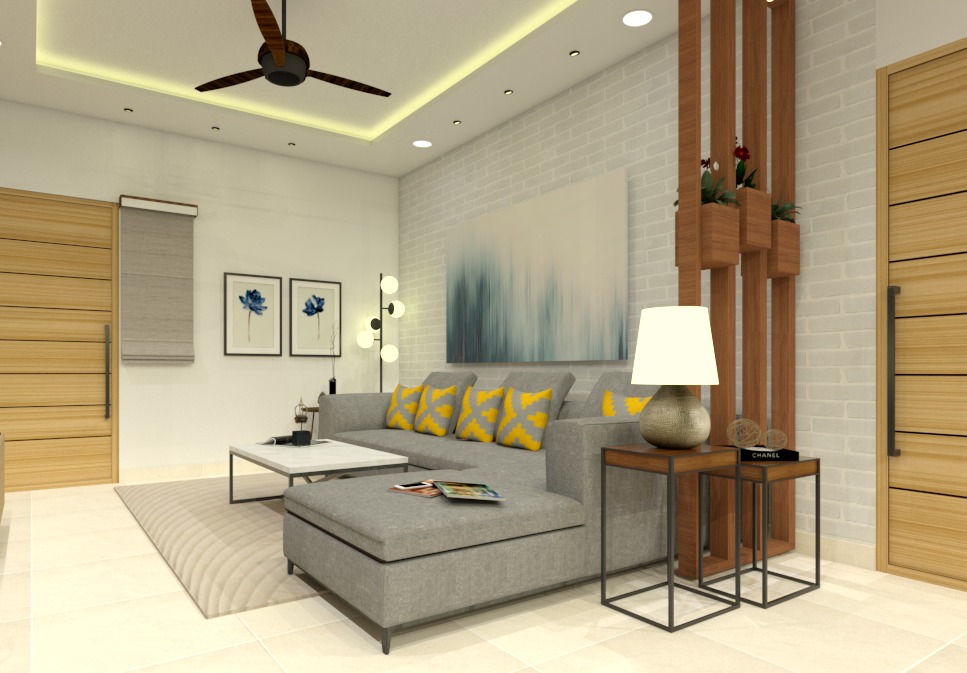
A modern living room featuring a sofa, coffee table, and elegant furnishings.

Revamp Your Living Room with Wallpapered Tabletops

Are you looking for an affordable, easy way to revamp your living room? Look no further than your tabletops! Wallpapered tabletops can add a touch of elegance and creativity to any living space. It is a cost-effective way to add a pop of colour and design to your living room and an opportunity to upcycle old or outdated furniture. Here are some tips on incorporating wallpapered tabletops into your living room décor. Choose the Right Wallpaper  When choosing wallpaper for your tabletop, the options are endless. You can choose a bold, eye-catching pattern or a subtle, understated design. Consider the colour scheme of your living room and choose a wallpaper that complements it. Mix and match patterns and textures for a more eclectic look. It’s important to choose a wallpaper that is durable and easy to clean, as tabletops are prone to spills and stains. Vinyl-coated wallpaper is a good option as it’s easy to wipe clean. Pick the Right Table Not all tables are suitable for wallpapering. Tables with smooth, flat surfaces are the easiest to work with. Avoid tables with many grooves, ridges, or edges, as these can make wallpapering more difficult. The table should also be in good condition, as any cracks or bumps will be visible under the wallpaper. If you’re working with an old or outdated table, sand it down and repair any imperfections before applying the wallpaper. Prepare the surface  Before applying the wallpaper, and it’s important to prepare the surface. Clean the table thoroughly and make sure it’s completely dry. Sand the surface lightly to create a rough texture to help the wallpaper adhere better. Apply a primer to the surface and let it dry completely. This will help the wallpaper stick better and prevent any bubbles or wrinkles from forming. Apply the wallpaper  Measure the table and cut the wallpaper to size, leaving a little extra on the edges to wrap around the sides. Apply wallpaper adhesive to the table’s surface and carefully lay it over it. Smooth out any bubbles or wrinkles with a wallpaper brush or squeegee. Trim the excess wallpaper from the edges and wrap it around the sides of the table. Use a utility knife to cut off any excess. Let the wallpaper dry completely before using the table. Add Finishing Touches  Once the wallpaper is dry, you can add finishing touches to your table. Consider painting the table’s edges to match the wallpaper or adding a coat of clear sealant to protect the surface. You can also add decorative items to the table, such as a vase of flowers or a stack of books. The possibilities are endless! In conclusion, wallpapered tabletops are a creative and affordable way to revamp your living room décor. With the right wallpaper, table, and preparation, you can transform an item of old or outdated furniture into a stylish and eye-catching centrepiece. So, why not see how a wallpapered tabletop can transform your living room? Top Living Room Interior Designing Trends in 2023

Revamp Your Living Room with Wallpapered Tabletops Read More »

luxury interior designers in Hyderabad

Framing Wallpaper: A Unique Way to Add Interest to Your Living Room

If you’re looking for a unique way to add interest and depth to your living room, consider framing wallpaper. This trendy decor idea allows you to turn wallpaper into art, creating a focal point in your space that will wow your guests. Framing wallpaper is a great way to add texture, colour, and pattern to your living room. Whether you’re looking to create a bold statement or a more subtle effect, there are many ways to use framed wallpaper in your home. One of the easiest ways to incorporate framed wallpaper into your living room is to choose a bold and eye-catching pattern. For example, a large-scale floral design or a geometric print can create a dramatic effect when framed and hung on your wall. This works particularly well with neutral-coloured walls or furniture, allowing the wallpaper to take centre stage. Another option is choosing a wallpaper with a more subtle pattern or texture, such as grasscloth or linen. These wallpapers can add depth and texture to your walls, creating a more layered and interesting look. When framed, they can become a beautiful piece of art that complements your decor. When framing your wallpaper, there are many options to choose from. You can choose a simple frame that allows the wallpaper to take centre stage, or you can opt for a more ornate frame that adds to the overall aesthetic of your space. You can also add matting around your wallpaper, which helps to highlight the pattern and colour of the wallpaper and create a more polished look. One of the benefits of framing wallpaper is that it allows you to switch up your decor without removing or replacing it easily. If you get tired of a particular pattern or colour, you can remove the frame and replace the wallpaper with something new. Framing wallpaper is also a great option for renters, as it allows you to add interest and personality to your space without permanently changing the walls. If you’re not allowed to paint or wallpaper your walls, framing wallpaper is a great alternative that allows you to make a statement with your decor still. Putting framed wallpaper into your living room can be fun and creative. To get started, consider the overall aesthetic of your space and choose a wallpaper that complements your existing decor. Then, experiment with different frames and matting options to create a look that is unique to your style. In conclusion, framing wallpaper is a unique and creative way to add interest and depth to your living room. Whether you choose a bold pattern or a subtle texture, framing wallpaper allows you to turn wallpaper into a piece of art that complements your existing decor. So why not try this trend and see how it transforms your space? Top Living Room Interior Designing Trends in 2023

Framing Wallpaper: A Unique Way to Add Interest to Your Living Room Read More »

A modern home interior showing the living room connected to the kitchen

Exploring the Creative Uses of Wallpaper in Living Room Design

Introduction  Wallpaper has been a staple in home décor for decades. It’s a versatile, cost-effective, and easy way to add character and personality to any room. In recent years, wallpaper has come back and is being used innovatively to create stunning living room designs. In this blog, we’ll explore the creative uses of wallpaper in living room design and provide you with some inspiration to help you transform your space.  Accent Wall One of the most popular wallpaper in living rooms is creating an accent wall. An accent wall is a focal point in the room that draws the eye and adds interest. Wallpaper is an excellent choice for an accent wall because it comes in various patterns, colours, and textures. You can choose from bold patterns, muted prints, metallic finishes, and more. When selecting wallpaper for an accent wall, choose a design that complements the existing décor and adds depth and dimension to the room. Ceiling Wallpaper is not just for walls; it can also be used on the ceiling to create a stunning visual impact. Adding wallpaper to the ceiling of your living room is an excellent way to add interest and texture to the room. You can choose a bold pattern or colour to create a statement or opt for a subtle print that complements the overall décor. Just make sure to choose a durable wallpaper that is easy to clean, as it may be exposed to dust and grime. Create a Theme Wallpaper is an excellent tool for creating a theme in your living room. For example, if you love nature, you can choose a wallpaper that features trees, flowers, or leaves. If you prefer a vintage vibe, you can choose a wallpaper with a retro print. Creating a theme with wallpaper is an easy and cost-effective way to personalise your living room and make it feel like home. Use Wallpaper as Art If you have a large blank wall in your living room, consider using wallpaper. Choose a bold pattern or design and frame it to create a unique and eye-catching piece of art. Not only will it add interest to the room, but it will also serve as a conversation starter. Mix and Match If you’re feeling adventurous, you can mix and match wallpaper patterns in your living room. For example, you can use one pattern for the accent wall, another for the ceiling, and a third for the curtains or pillows. The key is to choose patterns that complement each other and create a cohesive look. In conclusion, wallpaper is a versatile and creative tool that can be used in many ways to enhance the design of your living room. Whether you create an accent wall, add wallpaper to the ceiling, create a theme, use wallpaper as art, or mix and match patterns, there is no limit to the possibilities. With so many options available, you can create a living room that is unique, stylish, and personalised to your taste. Top Living Room Interior Designing Trends in 2023

Exploring the Creative Uses of Wallpaper in Living Room Design Read More »

top 10 interior design trends

Aesthetic Lighting Ideas to Set the Mood in Your Living Room

Lighting is an essential aspect of interior design, and it can make or break the ambience of your living room. A well-designed lighting plan can set the mood and transform your living room into a cosy and inviting space. Whether you want to create a relaxing or vibrant atmosphere, here are some aesthetic lighting ideas you can try in your living room. Warm and Cozy Lighting Warm lighting is one of the best ways to create a warm and cosy atmosphere in your living room. Warm lighting has a yellowish-orange glow that instantly makes your living room feel more inviting. You can use warm lighting in various ways, such as: Table lamps: Place table lamps on side tables or consoles to create a warm and cosy ambience. You can choose from different lamp styles, such as ceramic, glass, or metal, to match your decor style. Floor lamps: Floor lamps are ideal for creating a warm and inviting atmosphere in your living room. Place them next to your favourite armchair or sofa to create a reading nook or a relaxing corner. Pendant lights: Pendant lights can be a focal point in your living room. Choose a warm-coloured shade to create a cosy atmosphere. Accent Lighting Accent lighting is a great way to highlight certain areas in your living room, such as artwork, bookshelves, or architectural details. Accent lighting can add depth and texture to your living room and create a dramatic effect. Here are some ideas for using accent lighting: Wall sconces: Wall sconces can add a decorative touch to your living room while providing accent lighting. You can use them to highlight artwork or to create a soft glow on the walls. Picture lights: Picture lights are ideal for highlighting artwork or photographs. They can dramatically affect your living room and make your artwork stand out. Bookshelf lights: If you have a bookshelf in your living room, you can use bookshelf lights to highlight your favourite books or collectables. They can add depth and texture to your living room, making it more inviting. Task Lighting Task lighting is essential for performing specific tasks like reading, working on a computer, or playing board games. Task lighting can reduce eye strain and make your living room more functional. Here are some ideas for task lighting: Desk lamps: If you have a desk in your living room, you can use a desk lamp to provide task lighting. Choose a lamp with an adjustable arm to direct the light where you need it. Floor lamps: Floor lamps can provide task lighting for activities such as reading or playing board games. Choose a lamp with a directional shade to focus the light where you need it. Table lamps: Table lamps can provide task lighting for activities such as writing or drawing. Choose a lamp with a flexible arm to adjust the light to your desired position. Coloured Lighting Coloured lighting can add a unique touch to your living room and create a fun and playful atmosphere. You can use coloured lighting in various ways, such as: LED strips: LED strips can create a colourful accent wall or highlight certain areas in your living room. You can choose from different colours and patterns to match your decor style. Coloured bulbs: Coloured bulbs can create a playful and vibrant atmosphere in your living room. You can use them in table lamps or pendant lights to add a pop of colour. In conclusion, lighting is a crucial element in creating the ambience of your living room. Using these aesthetic lighting ideas, you can set the mood and transform your living room into a cosy and inviting space that you and your guests will love. Top Living Room Interior Designing Trends in 2023

Aesthetic Lighting Ideas to Set the Mood in Your Living Room Read More »

Living Room Interior Design

Unexpected Colour Combinations to Elevate Your Living Room

The living room is the heart of the home, and as such, it should be a space that reflects your personal style and taste. While there are many different ways to decorate a living room, choosing the right colour combinations can really elevate the space and make it feel more cohesive and put together. In this blog post, we will explore some unexpected colour combinations that can help you transform your living room into a stylish and inviting space. Navy Blue and Mustard Yellow One unexpected colour combination that can really make a statement in your living room is navy blue and mustard yellow. While navy blue is a classic and timeless colour that pairs well with many different hues, mustard yellow adds a pop of warmth and vibrancy that can really bring the space to life. To make this colour combination work, consider using navy blue as the main colour in your furniture and decor, and use mustard yellow as an accent colour in your throw pillows, curtains, and other accessories. Gray and Blush Pink Another unexpected colour combination that can create a sophisticated and elegant look in your living room is grey and blush pink. Gray is a versatile and neutral colour that can serve as a backdrop for a variety of different accent colours, while blush pink adds a soft and feminine touch that can make the space feel cosy and inviting. To make this colour combination work, consider using grey as the main colour in your walls and furniture, and use blush pink as an accent colour in your throw pillows, curtains, and other accessories. Green and Gold If you’re looking for a colour combination that’s both bold and luxurious, consider pairing green and gold in your living room. Green is a versatile colour that can be used in many different shades and tones, while gold adds a touch of glamour and sophistication that can really make the space feel special. To make this colour combination work, consider using green as the main colour in your walls and furniture, and use gold as an accent colour in your lamps, mirrors, and other accessories. Black and White with a Pop of Colour For a classic and timeless look that never goes out of style, consider using black and white as the main colour scheme in your living room, and add a pop of colour to bring the space to life. Whether you choose to add a bright red accent chair or a bold blue rug, adding a pop of colour can really make the space feel more vibrant and exciting. To make this colour combination work, consider using black and white as the main colours in your walls and furniture, and use your chosen pop of colour as an accent in your accessories. Orange and Blue Finally, if you’re looking for a colour combination that’s both unexpected and energising, consider pairing orange and blue in your living room. While these two colours may seem like they wouldn’t work well together, they can actually create a vibrant and dynamic look when paired correctly. To make this colour combination work, consider using blue as the main colour in your walls and furniture, and use orange as an accent colour in your throw pillows, curtains, and other accessories. In conclusion, choosing unexpected colour combinations can really elevate your living room and make it a space that reflects your personal style and taste. Whether you choose to pair navy blue and mustard yellow or grey and blush pink, the possibilities are endless when it comes to creating a beautiful and inviting living room. So don’t be afraid to experiment with colour and have fun creating a space that you and your loved ones will truly enjoy. Top Living Room Interior Designing Trends in 2023

Unexpected Colour Combinations to Elevate Your Living Room Read More »

Curved Furniture for Living Rooms: Ideas for a Softer, More Fluid Interior

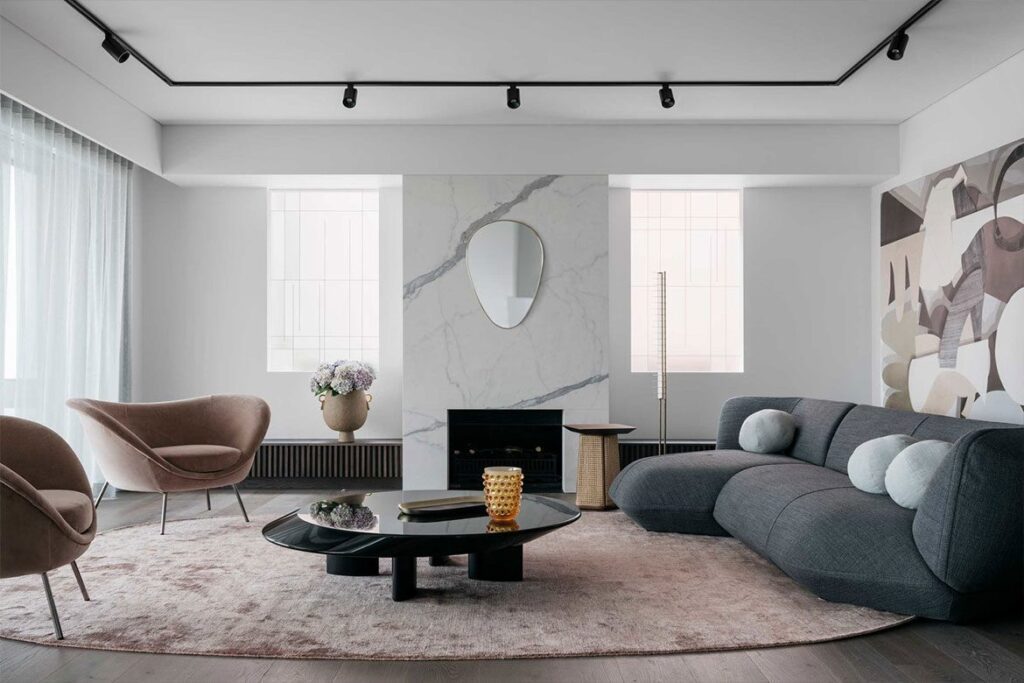
Curved Furniture for Living Rooms: Ideas for a Softer, More Fluid Interior Curved furniture introduces softer shapes into living rooms that might otherwise be dominated by straight walls, rectangular tables and angular cabinetry. A rounded sofa, circular coffee table or gently arched feature can add visual movement while helping the room feel more relaxed and considered. But curves are not automatically the right choice for every interior. Their success depends on the room’s proportions, furniture arrangement, circulation space and the way different shapes work together. Whether you are planning a contemporary apartment or a spacious villa, this guide explains how to incorporate curved furniture and organic forms into your living room without compromising comfort or functionality. Why Use Curved Furniture in a Living Room? Most living rooms contain plenty of straight lines: rectangular sofas, TV units, shelving, windows and floor tiles. Introducing rounded forms creates contrast and prevents these elements from making the space feel overly rigid. Curves can also influence how a room is perceived. A rounded sofa may soften the appearance of a seating arrangement, while an arched wall detail can introduce a focal point without relying on a highly decorative finish. The objective is not to eliminate straight lines. It is to balance them with forms that complement the room’s layout and character. 1. Curved Sofas as a Living Room Focal Point A curved sofa can become the defining element of a living room. Its continuous shape creates a different visual profile from a conventional straight sofa and can work particularly well in contemporary interiors with enough space around the seating. For a larger living room, a curved sofa can help establish a conversation area. Pair it with an appropriately sized coffee table and supplementary seating, keeping the arrangement comfortable for everyday use. Before selecting one, consider: Room dimensions: Check the sofa’s full width and depth, including its curved footprint. Walking space: Preserve clear routes between entrances, adjoining rooms and other furniture. TV viewing: Make sure the seating arrangement works for the household’s viewing habits if the room includes a television. Comfort: Evaluate seat depth, back support, upholstery and the number of people who will regularly use it. Visual balance: Avoid surrounding an expressive sofa with too many competing statement pieces. In compact apartments, a large curved sofa can consume valuable floor space. A smaller rounded accent chair or an occasional table may achieve the same visual softness with less disruption to the layout. 2. Round Coffee Tables for Better Visual Balance A round coffee table is one of the simplest ways to introduce curves into a living room without redesigning the entire space. Its shape contrasts with rectangular sofas and TV units, creating variety within the furniture arrangement. The absence of corners can also be useful in some circulation paths, although the table still needs adequate clearance. Choose the table according to the size and height of the surrounding seating. A very small table can look disconnected from a large sofa, while an oversized one can make the arrangement difficult to navigate. Material selection matters too. A wooden table can introduce warmth, a stone surface can create a more substantial focal point, and a glass top may help maintain a visually lighter appearance. If a single round table does not provide enough surface area, consider two nesting tables or a combination of rounded tables in different sizes. 3. Arches and Curved Wall Details Curves do not have to come exclusively from furniture. Architectural details and wall treatments can introduce rounded forms while keeping the main furniture arrangement relatively simple. Depending on the room, options include: An arched niche for selected decorative objects. A curved display unit or shelving feature. Rounded wall panelling behind a seating area. An arched opening that connects adjoining spaces. A gently curved partition that helps define different zones. The scale of the feature should suit the architecture. A small arch may look out of proportion on a large wall, while an elaborate curved installation can overwhelm a compact living room. Consider how the feature interacts with the ceiling, doorways, lighting and furniture before finalising the design. Curves work best when they appear intentional rather than added simply to follow a trend. 4. Circular Rugs, Mirrors and Decorative Accessories Smaller decorative elements can introduce curves without requiring major furniture purchases or construction work. A circular rug can help distinguish a seating arrangement, particularly when placed beneath a rounded coffee table. A round mirror can soften a wall composition dominated by rectangular furniture, while curved lamps and sculptural accessories can add another layer of visual interest. Use these elements selectively. A circular rug should be large enough to relate to the furniture arrangement. A mirror should be positioned with consideration for what it reflects, the available light and the wall’s proportions. Decorative accessories should complement the room rather than compete with the main furniture. If the sofa already has a strong curved silhouette, a simpler rug and restrained accessories may create a more balanced result than adding rounded forms everywhere. 5. Choosing Colours and Materials for Curved Interiors The finish of a curved element influences how prominent it appears. Soft neutrals, warm wood tones and understated fabrics can emphasise the shape without making it visually overwhelming. Rich colours, contrasting upholstery or expressive stone finishes can make the same form more prominent. The appropriate combination depends on the overall design direction. Material or finish How it can work with curves Upholstered fabric Highlights rounded sofa and accent-chair silhouettes Natural wood Adds warmth to curved tables and selected furniture details Stone Gives rounded coffee tables or side tables a more substantial appearance Glass Helps create a visually lighter table or accessory Metal accents Adds definition to curved furniture legs, lighting or decorative details Textured wall finishes Emphasise arched niches and rounded wall features through light and shadow Material suitability should always be considered alongside appearance. Check durability, cleaning requirements, finish quality and the intended use of each piece before making a final selection. 6. How

Curved Furniture for Living Rooms: Ideas for a Softer, More Fluid Interior Read More »