

Curved Furniture for Living Rooms: Ideas for a Softer, More Fluid Interior
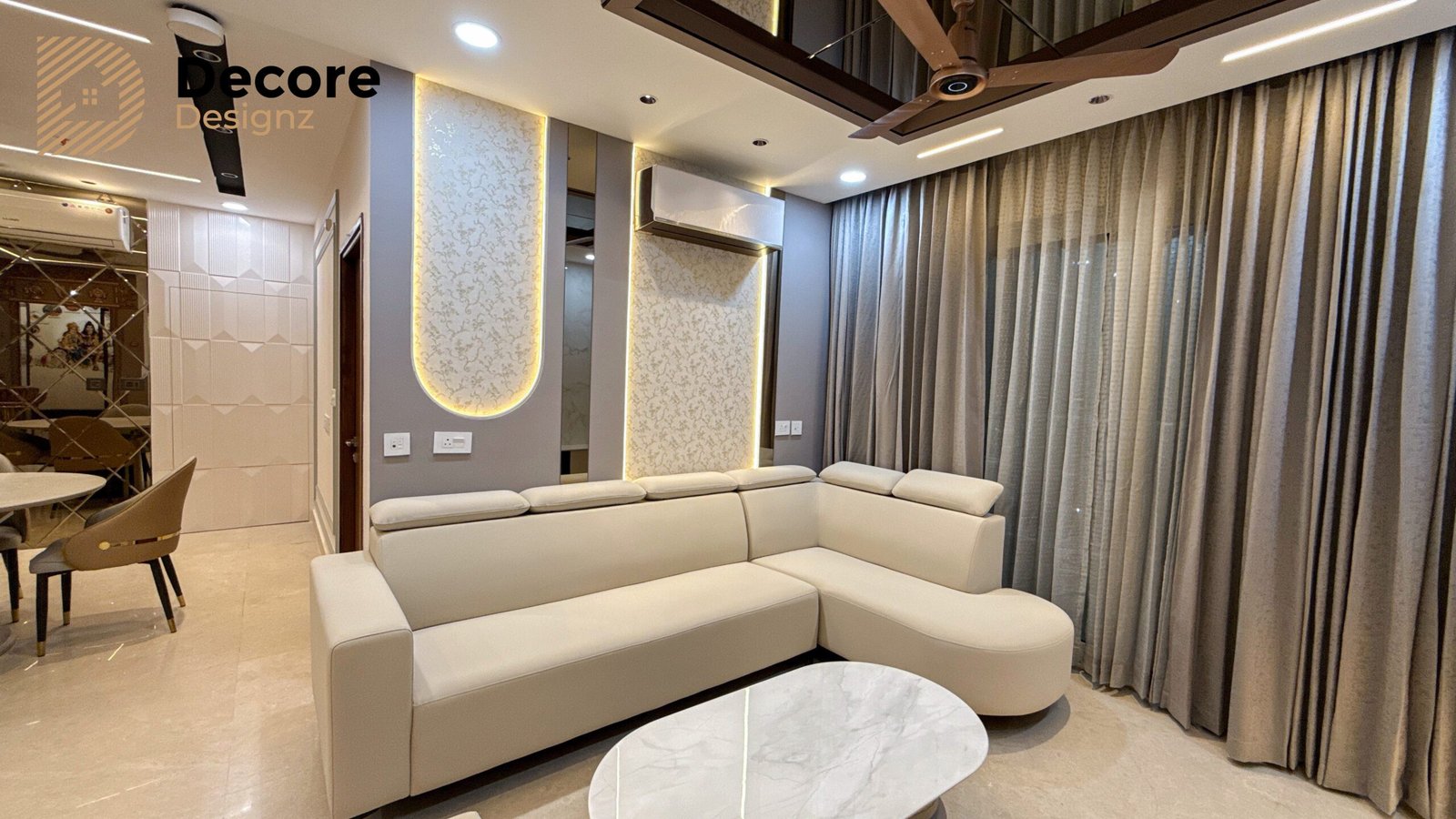
Curved furniture introduces softer shapes into living rooms that might otherwise be dominated by straight walls, rectangular tables and angular cabinetry. A rounded sofa, circular coffee table or gently arched feature can add visual movement while helping the room feel more relaxed and considered.
But curves are not automatically the right choice for every interior. Their success depends on the room’s proportions, furniture arrangement, circulation space and the way different shapes work together.
Whether you are planning a contemporary apartment or a spacious villa, this guide explains how to incorporate curved furniture and organic forms into your living room without compromising comfort or functionality.
Why Use Curved Furniture in a Living Room?
Most living rooms contain plenty of straight lines: rectangular sofas, TV units, shelving, windows and floor tiles. Introducing rounded forms creates contrast and prevents these elements from making the space feel overly rigid.
Curves can also influence how a room is perceived. A rounded sofa may soften the appearance of a seating arrangement, while an arched wall detail can introduce a focal point without relying on a highly decorative finish.
The objective is not to eliminate straight lines. It is to balance them with forms that complement the room’s layout and character.
1. Curved Sofas as a Living Room Focal Point
A curved sofa can become the defining element of a living room. Its continuous shape creates a different visual profile from a conventional straight sofa and can work particularly well in contemporary interiors with enough space around the seating.
For a larger living room, a curved sofa can help establish a conversation area. Pair it with an appropriately sized coffee table and supplementary seating, keeping the arrangement comfortable for everyday use.
Before selecting one, consider:
- Room dimensions: Check the sofa’s full width and depth, including its curved footprint.
- Walking space: Preserve clear routes between entrances, adjoining rooms and other furniture.
- TV viewing: Make sure the seating arrangement works for the household’s viewing habits if the room includes a television.
- Comfort: Evaluate seat depth, back support, upholstery and the number of people who will regularly use it.
- Visual balance: Avoid surrounding an expressive sofa with too many competing statement pieces.
In compact apartments, a large curved sofa can consume valuable floor space. A smaller rounded accent chair or an occasional table may achieve the same visual softness with less disruption to the layout.
2. Round Coffee Tables for Better Visual Balance
A round coffee table is one of the simplest ways to introduce curves into a living room without redesigning the entire space.
Its shape contrasts with rectangular sofas and TV units, creating variety within the furniture arrangement. The absence of corners can also be useful in some circulation paths, although the table still needs adequate clearance.
Choose the table according to the size and height of the surrounding seating. A very small table can look disconnected from a large sofa, while an oversized one can make the arrangement difficult to navigate.
Material selection matters too. A wooden table can introduce warmth, a stone surface can create a more substantial focal point, and a glass top may help maintain a visually lighter appearance.
If a single round table does not provide enough surface area, consider two nesting tables or a combination of rounded tables in different sizes.
3. Arches and Curved Wall Details
Curves do not have to come exclusively from furniture. Architectural details and wall treatments can introduce rounded forms while keeping the main furniture arrangement relatively simple.
Depending on the room, options include:
- An arched niche for selected decorative objects.
- A curved display unit or shelving feature.
- Rounded wall panelling behind a seating area.
- An arched opening that connects adjoining spaces.
- A gently curved partition that helps define different zones.
The scale of the feature should suit the architecture. A small arch may look out of proportion on a large wall, while an elaborate curved installation can overwhelm a compact living room.
Consider how the feature interacts with the ceiling, doorways, lighting and furniture before finalising the design. Curves work best when they appear intentional rather than added simply to follow a trend.
4. Circular Rugs, Mirrors and Decorative Accessories
Smaller decorative elements can introduce curves without requiring major furniture purchases or construction work.
A circular rug can help distinguish a seating arrangement, particularly when placed beneath a rounded coffee table. A round mirror can soften a wall composition dominated by rectangular furniture, while curved lamps and sculptural accessories can add another layer of visual interest.
Use these elements selectively.
A circular rug should be large enough to relate to the furniture arrangement. A mirror should be positioned with consideration for what it reflects, the available light and the wall’s proportions. Decorative accessories should complement the room rather than compete with the main furniture.
If the sofa already has a strong curved silhouette, a simpler rug and restrained accessories may create a more balanced result than adding rounded forms everywhere.
5. Choosing Colours and Materials for Curved Interiors
The finish of a curved element influences how prominent it appears.
Soft neutrals, warm wood tones and understated fabrics can emphasise the shape without making it visually overwhelming. Rich colours, contrasting upholstery or expressive stone finishes can make the same form more prominent.
The appropriate combination depends on the overall design direction.
Material or finish | How it can work with curves |
Upholstered fabric | Highlights rounded sofa and accent-chair silhouettes |
Natural wood | Adds warmth to curved tables and selected furniture details |
Stone | Gives rounded coffee tables or side tables a more substantial appearance |
Glass | Helps create a visually lighter table or accessory |
Metal accents | Adds definition to curved furniture legs, lighting or decorative details |
Textured wall finishes | Emphasise arched niches and rounded wall features through light and shadow |
Material suitability should always be considered alongside appearance. Check durability, cleaning requirements, finish quality and the intended use of each piece before making a final selection.
6. How to Mix Curved and Straight Furniture
A living room does not need to follow one geometric language throughout. In fact, combining curves with straight lines often produces a more balanced interior.
For example, a rounded sofa can sit opposite a linear TV unit. A circular coffee table can contrast with a rectangular rug, provided their sizes and placement work together. An arched wall niche can complement simple cabinetry without requiring every piece of furniture to have a curved profile.
The key is to establish a visual hierarchy.
Choose one principal curved element, then introduce smaller rounded forms where they improve the composition. Keep other elements relatively restrained so the room does not become visually busy.
Also consider the practical relationship between shapes. Curved furniture may have a larger footprint than its front-facing width suggests. Straight cabinetry may provide more usable storage along a wall. Both can work together when the layout is planned around the actual dimensions of the room.
7. Are Curved Furniture Pieces Suitable for Small Living Rooms?
Yes, but the selection needs to be deliberate.
In a compact living room, every furniture piece affects movement and usable floor space. A generously sized curved sofa may look attractive in isolation yet leave too little clearance around the coffee table or doorway.
Instead, consider introducing curves through one or two smaller elements, such as:
- A rounded accent chair.
- A compact circular coffee table.
- A curved floor lamp.
- A round mirror or a small arched wall detail.
Measure the furniture footprint before purchasing and test the proposed arrangement on a floor plan. The aim is to retain a comfortable route through the room while making the furniture arrangement feel cohesive.
In larger living rooms, curves can be used more expansively to shape seating zones or create a stronger architectural feature. Even there, proportions and circulation should take priority over appearance alone.
8. Common Mistakes to Avoid When Using Curves
Curved interiors can lose their appeal when decorative choices are made without considering the whole room.
Using too many curved elements: Multiple statement pieces can compete for attention. Establish a focal point and let the other elements support it.
Ignoring furniture dimensions: A curved sofa or table needs to be assessed by its complete footprint, not just its width.
Choosing style over comfort: Check seating support, table usability and everyday access before approving a design.
Mixing unrelated finishes: Different materials can create contrast, but their colours, textures and proportions should still work together.
Adding arches without a clear purpose: Architectural details should complement the room’s scale and layout rather than create unnecessary visual complexity.
Forgetting maintenance: Upholstery, textured surfaces and decorative finishes should be selected with cleaning and long-term use in mind.
Designing a Living Room That Feels Balanced
Curved furniture can add softness and visual interest to a living room, but its success depends on more than the shape of a sofa or table. Furniture proportions, circulation, materials, lighting and the relationship between different elements all contribute to the finished result.
At Decore Designz Studio, our approach to residential interiors starts with how a home will be used. We consider furniture planning, storage, lighting, materials and movement together so the design feels cohesive and works in everyday life.
If you are planning a living room or a complete home interior in Hyderabad, explore our living room interior design services or interior design services in Hyderabad.
Decore Designz Studio
Phone: +91 96182 18055
Email: decoredesignzstudio@gmail.com
Frequently Asked Questions
What is curved furniture in interior design?
Curved furniture includes pieces with rounded edges or flowing silhouettes, such as curved sofas, barrel chairs, circular coffee tables and oval side tables. These forms can contrast with the straight lines found in many contemporary interiors.
Are curved sofas suitable for modern living rooms?
Yes. Curved sofas can work well in modern living rooms when their dimensions, seating capacity and placement suit the room. They are particularly useful when the seating arrangement is intended to become a focal point.
How can I add curves to a living room without buying new furniture?
You can introduce rounded forms through mirrors, lamps, accessories, artwork, cushions or a circular rug. The best choice depends on the existing furniture arrangement and the amount of space available.
Do curves make a small living room look bigger?
Not necessarily. Curves can soften the visual appearance of a room, but they do not increase its physical space. Oversized curved furniture can reduce usable floor area, so scale and clearance remain important.
Which materials work well with curved furniture?
Upholstery, wood, stone, glass and metal can all work well, depending on the furniture type and intended design. Choose materials according to durability, maintenance, comfort and how they complement the rest of the interior.
Should all furniture in a curved living room have rounded edges?
No. A mixture of curved and straight elements usually provides more visual balance and flexibility. The objective is to create a cohesive arrangement, not to make every piece follow the same shape.