

Material Choices for 2BHK and 3BHK Apartments: Where to Spend and Where to Save
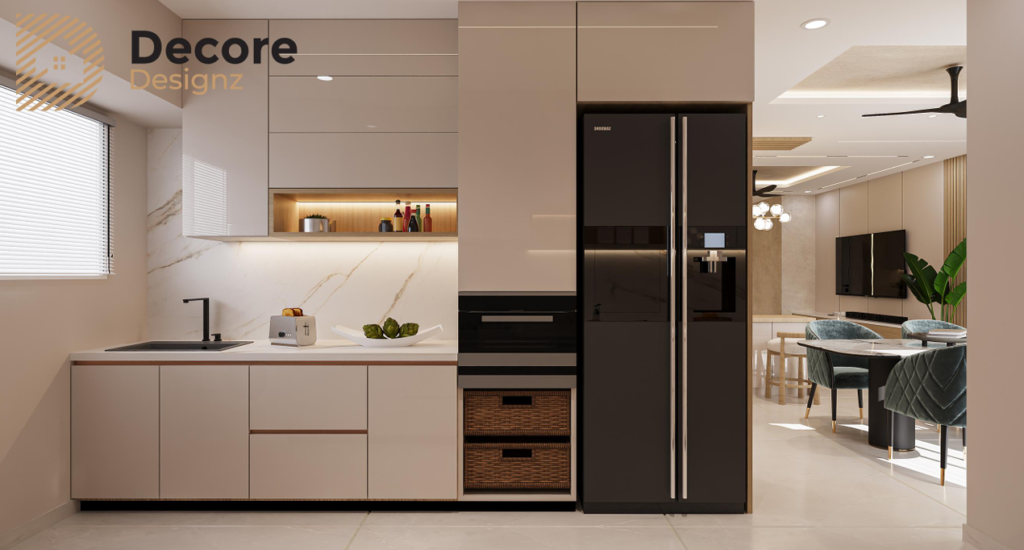
The best interior materials for a 2BHK or 3BHK apartment are not necessarily the most expensive ones. Spend more attention on components that are difficult to replace, exposed to regular use or likely to fail if poorly specified. Save on decorative details that can be changed later without disturbing the rest of the home. The right balance comes from matching each material to its purpose, exposure, expected lifespan and maintenance needs.
A 2BHK usually requires tighter decisions because storage and circulation compete for space. A 3BHK may offer more room, but it can also introduce more wardrobes, cabinetry and finishing work. In both cases, prioritise durability where failure is disruptive, and simplify finishes where the performance difference is small.
Where should you spend and where can you save on apartment interiors?
Interior element | Where to spend | Where to save |
Kitchen cabinetry | Suitable board grade, edge protection, hardware and installation | Decorative finishes on less visible internal surfaces |
Wardrobes | Reliable carcass construction, hinges, channels and sensible internal layouts | Excessive shutter detailing and rarely used accessories |
Drawer systems | Smooth, durable hardware for frequently used drawers | Premium mechanisms in low-use storage where they add little value |
Countertops and work surfaces | Appropriate durability, stain resistance and practical detailing | Unnecessary decorative upgrades that do not improve daily use |
Wall finishes | Correct surface preparation and a finish suited to the room | Feature treatments on every wall |
Flooring | Suitability for the room, durability and safe maintenance | Replacing a sound existing floor purely for a different appearance |
Lighting | Good task lighting, suitable fittings and sensible circuit planning | Too many decorative lights that serve the same purpose |
False ceiling | Sound design, suitable materials and access to services | Complex levels and cut-outs that add maintenance without a clear benefit |
Handles and accessories | Reliable fittings for frequently used units | Matching every fitting to a premium finish when a simpler one works |
Decorative panels | Quality installation in visible focal areas | Extending costly panelling across every available wall |
The aim is not to choose the cheapest option in each row. It is to spend where quality affects everyday use, longevity or future repair work—and avoid paying for complexity that adds little practical value.
Which materials deserve a higher specification in a 2BHK or 3BHK?
1. Kitchen cabinets and sink units
Kitchen cabinets experience frequent opening and closing, cleaning, heat and occasional water exposure. The sink unit is particularly vulnerable because plumbing leaks may remain hidden behind stored items.
Prioritise a board suitable for the intended exposure, well-sealed edges, dependable hinges and channels, and access to plumbing for inspection. The visible finish matters, but it should not be the only factor driving the decision.
You can simplify the design by using a restrained finish palette instead of combining several expensive surface treatments. A well-planned kitchen with fewer finishes can be easier to maintain and visually more consistent.
For a detailed comparison of cabinet options, read Modular Kitchen Materials: A Complete Guide.
2. Wardrobe carcasses, shutters and hardware
Wardrobes occupy a substantial amount of wall space and are inconvenient to rebuild once the bedroom is in use. The carcass, internal shelves, hanging sections and hardware all affect how the wardrobe performs.
Spend on a suitable board specification, secure fixing, protected edges and hardware that can handle the expected load and frequency of use. Choose the internal layout around actual clothing, luggage, accessories and household storage needs.
You can save by avoiding unnecessary combinations of glass, metallic trims, intricate profiles and decorative finishes. A simpler shutter can still look refined when its proportions, colour and alignment are well considered.
The correct board depends on its application and exposure. Do not assume that every plywood product is waterproof or termite-proof. See Plywood vs MDF for Home Interiors for a more detailed board comparison.
3. Drawer channels, hinges and other fittings
Hardware is easy to overlook because it is less visible than a shutter or countertop. Yet a drawer that sticks or a hinge that repeatedly loosens affects daily use.
Use dependable fittings for high-use kitchen drawers, wardrobe doors and frequently accessed storage. Match the hardware to the weight and size of the panel. Confirm that the installer has allowed for the correct clearances and fixing points.
You do not need the most elaborate mechanism everywhere. Reserve specialised fittings for places where they solve a real problem, such as awkward corner storage or a specific accessibility requirement.
4. Countertops and frequently used surfaces
Countertops and work surfaces face repeated contact, spills, cleaning and sometimes heat. Select the surface according to the way the household cooks, cleans and uses the room—not just its showroom appearance.
Before finalising a surface, check its resistance to stains and scratches, maintenance requirements, joint detailing and compatibility with the supporting cabinetry. Ask how chips, stains or damage can be repaired.
A simpler finish may be the better choice if it meets the household’s needs and works with the overall design. Avoid paying for a premium appearance that demands more care than the family is willing to provide.
Where can you save without making the home feel cheap?
5. Wall colours and decorative treatments
Paint colour has a strong visual effect, but not every wall needs a costly treatment. A coordinated palette can make a flat feel considered without using elaborate wall panels, textured finishes or wallpaper throughout.
Spend on proper wall preparation, suitable paint for the room and a finish that can be maintained. Save by choosing one or two focal areas rather than decorating every wall.
The same principle applies to decorative laminates and veneers. Use more distinctive finishes where they are clearly visible and contribute to the overall design. Simpler complementary surfaces can be used elsewhere.
6. False ceilings and decorative lighting
A false ceiling should solve a design or practical need: integrating lighting, concealing services or defining a space. Extra levels and decorative cut-outs are not automatically improvements.
Prioritise suitable ceiling materials, safe electrical planning, access to service points and lighting that supports the way the room is used. Save by reducing unnecessary shapes, repeated coves and decorative fixtures that create overlapping effects.
In a compact 2BHK, a simpler ceiling may preserve a sense of height and reduce visual clutter. In a larger 3BHK, selective ceiling treatments can define zones without requiring the same detail in every room.
7. Handles, trims and decorative accessories
Handles, profiles and metallic accents can influence the overall look, but upgrading every small fitting may not deliver a meaningful improvement.
Choose hardware that feels appropriate to the design and performs reliably. Keep finishes consistent where units are visible together, and avoid adding decorative elements simply because they are available.
The money saved can be directed towards better storage planning, more reliable hardware or a surface that receives heavier use.
How should material choices differ between a 2BHK and a 3BHK?
The number of bedrooms should not determine material quality on its own. The layout, household routines and intended use matter more.
For a 2BHK apartment, prioritise efficient storage, multifunctional furniture where appropriate, and finishes that keep the space visually calm. Avoid using too many contrasting materials in a compact layout. Spend on components that are difficult to replace, particularly kitchen cabinetry and built-in wardrobes.
For a 3BHK apartment, decide how each room will be used before specifying its materials. A bedroom used daily needs a different storage plan from a guest room used occasionally. A study may need durable work surfaces and cable management, while a secondary room may require more flexible storage.
Do not automatically specify the same level of detailing in every room. Apply the same quality standards for safety and construction, but vary the decorative treatment according to use and visibility.
For project-level budgeting considerations, compare the guides to 2BHK interior design cost in Hyderabad and 3BHK interior design cost in Hyderabad. These pages address the broader scope and factors affecting a project; this article focuses on material decisions.
What do homeowners often miss when choosing materials?
The visible finish is only one part of the specification. Several less obvious details can affect performance and future maintenance:
- Edge sealing: Water entering an exposed board edge can cause damage even when the visible surface looks intact.
- Installation quality: Good materials can fail when joints, fixings or clearances are handled poorly.
- Hardware compatibility: Hinges and channels must suit the panel size, weight and frequency of use.
- Repair access: Concealing plumbing or electrical points without access can make future maintenance more disruptive.
- Material consistency: Confirm the specified product and grade before installation rather than relying on a broad label such as “premium.”
- Room conditions: Damp walls, direct sunlight and frequent water exposure may require a different specification from a dry bedroom.
- Design complexity: More grooves, profiles, panels and finish changes can create additional cleaning and maintenance demands.
The best place to save is often unnecessary complexity. The worst place to save is a hidden component whose failure could damage surrounding work or require major dismantling.
Plan your apartment interiors around real priorities
A well-planned 2BHK or 3BHK does not need the most expensive material in every room. It needs a clear hierarchy: reliable construction where it matters, finishes that suit the home, and decorative details that justify their place in the design.
Decore Designz Studio has been designing interiors since 2014, with an emphasis on practical planning and real execution. Explore the work of our Decore Designz interior design studio and contact us to discuss your apartment, material requirements and a personalised project quote.
Decore Designz Studio
Interior designer
Fourth Floor, Bhagyalaxmi Construction, KM Cube Building, 401, Ghousia Masjid Rd, Ramakrishnapur, Weaker Section Colony, Izzathnagar, HITEC City, Khanammet, Hyderabad, Telangana 500084
Phone: +91 96182 18055
Email: decoredesignzstudio@gmail.com
Frequently asked questions
Which materials are best for a 2BHK flat?
Choose materials based on each room’s use and exposure. Prioritise suitable kitchen and wardrobe construction, reliable hardware, protected edges and finishes that are practical to maintain. A coordinated, simpler decorative palette can keep a compact flat from feeling busy.
What should I spend more on in a 3BHK interior?
Focus on components that receive heavy use or are difficult to replace, such as kitchen cabinetry, wardrobe construction, drawer systems and frequently used work surfaces. The right priorities depend on the household’s routines and the layout.
Where can I save money on home interior materials?
You can often simplify decorative panelling, false-ceiling details, premium finishes on less visible surfaces and accessories that add little practical value. Do not compromise blindly on board suitability, installation, hardware or moisture protection.
Is the same material suitable for every room?
No. Kitchens, bathrooms, bedrooms and living areas have different moisture exposure, cleaning requirements and patterns of use. Material grade and installation should match the actual application.
Are expensive materials always better?
No. A higher-priced finish may offer a different appearance or performance, but it is not automatically the best fit. Compare durability, maintenance, repairability and suitability for the room before deciding.
How do I compare interior design proposals fairly?
Compare the specified board grades, surface finishes, hardware, storage layouts, installation scope and exclusions—not just the visual design or headline quote. If two proposals use vague descriptions such as “premium material,” ask for the exact specification before comparing them.