

Living Room Furniture Ideas: Choosing Pieces That Fit a Hyderabad Flat
Choosing the right living room furniture starts with understanding your room, not picking pieces from a catalogue. In a Hyderabad flat, the best furniture should fit the available floor space, allow comfortable movement, provide enough seating and storage, and work with the way your family uses the room.
Topic summary: Learn how to measure your living room, select appropriately sized furniture, combine fixed and movable pieces, and avoid common layout mistakes in apartments.
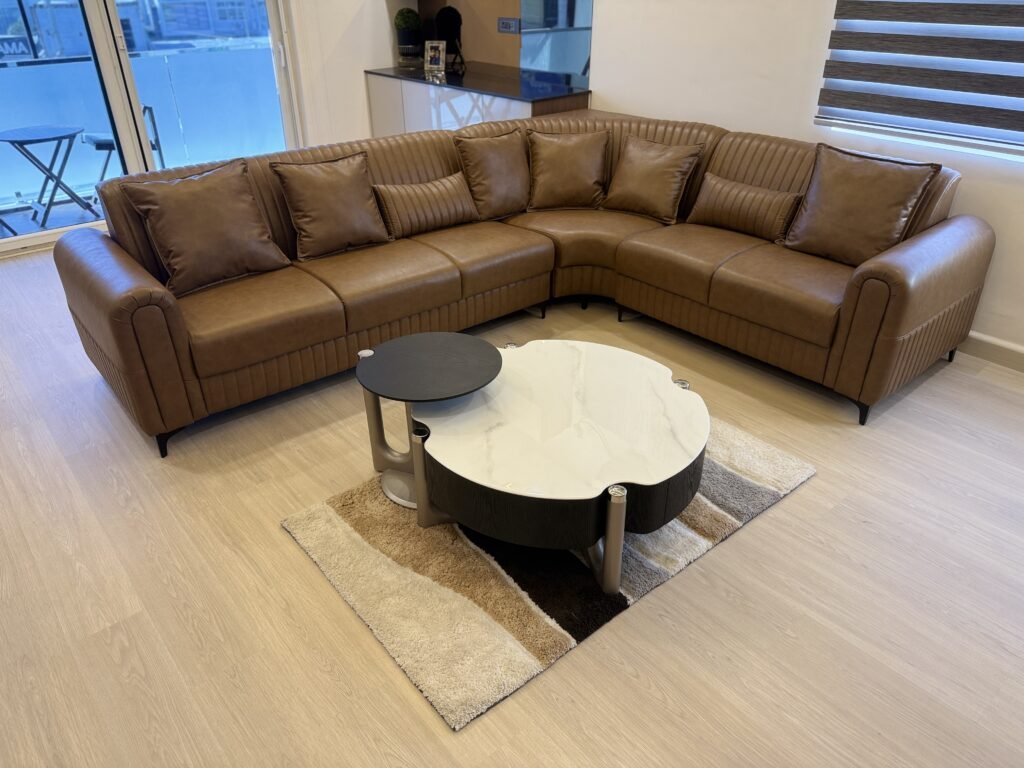
Why Furniture Selection Matters in a Hyderabad Flat
Living rooms in apartments often need to do several jobs at once. They may be used for family time, entertaining guests, watching television, relaxing after work and, occasionally, working from home.
However, adding furniture for every possible use can make the room feel crowded. A large sofa may leave little space for a centre table. A bulky storage unit may obstruct a passage. An extra chair might reduce access to the balcony.
That is why good living room furniture ideas begin with the room’s layout and your family’s priorities.
Before buying anything, consider:
- How many people usually use the living room?
- Do you regularly entertain guests?
- Does the room connect directly to the dining area or balcony?
- Do you need additional storage?
- Is there a dedicated TV wall?
- Do children or older family members need particular seating arrangements?
- Will the furniture remain suitable if your needs change?
These answers help determine what furniture you need, how much of it you need and where it should go.
1. Measure the Room Before Choosing Furniture
The first step is to measure the usable space. A room’s total dimensions do not tell the whole story because doors, windows, balcony access, columns and passages affect furniture placement.
Measure the living room’s length and width. Then note the positions of doors, windows, electrical points, the TV connection and any fixed architectural elements.
Next, map out the main movement paths. You should be able to enter the room, reach the balcony and move towards the dining area without repeatedly walking around furniture.
Plan the furniture footprint
Do not measure only the furniture itself. Include the space needed to use it.
For example, a sofa needs room in front of it for a table and comfortable movement. A cabinet needs enough clearance for its doors or drawers to open. A recliner needs additional space when extended.
Use masking tape on the floor to mark the approximate dimensions of larger pieces. This simple exercise can reveal problems before you buy.
Practical tip: Measure the lift, staircase, corridor and apartment entrance too. A piece that fits the living room may still be difficult to bring inside.
2. Choose a Sofa That Suits the Layout
The sofa is often the largest loose furniture item in a living room. Its size and position influence nearly every other furniture decision.
Start by deciding how many people need regular seating. Then compare the available wall length, the room’s depth and the circulation space before choosing a sofa.
A compact two- or three-seater may suit a smaller living room. A larger room may accommodate additional seating, provided it does not interrupt movement.
Also consider the sofa’s visual weight. Thick arms, deep seats and bulky bases can make a room feel more crowded than a design with slimmer proportions.
The aim is not to choose the smallest sofa possible. It is to find one that provides the required comfort without taking over the room.
For a closer look at sofa proportions and seating options, explore our living room sofa design guide. Confirm this URL is live before publishing.
3. Select Furniture That Serves a Clear Purpose
A well-planned living room does not need a large number of furniture pieces. Each item should support a practical need or contribute meaningfully to the overall design.
Centre tables and side tables
A centre table provides a convenient surface for everyday items and helps connect the seating arrangement. However, its size should relate to the sofa and the available clearance.
In a compact room, a smaller table or nesting tables may be more practical than a large, fixed piece. Side tables can provide additional surfaces without requiring another full-size table in the centre.
Accent chairs
An accent chair can create extra seating or a comfortable reading corner. Nevertheless, it should not block a doorway or make the sofa area difficult to navigate.
Choose its position before selecting the chair. This helps you understand how much room is available and whether the chair should be visually light or more substantial.
Storage units
Storage can help keep the living room organised, but large units are not always the best solution.
Consider what you actually need to store. Frequently used items may need accessible shelves or drawers, while decorative objects may require only a small display area.
Where standard furniture does not fit the room well, customised furniture can help align dimensions, storage and appearance with the available space.
4. Decide What to Buy First
Buying every piece at once can lead to unnecessary furniture and layout compromises. Instead, prioritise the items that define how the room will function.
A sensible order is:
- Essential seating: Choose the main sofa or primary seating arrangement.
- Fixed elements: Confirm the TV unit, built-in storage and other planned carpentry.
- Supporting furniture: Add a centre table, side tables or an accent chair according to the remaining space.
- Soft furnishings: Select rugs, curtains and cushions after the main layout is clear.
- Decorative pieces: Add lamps, plants and accessories where they improve the room without obstructing movement.
This order allows you to assess the available space as the plan develops. It also reduces the risk of buying decorative pieces that do not work with the final layout.
5. Balance Fixed Furniture With Movable Pieces
Living room furniture design often combines fixed carpentry with movable furniture. Each has a different role, so the decision should depend on how you use the room.
When fixed furniture makes sense
Built-in TV units, wall-mounted storage and customised cabinets can make use of specific wall dimensions. They are particularly useful when you need a defined storage solution or want the furniture to align with the room’s architecture.
However, fixed furniture should be planned carefully. It is less flexible if your requirements or layout change later.
When movable furniture is better
Sofas, chairs, side tables and floor lamps can be rearranged or replaced as needs evolve. They may also be easier to adapt when a family starts using the room differently.
In many flats, a balanced combination works well: fixed furniture handles essential storage, while movable pieces provide seating and flexibility.
Avoid building cabinets on every available wall simply because space exists. Keeping some areas visually open can help the room feel less enclosed.
6. Make the Room Feel Spacious Without Removing Comfort
A compact living room does not have to feel bare. The key is to use furniture proportions and placement carefully.
Consider these approaches:
- Choose pieces that fit the room rather than oversized furniture designed for a larger space.
- Keep main walking routes clear.
- Use furniture with visible legs where appropriate to preserve a sense of openness.
- Prefer a few useful storage solutions over several small cabinets.
- Avoid placing too many decorative objects on tables and shelves.
- Keep the visual treatment of adjoining spaces reasonably consistent.
Multi-functional furniture may also help when one room needs to support different activities. For further ideas, read our guide to space-saving interior design in Hyderabad.
Remember, however, that multi-functional furniture is useful only when its extra function will genuinely be used. A complicated piece that is difficult to open or rearrange may become an inconvenience.
7. Match Furniture Shapes and Materials to the Room
Furniture should work as a group rather than appear to have been selected independently.
A room with several heavy, angular pieces may feel visually rigid. Softer shapes can introduce contrast, while consistent wood tones or related finishes can help connect different items.
For example, rounded edges may work well in a living room where circulation is tight. Curved furniture can also soften a room dominated by straight cabinetry and rectangular walls. Explore the ideas in our article on curves in living room interiors.
Materials need to suit everyday use, too. Consider cleaning requirements, exposure to sunlight, fabric maintenance and how frequently each surface will be handled.
A finish that looks attractive in a photograph may not be the easiest choice for a busy family. Compare appearance with practical upkeep before making a final decision.
8. Common Furniture Planning Mistakes to Avoid
Even attractive furniture can create an uncomfortable room if the layout is not considered as a whole.
Buying before measuring
Furniture selected by appearance alone may block circulation or leave insufficient clearance around doors and windows.
Better approach: Measure the room and the furniture. Check the complete layout before confirming an order.
Choosing too many large pieces
Several bulky items compete for floor space and can make the room feel crowded.
Better approach: Prioritise essential seating and storage. Add supporting furniture only after checking the remaining space.
Ignoring how the room connects to other areas
A living room may share space with the dining area or provide access to a balcony. Furniture should not make these routes awkward.
Better approach: Plan movement through the entire connected space, not just around the sofa.
Treating storage as an afterthought
Without enough planned storage, everyday items may accumulate on tables and open shelves.
Better approach: Identify what needs to be stored before deciding on cabinets, drawers or display units.
Choosing style before function
A furniture piece may look right in a showroom but fail to suit the room’s dimensions or the family’s routine.
Better approach: Establish the layout and essential requirements first. Then select finishes, colours and shapes that support the plan.
9. A Simple Checklist Before You Buy
Before confirming your living room furniture set, check the following:
- Room dimensions and furniture measurements are confirmed.
- Doorways, windows and balcony access remain clear.
- There is enough space to sit down, stand up and move comfortably.
- The seating capacity suits your household.
- Storage meets everyday needs without overwhelming the room.
- Materials and upholstery suit your maintenance preferences.
- Fixed carpentry and movable furniture work together.
- Furniture can be transported through the building’s access routes.
- The overall arrangement leaves room for lighting and soft furnishings.
A short review can prevent expensive mistakes in time, effort and space, even without changing the furniture style you prefer.
Plan Furniture Around the Way You Live
The best living room furniture ideas are the ones that work in your actual home. Measurements, movement, seating needs, storage and maintenance should guide the selection before appearance becomes the deciding factor.
At Decore Designz Studio, we plan living room interiors around the space available and the way each household uses it. If you are designing a new flat or updating an existing living room, explore our living room interior design services in Hyderabad to discuss a layout that brings furniture, storage and finishes together.
Frequently Asked Questions
How do I choose living room furniture for a small flat?
Start by measuring the room and identifying essential needs, such as seating, storage and clear access to adjoining spaces. Choose appropriately scaled furniture and add supporting pieces only after checking the layout.
Which furniture should I buy first for a living room?
Begin with the main seating and the layout of any fixed furniture, such as a TV unit or built-in storage. Then select tables, chairs, rugs and accessories based on the space that remains.
Is customised furniture better than ready-made furniture?
Neither option is always better. Ready-made furniture can offer flexibility and simpler replacement, while customised furniture can suit unusual dimensions or specific storage requirements. The right choice depends on the room, intended use and overall design.
How can I make my living room look less crowded?
Reduce unnecessary pieces, maintain clear walking routes, avoid oversized furniture and plan storage carefully. A few well-proportioned items often work better than filling every available corner.
Should all living room furniture match?
No. The pieces should feel coordinated, but they do not need to be identical. Related finishes, complementary materials and balanced proportions can create a cohesive look while allowing some variety.