
Decore Designz

Author name: admin

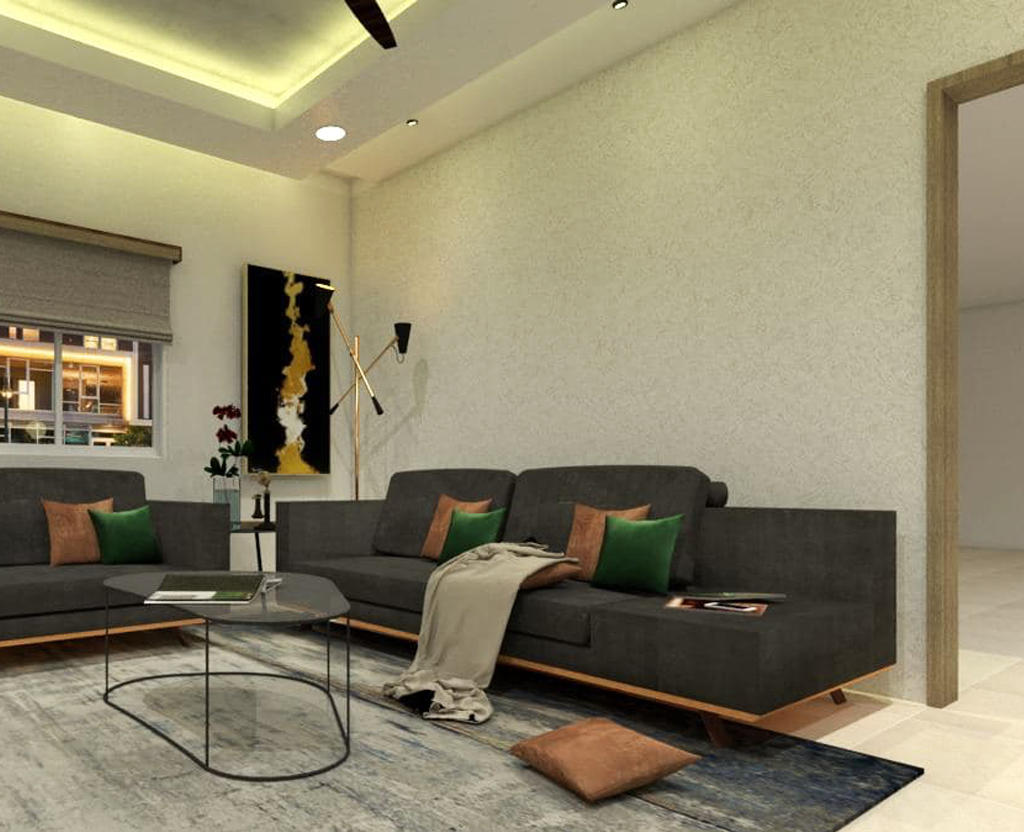
A modern home interior showing the living room connected to the kitchen

Exploring the Creative Uses of Wallpaper in Living Room Design

Introduction  Wallpaper has been a staple in home décor for decades. It’s a versatile, cost-effective, and easy way to add character and personality to any room. In recent years, wallpaper has come back and is being used innovatively to create stunning living room designs. In this blog, we’ll explore the creative uses of wallpaper in living room design and provide you with some inspiration to help you transform your space.  Accent Wall One of the most popular wallpaper in living rooms is creating an accent wall. An accent wall is a focal point in the room that draws the eye and adds interest. Wallpaper is an excellent choice for an accent wall because it comes in various patterns, colours, and textures. You can choose from bold patterns, muted prints, metallic finishes, and more. When selecting wallpaper for an accent wall, choose a design that complements the existing décor and adds depth and dimension to the room. Ceiling Wallpaper is not just for walls; it can also be used on the ceiling to create a stunning visual impact. Adding wallpaper to the ceiling of your living room is an excellent way to add interest and texture to the room. You can choose a bold pattern or colour to create a statement or opt for a subtle print that complements the overall décor. Just make sure to choose a durable wallpaper that is easy to clean, as it may be exposed to dust and grime. Create a Theme Wallpaper is an excellent tool for creating a theme in your living room. For example, if you love nature, you can choose a wallpaper that features trees, flowers, or leaves. If you prefer a vintage vibe, you can choose a wallpaper with a retro print. Creating a theme with wallpaper is an easy and cost-effective way to personalise your living room and make it feel like home. Use Wallpaper as Art If you have a large blank wall in your living room, consider using wallpaper. Choose a bold pattern or design and frame it to create a unique and eye-catching piece of art. Not only will it add interest to the room, but it will also serve as a conversation starter. Mix and Match If you’re feeling adventurous, you can mix and match wallpaper patterns in your living room. For example, you can use one pattern for the accent wall, another for the ceiling, and a third for the curtains or pillows. The key is to choose patterns that complement each other and create a cohesive look. In conclusion, wallpaper is a versatile and creative tool that can be used in many ways to enhance the design of your living room. Whether you create an accent wall, add wallpaper to the ceiling, create a theme, use wallpaper as art, or mix and match patterns, there is no limit to the possibilities. With so many options available, you can create a living room that is unique, stylish, and personalised to your taste. Top Living Room Interior Designing Trends in 2023

Exploring the Creative Uses of Wallpaper in Living Room Design Read More »

top 10 interior design trends

Aesthetic Lighting Ideas to Set the Mood in Your Living Room

Lighting is an essential aspect of interior design, and it can make or break the ambience of your living room. A well-designed lighting plan can set the mood and transform your living room into a cosy and inviting space. Whether you want to create a relaxing or vibrant atmosphere, here are some aesthetic lighting ideas you can try in your living room. Warm and Cozy Lighting Warm lighting is one of the best ways to create a warm and cosy atmosphere in your living room. Warm lighting has a yellowish-orange glow that instantly makes your living room feel more inviting. You can use warm lighting in various ways, such as: Table lamps: Place table lamps on side tables or consoles to create a warm and cosy ambience. You can choose from different lamp styles, such as ceramic, glass, or metal, to match your decor style. Floor lamps: Floor lamps are ideal for creating a warm and inviting atmosphere in your living room. Place them next to your favourite armchair or sofa to create a reading nook or a relaxing corner. Pendant lights: Pendant lights can be a focal point in your living room. Choose a warm-coloured shade to create a cosy atmosphere. Accent Lighting Accent lighting is a great way to highlight certain areas in your living room, such as artwork, bookshelves, or architectural details. Accent lighting can add depth and texture to your living room and create a dramatic effect. Here are some ideas for using accent lighting: Wall sconces: Wall sconces can add a decorative touch to your living room while providing accent lighting. You can use them to highlight artwork or to create a soft glow on the walls. Picture lights: Picture lights are ideal for highlighting artwork or photographs. They can dramatically affect your living room and make your artwork stand out. Bookshelf lights: If you have a bookshelf in your living room, you can use bookshelf lights to highlight your favourite books or collectables. They can add depth and texture to your living room, making it more inviting. Task Lighting Task lighting is essential for performing specific tasks like reading, working on a computer, or playing board games. Task lighting can reduce eye strain and make your living room more functional. Here are some ideas for task lighting: Desk lamps: If you have a desk in your living room, you can use a desk lamp to provide task lighting. Choose a lamp with an adjustable arm to direct the light where you need it. Floor lamps: Floor lamps can provide task lighting for activities such as reading or playing board games. Choose a lamp with a directional shade to focus the light where you need it. Table lamps: Table lamps can provide task lighting for activities such as writing or drawing. Choose a lamp with a flexible arm to adjust the light to your desired position. Coloured Lighting Coloured lighting can add a unique touch to your living room and create a fun and playful atmosphere. You can use coloured lighting in various ways, such as: LED strips: LED strips can create a colourful accent wall or highlight certain areas in your living room. You can choose from different colours and patterns to match your decor style. Coloured bulbs: Coloured bulbs can create a playful and vibrant atmosphere in your living room. You can use them in table lamps or pendant lights to add a pop of colour. In conclusion, lighting is a crucial element in creating the ambience of your living room. Using these aesthetic lighting ideas, you can set the mood and transform your living room into a cosy and inviting space that you and your guests will love. Top Living Room Interior Designing Trends in 2023

Aesthetic Lighting Ideas to Set the Mood in Your Living Room Read More »

Living Room Interior Design

Unexpected Colour Combinations to Elevate Your Living Room

The living room is the heart of the home, and as such, it should be a space that reflects your personal style and taste. While there are many different ways to decorate a living room, choosing the right colour combinations can really elevate the space and make it feel more cohesive and put together. In this blog post, we will explore some unexpected colour combinations that can help you transform your living room into a stylish and inviting space. Navy Blue and Mustard Yellow One unexpected colour combination that can really make a statement in your living room is navy blue and mustard yellow. While navy blue is a classic and timeless colour that pairs well with many different hues, mustard yellow adds a pop of warmth and vibrancy that can really bring the space to life. To make this colour combination work, consider using navy blue as the main colour in your furniture and decor, and use mustard yellow as an accent colour in your throw pillows, curtains, and other accessories. Gray and Blush Pink Another unexpected colour combination that can create a sophisticated and elegant look in your living room is grey and blush pink. Gray is a versatile and neutral colour that can serve as a backdrop for a variety of different accent colours, while blush pink adds a soft and feminine touch that can make the space feel cosy and inviting. To make this colour combination work, consider using grey as the main colour in your walls and furniture, and use blush pink as an accent colour in your throw pillows, curtains, and other accessories. Green and Gold If you’re looking for a colour combination that’s both bold and luxurious, consider pairing green and gold in your living room. Green is a versatile colour that can be used in many different shades and tones, while gold adds a touch of glamour and sophistication that can really make the space feel special. To make this colour combination work, consider using green as the main colour in your walls and furniture, and use gold as an accent colour in your lamps, mirrors, and other accessories. Black and White with a Pop of Colour For a classic and timeless look that never goes out of style, consider using black and white as the main colour scheme in your living room, and add a pop of colour to bring the space to life. Whether you choose to add a bright red accent chair or a bold blue rug, adding a pop of colour can really make the space feel more vibrant and exciting. To make this colour combination work, consider using black and white as the main colours in your walls and furniture, and use your chosen pop of colour as an accent in your accessories. Orange and Blue Finally, if you’re looking for a colour combination that’s both unexpected and energising, consider pairing orange and blue in your living room. While these two colours may seem like they wouldn’t work well together, they can actually create a vibrant and dynamic look when paired correctly. To make this colour combination work, consider using blue as the main colour in your walls and furniture, and use orange as an accent colour in your throw pillows, curtains, and other accessories. In conclusion, choosing unexpected colour combinations can really elevate your living room and make it a space that reflects your personal style and taste. Whether you choose to pair navy blue and mustard yellow or grey and blush pink, the possibilities are endless when it comes to creating a beautiful and inviting living room. So don’t be afraid to experiment with colour and have fun creating a space that you and your loved ones will truly enjoy. Top Living Room Interior Designing Trends in 2023

Unexpected Colour Combinations to Elevate Your Living Room Read More »

A modern home interior showing the living room connected to the kitchen

The Magic of Multi-Functional Living Spaces

Introduction: As the living spaces in modern homes become smaller, multi-functional spaces are becoming increasingly popular. A multi-functional living space allows homeowners to use their living room for more than just entertaining guests. These spaces can be used for various purposes, from relaxing with family and friends to working from home. The Benefits of a Multi-Functional Living Space: The main benefit of having a multi-functional living space is that it maximises the use of available space. This means you can use the same space for different activities, saving you from having separate rooms for each activity. Additionally, multi-functional living spaces can be cost-effective since they save you from buying or renting a larger home or apartment to accommodate your various needs. A multi-functional living space can also make your home more functional and adaptable, allowing you to adjust to changes in your lifestyle and needs over time.  Designing a Multi-Functional Living Space: Designing a multi-functional living space involves careful consideration of the various activities that you intend to carry out in the space. It would be best to create a layout that accommodates all the activities while ensuring the space does not feel cramped or cluttered. Consider the lighting, flooring, and colour schemes best suit your needs.  Choosing the Right Furniture: Choosing the right furniture is critical when designing a multi-functional living space. You will need to select versatile furniture that can be used for different activities. For instance, you may need a sofa bed that can be used for seating during the day and transformed into a bed for sleeping at night. Consider furniture that can be easily moved or rearranged to create different zones within the space.  Creating Zones: Creating zones involves dividing the multi-functional living space into separate areas for different activities. For example, create a relaxation zone for watching TV or reading, a work zone for studying or working from home, and a dining zone for eating. You can use furniture, rugs, or lighting to demarcate the different zones within the space.  Storage Solutions: Since multi-functional living spaces tend to have limited space, storage solutions are essential to keep the space organised and clutter-free. You may need to incorporate storage solutions such as shelves, cabinets, or storage ottomans to keep your belongings out of sight and within easy reach.   Conclusion: A multi-functional living space can provide the perfect solution for those who want to make the most of their living spaces. By incorporating the right design elements and furniture, you can create a space that works for your lifestyle. Top Living Room Interior Designing Trends in 2023

The Magic of Multi-Functional Living Spaces Read More »

Curved Furniture for Living Rooms: Ideas for a Softer, More Fluid Interior

Curved Furniture for Living Rooms: Ideas for a Softer, More Fluid Interior Curved furniture introduces softer shapes into living rooms that might otherwise be dominated by straight walls, rectangular tables and angular cabinetry. A rounded sofa, circular coffee table or gently arched feature can add visual movement while helping the room feel more relaxed and considered. But curves are not automatically the right choice for every interior. Their success depends on the room’s proportions, furniture arrangement, circulation space and the way different shapes work together. Whether you are planning a contemporary apartment or a spacious villa, this guide explains how to incorporate curved furniture and organic forms into your living room without compromising comfort or functionality. Why Use Curved Furniture in a Living Room? Most living rooms contain plenty of straight lines: rectangular sofas, TV units, shelving, windows and floor tiles. Introducing rounded forms creates contrast and prevents these elements from making the space feel overly rigid. Curves can also influence how a room is perceived. A rounded sofa may soften the appearance of a seating arrangement, while an arched wall detail can introduce a focal point without relying on a highly decorative finish. The objective is not to eliminate straight lines. It is to balance them with forms that complement the room’s layout and character. 1. Curved Sofas as a Living Room Focal Point A curved sofa can become the defining element of a living room. Its continuous shape creates a different visual profile from a conventional straight sofa and can work particularly well in contemporary interiors with enough space around the seating. For a larger living room, a curved sofa can help establish a conversation area. Pair it with an appropriately sized coffee table and supplementary seating, keeping the arrangement comfortable for everyday use. Before selecting one, consider: Room dimensions: Check the sofa’s full width and depth, including its curved footprint. Walking space: Preserve clear routes between entrances, adjoining rooms and other furniture. TV viewing: Make sure the seating arrangement works for the household’s viewing habits if the room includes a television. Comfort: Evaluate seat depth, back support, upholstery and the number of people who will regularly use it. Visual balance: Avoid surrounding an expressive sofa with too many competing statement pieces. In compact apartments, a large curved sofa can consume valuable floor space. A smaller rounded accent chair or an occasional table may achieve the same visual softness with less disruption to the layout. 2. Round Coffee Tables for Better Visual Balance A round coffee table is one of the simplest ways to introduce curves into a living room without redesigning the entire space. Its shape contrasts with rectangular sofas and TV units, creating variety within the furniture arrangement. The absence of corners can also be useful in some circulation paths, although the table still needs adequate clearance. Choose the table according to the size and height of the surrounding seating. A very small table can look disconnected from a large sofa, while an oversized one can make the arrangement difficult to navigate. Material selection matters too. A wooden table can introduce warmth, a stone surface can create a more substantial focal point, and a glass top may help maintain a visually lighter appearance. If a single round table does not provide enough surface area, consider two nesting tables or a combination of rounded tables in different sizes. 3. Arches and Curved Wall Details Curves do not have to come exclusively from furniture. Architectural details and wall treatments can introduce rounded forms while keeping the main furniture arrangement relatively simple. Depending on the room, options include: An arched niche for selected decorative objects. A curved display unit or shelving feature. Rounded wall panelling behind a seating area. An arched opening that connects adjoining spaces. A gently curved partition that helps define different zones. The scale of the feature should suit the architecture. A small arch may look out of proportion on a large wall, while an elaborate curved installation can overwhelm a compact living room. Consider how the feature interacts with the ceiling, doorways, lighting and furniture before finalising the design. Curves work best when they appear intentional rather than added simply to follow a trend. 4. Circular Rugs, Mirrors and Decorative Accessories Smaller decorative elements can introduce curves without requiring major furniture purchases or construction work. A circular rug can help distinguish a seating arrangement, particularly when placed beneath a rounded coffee table. A round mirror can soften a wall composition dominated by rectangular furniture, while curved lamps and sculptural accessories can add another layer of visual interest. Use these elements selectively. A circular rug should be large enough to relate to the furniture arrangement. A mirror should be positioned with consideration for what it reflects, the available light and the wall’s proportions. Decorative accessories should complement the room rather than compete with the main furniture. If the sofa already has a strong curved silhouette, a simpler rug and restrained accessories may create a more balanced result than adding rounded forms everywhere. 5. Choosing Colours and Materials for Curved Interiors The finish of a curved element influences how prominent it appears. Soft neutrals, warm wood tones and understated fabrics can emphasise the shape without making it visually overwhelming. Rich colours, contrasting upholstery or expressive stone finishes can make the same form more prominent. The appropriate combination depends on the overall design direction. Material or finish How it can work with curves Upholstered fabric Highlights rounded sofa and accent-chair silhouettes Natural wood Adds warmth to curved tables and selected furniture details Stone Gives rounded coffee tables or side tables a more substantial appearance Glass Helps create a visually lighter table or accessory Metal accents Adds definition to curved furniture legs, lighting or decorative details Textured wall finishes Emphasise arched niches and rounded wall features through light and shadow Material suitability should always be considered alongside appearance. Check durability, cleaning requirements, finish quality and the intended use of each piece before making a final selection. 6. How

Curved Furniture for Living Rooms: Ideas for a Softer, More Fluid Interior Read More »

Living Room Interior Design

Goodbye, Traditional Layouts: Exploring Innovative Living Room Design Ideas

Traditional living room layouts have existed for decades, but modern times call for innovative and creative design ideas. Today, homeowners want something fresh and unique that reflects their personality and style. This blog explores the latest living room design trends that bid farewell to traditional layouts.  The Open Plan Living Room: The Future of Living   This design trend combines the innovative living room, dining room, and kitchen into one large, open space. The idea is to create a more friendly and spacious living environment for easy interaction between family members and guests. The open-plan living room is particularly popular in modern homes, as it creates a sleek, minimalist look that feels contemporary and stylish.  Minimalist Living Room Design  Less is More – Minimalism is a design trend that emphasises simplicity and functionality. In a minimalist living room, the focus is on creating a clean, uncluttered space that feels calm and serene. This often involves using a limited colour palette, simple furniture designs, and avoiding excessive decorative accents. The goal is to create a peaceful and relaxing space, focusing on essential elements that enhance the overall atmosphere.  Statement Walls: Creating a Focal Point in the Living Room   Statement walls add interest and personality to a living room by creating a focal point. This can be achieved by using bold wallpaper, painting one wall in a bright colour, or using striking artwork or decorative features. The statement wall draws the eye and creates a visual anchor for the room, helping to define the overall style and ambience.  Floor Seating Floor seating is a design trend that uses cushions, pouffes, and low-level seating options to create a relaxed and comfortable living space. This type of seating is often used in homes with a bohemian or eclectic style, as it creates a casual and informal atmosphere that feels welcoming and cosy.  Combining Textures and Patterns  Adding Depth and Interest to the Living Room – This design trend involves using a mix of different textures and patterns to create a visually interesting and dynamic living room. This can include using different fabrics, such as velvet, linen, and wool, or incorporating patterns like stripes, florals, and geometric shapes. The goal is to create a layered and rich space with various elements that enhance the overall aesthetic. Conclusion: Traditional living room designs are gradually becoming a thing of the past. Innovative and modern design ideas are taking centre stage, allowing homeowners to create unique living spaces that reflect their personalities and style. Top Living Room Interior Designing Trends in 2023

Goodbye, Traditional Layouts: Exploring Innovative Living Room Design Ideas Read More »

Timeless Bedroom Design Ideas: Creating a Space that Endures

 When designing a bedroom, creating a space that feels timeless is key. A timeless bedroom will always stay in style; you can enjoy it for years. But what exactly makes a bedroom design timeless? In this blog, we’ll explore some key elements of timeless bedroom design, drawing inspiration from some of the most beautiful bedrooms on Pinterest, Houzz, and Our Sleep Guide. Start with a neutral colour palette  One of the hallmarks of timeless design is a neutral colour palette. Neutral colours like white, cream, beige, and grey are classic, elegant, and versatile. They also provide a calming backdrop that allows other room elements to shine. In a timeless bedroom, you can incorporate colour through accents like pillows, throws, and artwork. Choose classic furniture  Choosing classic pieces that have stood the test of time is a wise choice when it comes to furniture. A four-poster bed, an antique dresser, or a mid-century modern nightstand are all great options. Look for pieces that are well-made and have a timeless style. Investing in quality furniture is worth it in the long run, as you won’t have to replace it every few years. Add texture and pattern  While a neutral colour palette and classic furniture are key elements of timeless bedroom design, adding texture and pattern gives the space interest and depth. Consider adding a plush rug, a cosy throw, or a set of textured curtains to your bedroom. You can also incorporate patterns through your bedding, whether a classic floral print or a modern geometric design. Layer lighting   Lighting is an important element of any bedroom, and in a timeless design, it’s important to have a variety of lighting sources. Start with central overhead light, then add task lighting like reading lamps on nightstands. You can add ambient lighting through floor lamps, wall sconces, or candles. Layering your lighting creates a warm, inviting atmosphere perfect for relaxing and unwinding. Incorporate natural elements  Bringing natural elements into your bedroom is a great way to create a timeless design that feels grounded and serene. Consider adding plants, flowers, or a vase of fresh-cut flowers to your space. You can also incorporate natural textures like wood, stone, or woven materials. A beautiful piece of driftwood or a framed botanical print can also add a touch of nature to your bedroom. By following these design principles, you can create a timeless bedroom you’ll love for years. Remember to start with a neutral colour palette, choose classic furniture, add texture and pattern, layer lighting, and incorporate natural elements. With a little creativity and inspiration from the beautiful bedrooms on Pinterest, Houzz, and Our Sleep Guide, you’ll have a space that endures. In conclusion, designing a timeless bedroom is about creating a calm, comfortable, and elegant space. You can create a space that will always stay in style by incorporating elements of classic design, like neutral colours, classic furniture, and natural materials. So start exploring the beautiful bedrooms on Pinterest, Houzz, and Our Sleep Guide, and get inspired to create a bedroom you’ll love for years. Bedroom Interior Design Trends 2023

Timeless Bedroom Design Ideas: Creating a Space that Endures Read More »

Collected Aesthetic: Ideas for a Dreamy Bedroom Interior Design

In today’s interior design trends, a collected aesthetic in interior bedroom design has become increasingly popular. Rather than purchasing an entire matching bedroom set, many homeowners curate individual pieces over time to create a unique and personal space that reflects their personality and style. Here are some ideas for incorporating a collected aesthetic into your bedroom interior design:  Mixing Metals and Finishes  Mixing metals and finishes is one way to create a collected aesthetic in your bedroom. By incorporating lighting fixtures with various finishes or swapping out hardware, you can create a timeless and refined space that is also inviting and comfortable. Mixing metals and finishes adds depth and texture to the room, which can be especially effective in neutral or monochromatic colour schemes. Layered Textures  Layering textures is another way to add depth and interest to your bedroom. Mixing wood, metal, and textiles creates a visually dynamic space that feels cosy and comfortable. For example, mix a metal bed frame with a wooden nightstand and a plush rug for a well-rounded and cohesive look. Layering textures also makes the room feel more lived-in and inviting.  Artful Objects  Incorporating artful objects is a great way to personalise your bedroom interior design. Artful objects can be anything from sculptures and pottery to vintage books and unique trinkets. Including items with sentimental value can help make the room feel more like home. Hanging artwork or photographs on the walls is another way to add personality to the space. Meaningful furniture  Choosing furniture with a story or meaning behind it can also add to the collected aesthetic of your bedroom. Antique furniture, for example, can add a sense of history and character to the room. Pieces passed down through generations or found on travels can also be great conversation starters and add a sense of personal history to the space.  Small Details  Finally, paying attention to small details can impact the collected aesthetic of your bedroom. Adding decorative throw pillows or a cosy blanket to the bed can make the space more inviting. Plants or flowers can bring life and energy to the room. Adding a unique or vintage doorknob to a closet door can add whimsy and personality.  In conclusion, a collected aesthetic in bedroom interior design is all about curating individual pieces over time to create a unique and personal space that reflects your personality and style. Mixing metals and finishes, layering textures, incorporating artful objects, choosing meaningful furniture, and paying attention to small details will create a dreamy and inviting bedroom that feels like home. Bedroom Interior Design Trends 2023

Collected Aesthetic: Ideas for a Dreamy Bedroom Interior Design Read More »

Feature Headboards: Adding Personality and Style to Your Bedroom Design

Bedroom design can significantly impact our lives, and feature headboards are an excellent way to add personality and style to your bedroom while enhancing your sleep experience. This blog will explore various feature headboard ideas to inspire you to create a unique and personalised bedroom design.  The Importance of Feature Headboards  Feature headboards are an essential element of bedroom design, as they add an aesthetic appeal to the room and serve practical purposes. They can provide support and comfort for reading or watching TV in bed and insulate against noise and drafts.  Choosing the Right Headboard  When selecting a feature headboard, there are several factors to consider. First, consider the size of your bed and bedroom. A larger headboard may overwhelm the space if you have a smaller room. Next, consider the style of your bedroom. A headboard should complement the overall aesthetic of the room. Additionally, consider the material of the headboard. Upholstered headboards are popular as they offer comfort and come in various materials and colours. Wooden headboards provide a classic look and feel and come in various finishes. Metal headboards are durable and come in a range of designs. Feature Headboard Ideas  Here are some feature headboard ideas to inspire you: Wall Art Headboard An excellent way to add personality and style to your bedroom is by using wall art as a headboard. This can be achieved by hanging a large artwork or a series of smaller pieces behind your bed. This adds visual interest and creates a focal point in the room. Upholstered Headboard Upholstered headboards are a popular choice as they provide both style and comfort. They come in various materials, such as velvet, linen, and leather, and can be customised with various colours and patterns. Wooden Headboard Wooden headboards provide a classic and timeless look to a bedroom. They come in various finishes, such as natural wood, painted or stained, and can be customised with intricate designs and carvings. Bookshelf Headboard Consider using a bookshelf as a headboard if you’re a book lover. This provides storage for your books and adds an element of cosiness to the room. Mirrored Headboard A mirrored headboard adds a touch of glamour to your bedroom. Mirrored headboards reflect light, making the room appear brighter and more spacious. Geometric Headboard A geometric headboard adds a modern and contemporary feel to a bedroom. It can be created using a series of shapes or patterns to form the headboard.  In conclusion, a feature headboard is an essential element of bedroom design that adds personality and style to the room while serving practical purposes. When choosing a headboard, consider the size of your bed and room, the style of your bedroom, and the material of the headboard. Whether you opt for an upholstered headboard, wooden headboard, or wall art headboard, numerous feature headboard ideas inspire you to create a unique and personalised bedroom design. Bedroom Interior Design Trends 2023

Feature Headboards: Adding Personality and Style to Your Bedroom Design Read More »

Elevate Your Bedroom Interior Design with Curved Furniture

When it comes to bedroom interior design, people often focus on the bed, lighting, and accessories. But have you considered incorporating curved furniture into your bedroom? Curved furniture can add a touch of elegance and sophistication to your space. In this blog post, we will explore some bedroom interior design ideas using curved furniture and how you can incorporate them into your space. Curved Platform Bed A curved platform bed is a perfect addition to a bedroom with a contemporary or modern design. This bed adds a unique touch to your space, making it more stylish and visually appealing. The curved platform bed is available in various materials, such as wood, metal, and upholstered fabric, making it easy to find one that suits your style. Curved Dresser A curved dresser can add a soft and elegant touch to a bedroom, creating a beautiful contrast to the straight lines of the bed and other furniture. This dresser also provides ample storage space for clothing, bedding, and other bedroom essentials. The curved dresser is available in various sizes, colours, and materials, making it easy to find one that fits your bedroom’s aesthetic. Curved Armchair A curved armchair is a great addition to any bedroom, providing a comfortable seating option and a touch of elegance. This type of chair can be used as a reading nook, a spot to put on shoes, or a place to relax and unwind. The curved armchair is available in various colours, fabrics, and styles, making it easy to find one that matches your bedroom’s interior design. Curved Nightstand A curved nightstand can add a soft touch to a bedroom, contrasting the straight lines of the bed and other furniture. This type of nightstand is available in various sizes and materials, making it easy to find one that suits your bedroom’s interior design. A curved nightstand also provides additional storage space for bedroom essentials, such as books, glasses, and electronics. Curved Bench A curved bench is a stylish and practical addition to a bedroom, providing a seating option and a touch of elegance. This type of bench is available in various sizes, colours, and materials, making it easy to find one that suits your style. A curved bench can be used at the end of the bed, creating a beautiful focal point in the room. In conclusion, incorporating curved furniture in your bedroom can bring a unique touch of sophistication and refinement to your overall interior design. Whether you choose a curved platform bed, dresser, armchair, nightstand, or bench, incorporating curved furniture into your bedroom interior design can elevate your space to a new level of style and sophistication. Bedroom Interior Design Trends 2023

Elevate Your Bedroom Interior Design with Curved Furniture Read More »