

Living Room Wall Design Ideas: Paint, Panels, Tiles and Textures
The right living room wall design can change how an entire room looks and feels. Paint offers flexibility, decorative panels add depth, tiles create a durable surface, and textured finishes bring character without relying on bold colours. The best choice depends on the wall’s purpose, available light, maintenance needs and the style of your home. Before selecting a finish, decide which wall needs attention and how it should work with the rest of the interior.
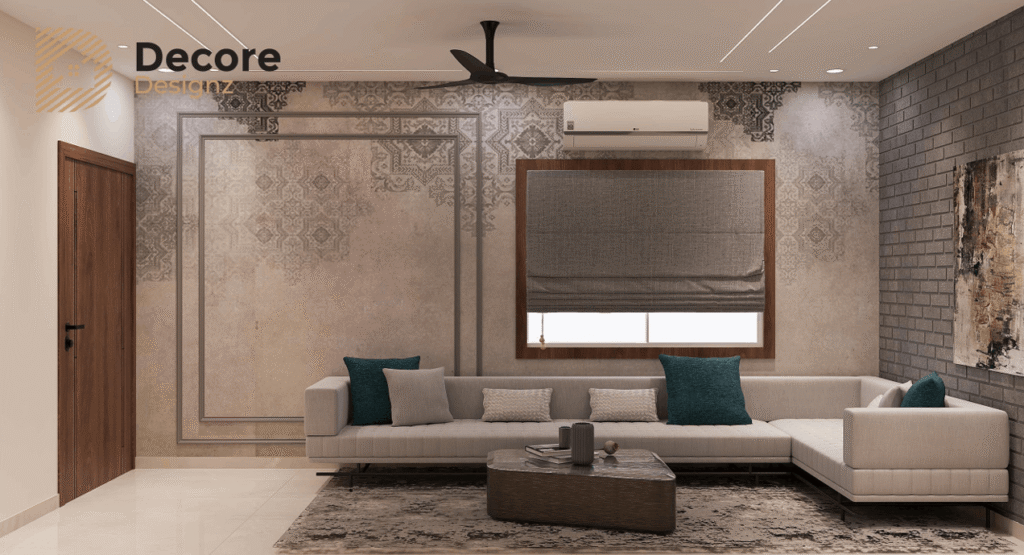
Which Living Room Wall Design Is Right for Your Home?
There is no single wall treatment that suits every living room. A simple painted wall may be enough for a compact apartment, while a larger room may benefit from panels or a carefully designed feature wall.
Use these basic guidelines when comparing options:
- Choose paint when you want a clean finish, flexible colour choices and relatively straightforward maintenance.
- Choose decorative panels when you want depth, a focal point or a structured design.
- Choose wall tiles when the material, finish and intended application suit the room and the surface needs to be easy to clean.
- Choose textured finishes when you want visual interest without adding several decorative elements.
- Combine materials selectively when the wall needs more than one finish, but make sure the combination has a clear purpose.
The goal is not to make every wall stand out. Instead, choose a treatment that supports the room’s layout and gives the eye a natural focal point.
1. Paint: A Versatile Option for Living Room Walls
Paint remains one of the most adaptable living room wall design options. It works across contemporary, traditional and minimalist interiors, and it allows you to change the room’s appearance without introducing a complicated surface treatment.
When should you choose painted walls?
Paint is a practical starting point when the room already has enough visual detail from furniture, flooring or architectural features. It can also help a compact living room feel more cohesive because the walls remain visually simple.
You can use one colour throughout the room or introduce a different shade on a single wall. However, the second approach works best when the selected wall has a clear role, such as defining the seating area or drawing attention to an architectural feature.
What should you consider before painting?
The same paint colour can look different under daylight and artificial lighting. Therefore, test samples in the actual room before making a final decision.
Also consider the wall’s condition. Uneven surfaces, cracks and visible repairs may need attention before painting. A new colour alone will not solve underlying surface problems.
Best suited to: Homeowners who want flexibility, a clean appearance and a finish that can be refreshed as their preferences change.
2. Decorative Wall Panels: Add Depth and Structure
Decorative panels introduce dimension to a living room wall. Depending on the material and layout, they can create a subtle background or become the main feature of the space.
Common options include wooden-look panels, fluted panels, moulded panels and other decorative surface systems. Each creates a different visual effect, so the choice should reflect the room’s proportions and the desired level of detail.
Are wooden and fluted panels suitable for living rooms?
Wooden-look finishes can add warmth, while fluted panels create repeated vertical lines that bring rhythm to a wall. Both can work well behind a seating arrangement or on a selected feature wall.
However, panel design should be proportionate to the available space. Heavy patterns and dark finishes may dominate a small room, particularly when combined with elaborate furniture or a detailed ceiling.
Before installation, confirm the panel material, fixing method, edge finishing and maintenance requirements. Also consider how the treatment will meet switches, sockets and adjoining surfaces.
Best suited to: Living rooms that need a defined focal point or a more architectural finish.
How can you avoid overusing wall panels?
Use panels where they solve a design problem or strengthen the room’s visual structure. Covering every wall can make the space feel busy and reduce the impact of the feature itself.
For example, a restrained panel treatment on one wall may be more effective than repeating the same design throughout the room. The final decision should account for the wall’s width, furniture placement and available light.
3. Wall Tiles: A Distinctive and Easy-to-Clean Finish
Tiles can create a crisp, structured appearance and offer a wide range of surface patterns and finishes. Depending on the product, they may imitate stone, concrete or other materials.
Nevertheless, tiles are not automatically the best choice for every living room wall. Their suitability depends on the intended application, surface preparation, installation method and overall design.
Where can wall tiles work well?
Tiles may be considered for a selected feature wall where their material and finish complement the interior. They can also help create visual continuity when coordinated carefully with other hard surfaces.
Before selecting them, review the tile’s weight, dimensions, surface finish, fixing requirements and the condition of the existing wall. Proper installation matters because uneven alignment or poorly finished edges can undermine the result.
What are the limitations of tiled walls?
Tiles can feel visually cold or heavy if the pattern, scale or finish does not suit the room. Grout lines also influence the overall appearance and may require regular cleaning.
In addition, removing or changing a tiled feature can involve more work than repainting a wall. Consider whether the design is likely to remain suitable as your furniture and interior preferences evolve.
Best suited to: Homeowners who want a defined surface treatment and are comfortable committing to its material, pattern and installation requirements.
4. Textured Walls: Add Interest Without Excess Decoration
Textured finishes create variation through surface detail rather than colour alone. Options may include plaster-style effects, subtle patterns, concrete-look finishes and other decorative coatings.
The result can be understated or dramatic, depending on the material and how the light falls across the wall.
When does a textured wall work best?
Texture can be useful when a plain painted wall feels too flat but decorative panels would add too much structure. A subtle finish can introduce depth while keeping the room’s overall design restrained.
Lighting is especially important. Side lighting can highlight texture and make small surface variations more noticeable. Therefore, evaluate the finish under the lighting conditions that the room will actually use.
What should you check before choosing a texture?
Ask how the finish is applied, whether the existing surface needs special preparation and how the wall can be cleaned or repaired later.
Some textures are harder to maintain than smooth paint, particularly in areas exposed to frequent contact or dust. A highly pronounced finish can also become distracting when repeated across several walls.
Best suited to: Rooms that need surface character without adding multiple materials or elaborate decorative elements.
5. How Do You Choose the Right Finish for a TV or Feature Wall?
A living room feature wall should support the room’s main activity rather than compete with it. The wall behind the television is one common example, but it should not automatically receive the most elaborate treatment.
Paint can create a quiet background, panels can introduce depth, and selected textures can add subtle character. Tiles may also be considered when their finish and installation suit the intended application.
Before choosing, consider the following:
- Screen placement: Keep the television’s position and viewing comfort central to the layout.
- Glare: Avoid finishes or lighting arrangements that create distracting reflections on the screen.
- Cable access: Plan the position of wiring, sockets and service access before finalising the wall treatment.
- Storage: Account for the size and placement of the TV unit, shelves and concealed storage.
- Visual balance: Make sure the feature wall works with the sofa, surrounding walls and ceiling rather than becoming an isolated design element.
For more detailed guidance on the furniture and storage arrangement, see our TV unit design for living room article.
6. How Should You Combine Paint, Panels, Tiles and Textures?
Combining finishes can make a living room wall more distinctive, but every additional material introduces another design decision. The most successful combinations have a clear hierarchy: one finish leads, while the others support it.
For example, painted surfaces can balance a panelled feature, while a restrained textured finish can add depth without requiring a second decorative element. A tiled section may work where its appearance and practical requirements suit the chosen wall.
When planning a combination, check these details:
- Colour relationship: Make sure the finishes share a compatible palette.
- Scale: Large patterns need enough space to read clearly. Small or narrow walls may benefit from simpler treatments.
- Material transitions: Plan corners, edges and junctions so the finishes meet cleanly.
- Lighting: Check how natural and artificial light affect the colour, texture and reflectivity of each surface.
- Maintenance: Consider whether all the selected finishes can be cleaned and repaired using practical methods.
- Long-term flexibility: Think about whether the combination will still work if the room’s furniture or colour scheme changes.
A useful rule is to start with the main finish, then add another only when it improves the composition or serves a practical purpose.
7. Common Living Room Wall Design Mistakes to Avoid
Even attractive materials can produce a disappointing result when they are selected without considering the whole room.
Treating every wall as a feature: Multiple statement walls can compete for attention. Identify the main focal point and let the remaining surfaces support it.
Choosing finishes from photographs alone: Online images may use different lighting, room proportions and camera settings. Check physical samples in your own space wherever possible.
Ignoring maintenance: Deep textures, visible grout and certain surface finishes may need more care than expected. Ask about cleaning and repair before choosing.
Forgetting electrical points: Switches, sockets, television connections and lighting positions should be planned before panels or tiles are installed.
Overlooking natural light: Dark or reflective finishes may look very different in a bright room compared with a room receiving limited daylight.
Selecting materials independently: Wall finishes should coordinate with the room’s flooring, furniture, lighting and other permanent elements. A finish that looks attractive on its own may not work in the completed space.
8. How Does Decore Designz Studio Approach Living Room Wall Design?
A wall treatment should be selected as part of the complete room plan. The available wall area, furniture arrangement, lighting, electrical requirements and adjoining finishes all influence the final decision.
Decore Designz Studio plans residential interiors around the way people use their homes. For a living room, that means considering how a wall treatment will look in the space and how it will function after installation.
If you are planning a complete room rather than a single wall, explore our living room interior design service in Hyderabad. The overall layout can then guide the choice of paint, panels, tiles or textures.
Plan a Living Room Wall That Fits Your Home
The best living room wall design is one that balances appearance, practicality and the character of your home. Paint, panels, tiles and textures each offer different advantages, so compare them against your room’s light, proportions, maintenance needs and overall interior plan before committing.
Planning a living room in Hyderabad? Contact Decore Designz Studio to discuss your space, preferred finishes and design requirements.
Decore Designz Studio
Fourth Floor, Bhagyalaxmi Construction, KM Cube Building, 401, Ghousia Masjid Rd, Ramakrishnapur, Weaker Section Colony, Izzathnagar, HITEC City, Khanammet, Hyderabad, Telangana 500084
Phone: +91 96182 18055
Email: decoredesignzstudio@gmail.com
Frequently Asked Questions
Which wall design is best for a small living room?
Paint or a restrained textured finish can be a good starting point because they keep the design relatively simple. Panels may also work when their pattern and scale suit the room. Check the finish under the room’s actual lighting before deciding.
Are wall panels better than paint?
Neither is universally better. Paint offers flexibility and a straightforward appearance, while panels introduce more structure and depth. The right option depends on the wall’s purpose, desired look and maintenance requirements.
Are tiles suitable for a living room wall?
Tiles can work on selected feature walls when the product, installation method and design suit the space. Consider weight, fixing requirements, grout maintenance and how easily the treatment could be changed later.
How do I make a living room wall look modern?
Start with a clear focal point, a coordinated colour palette and a finish that suits the room’s proportions. Clean lines and well-planned lighting can often create a more considered result than adding several decorative materials.
Should the TV wall have a different finish?
It can, but it does not have to. A distinct finish may help define the television area, provided it does not create glare or compete with the screen. Cable access, storage and viewing comfort should guide the design.