

Aesthetic Bedroom Design Ideas for a Calming Space
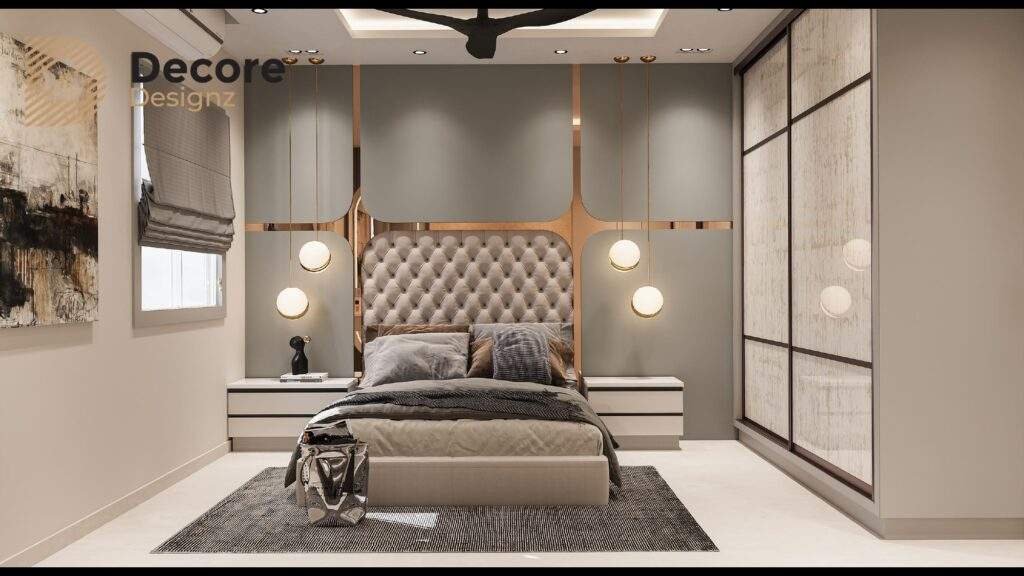
A calming bedroom does not need expensive decor, elaborate wall panels or a perfectly styled bed. The best aesthetic bedroom designs bring together colours, textures, lighting, furniture and personal details that feel consistent with one another. Whether you prefer warm neutrals, natural materials, a minimalist look or a soft contemporary style, the aim is to create a room that feels comfortable to return to at the end of the day.
What makes a bedroom aesthetic and calming?
An aesthetic bedroom has a clear visual direction. Its colours complement one another, furniture suits the available space, lighting creates the right atmosphere, and decorative elements feel intentional rather than scattered.
A calming bedroom also works in everyday life. Storage is accessible, surfaces are manageable, and the layout supports the way you use the room. A beautiful bedroom that is difficult to maintain or uncomfortable to move around in is not well designed.
Here are practical ways to create that balance.
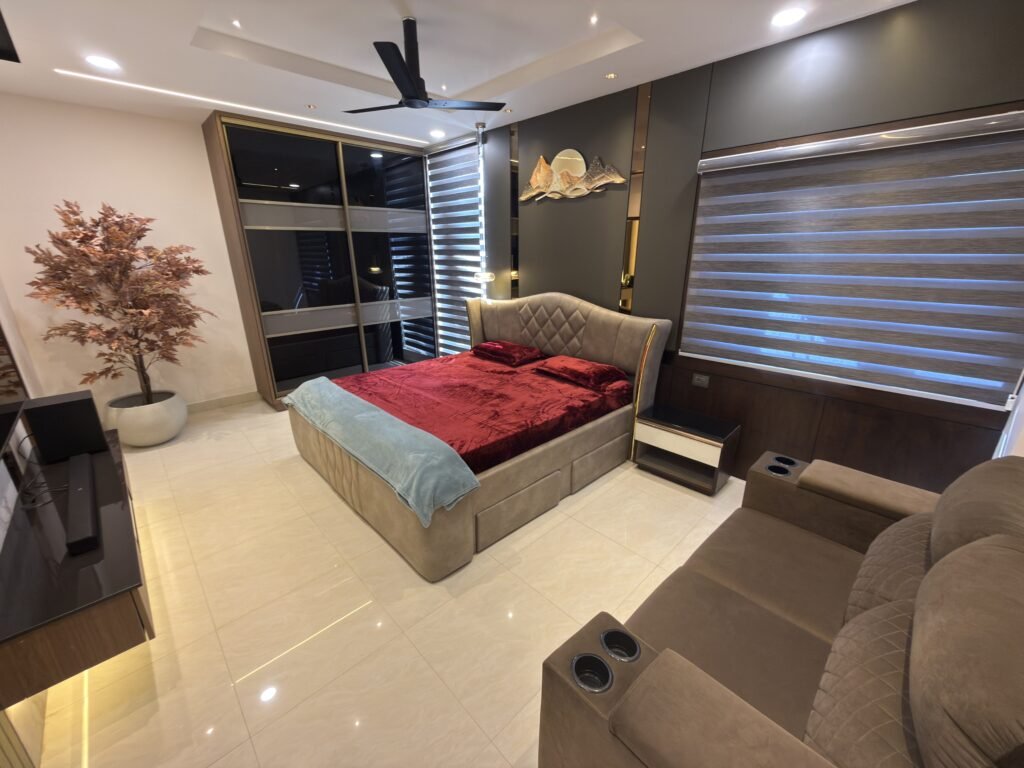
7 aesthetic bedroom design ideas to create a calmer space
1. Start with a colour palette that feels cohesive
Colour establishes the mood of a bedroom before you add furniture or decor. Warm white, beige, muted greige, soft brown and pale wood can create a relaxed foundation. Muted green and dusty blue offer alternatives when you want colour without a visually busy result.
Choose one main wall colour, a complementary colour for larger furniture or textiles, and a smaller accent for contrast. This gives the room a consistent appearance without making every element identical.
For example, warm white walls can work with beige bedding, walnut-toned furniture and a muted green cushion. The colours differ, but their visual warmth helps them sit together.
Pay attention to undertones. A cool grey wardrobe may look disconnected beside strongly yellow-toned walls, even when both colours appear neutral individually.
For more combinations, explore bedroom colour design ideas. Use the existing colour-trends article as a related resource rather than turning this post into a comprehensive colour-pairing guide.
2. Use natural textures to make the room feel warmer
A calming room often benefits from a mixture of surfaces rather than a single finish repeated everywhere.
Consider combining:
- Wood or wood-finish furniture for visual warmth.
- Cotton or linen-look bedding for a softer appearance.
- A textured rug where it suits the layout.
- Matte finishes on selected furniture or walls.
- A small number of ceramic, woven or natural-fibre accessories.
The key is contrast in texture, not quantity of decor.
For instance, a smooth wardrobe finish can balance textured bedding and a fabric headboard. If the headboard, curtains, wallpaper and furniture all have strong patterns or pronounced textures, the room can begin to feel crowded.
Material selection should also reflect maintenance. Fabric finishes can feel inviting but may collect dust or require more care than hard surfaces. Wood finishes vary in grain, colour and sheen, so view samples together before finalising them.
3. Choose furniture that leaves the room breathing
Aesthetic bedroom design is not about filling every empty corner. Furniture should support the room’s purpose while leaving comfortable routes for movement.
Start with the bed, then position the wardrobe and bedside storage. Add a dressing unit, bench or accent chair only if it serves a clear purpose and does not obstruct access.
In a compact bedroom, a simple bed frame and streamlined bedside tables may work better than bulky furniture with decorative detailing. A larger bedroom can accommodate more substantial pieces, but it still benefits from a clear visual hierarchy.
Keep the largest furniture pieces relatively consistent in finish. A coordinated bed, wardrobe and side table can make the room feel more organised without requiring matching furniture sets.
If you are selecting furniture for a bedroom from scratch, plan its dimensions and placement before choosing decorative accessories.
4. Layer lighting for different moments of the day
Lighting has a major effect on how a bedroom looks and feels. A single bright ceiling light may provide general visibility, but it can leave the room feeling flat when you want a softer evening atmosphere.
Consider three functions:
General lighting: Provides sufficient light for everyday activities and moving around the room.
Task lighting: Bedside reading lights or lighting near a dressing area help with specific activities.
Accent lighting: Concealed LEDs or a carefully illuminated feature can add depth when glare is controlled.
Warm-white lighting is often suitable for a relaxed bedroom atmosphere, although the final choice should work with the wall colours, furniture finishes and the light needed for practical tasks.
Plan the positions of switches, sockets and concealed lighting before the furniture and ceiling work is completed. Adding lighting after the layout is fixed can result in awkward cable routes or lights that do not illuminate the intended area.
A decorative false ceiling is not essential. A straightforward ceiling with well-positioned fixtures can look just as considered.
5. Keep the bed wall simple but intentional
The wall behind the bed often becomes the natural focal point of a bedroom. It does not need multiple decorative elements to stand out.
Depending on the room, you could use a restrained paint contrast, a fabric headboard, a subtle textured finish or a simple wood-finish panel. The best option depends on the room’s proportions and the finishes used elsewhere.
A feature wall should relate to the wardrobe, floor and bedding rather than compete with them. If the furniture already has a strong wood grain or prominent detailing, a quieter wall treatment may create a better balance.
Avoid adding wall panels purely because they appear in inspiration photographs. They should have a clear visual purpose and suit the actual room.
For more specific treatment options, see bedroom wall decor ideas.
6. Use soft furnishings to add depth without clutter
Bedding, curtains, cushions and rugs can change the mood of a bedroom without requiring a complete redesign.
Start with the larger textiles. Choose bedding and curtains that complement the main palette, then introduce a limited amount of contrast through cushions or a throw.
Layering works best when the materials and colours have a relationship. A neutral bedspread with textured cushions can look more cohesive than several unrelated prints competing for attention.
Curtains also need to suit the window and the room’s light requirements. Heavy fabrics can create a richer appearance but may reduce daylight when drawn. Lighter fabrics can preserve brightness, although they may offer less privacy or light control.
Choose according to how you use the bedroom, not only how the fabric looks in a photograph.
7. Add personal details that make the bedroom yours
A calming bedroom should feel personal rather than like a showroom.
A framed photograph, a piece of art, a meaningful object or a small collection of books can make the room feel lived in. Choose a few items that matter to you instead of displaying everything at once.
Plants can introduce a natural element if the room has suitable light and you are comfortable maintaining them. If the bedroom receives little daylight, choose decor that does not depend on plant care or force a plant into an unsuitable position.
Keep frequently used surfaces practical. A bedside table needs space for everyday essentials, and decorative objects should not prevent it from serving that function.
The goal is not an empty room. It is a room where each visible item has a reason to be there.
Which aesthetic bedroom style should you choose?
Different styles can create a calming atmosphere. The right choice depends on your preferences, existing furniture, natural light and willingness to maintain the finishes.
Bedroom style | Typical design elements | What to watch for |
Minimalist | Simple furniture, restrained colours, limited decor | Too little texture can make the room feel unfinished |
Warm contemporary | Neutral colours, clean lines, wood finishes | Too many contrasting finishes can disrupt cohesion |
Natural and organic | Wood, tactile fabrics, earthy colours | Natural-looking materials still need practical maintenance |
Soft neutral | Beige, warm white, subtle patterns | Similar shades can clash if their undertones differ |
Modern luxury | Refined finishes, layered lighting, carefully selected details | Excessive glossy surfaces or decorative elements can feel visually heavy |
You do not have to follow one style strictly. A contemporary bedroom can include natural textures, while a minimalist room can use warm colours and soft fabrics.
Choose a consistent foundation and introduce other influences selectively.
How can you make an aesthetic bedroom work in an Indian home?
Bedroom design should account for local living conditions, available space and everyday routines rather than copying a reference image exactly.
In Hyderabad homes, consider how direct sunlight affects wall colours and fabrics, how much ventilation the room receives, and how much storage the household needs. Window coverings should balance daylight, privacy and heat control according to the room’s orientation and exposure.
Practical storage matters too. Plan wardrobes around clothing, bedding and other household items instead of relying on decorative open shelving for everything. Keep frequently used items accessible and reserve higher or less convenient storage for occasional use.
Material samples should be viewed in the actual room where possible. Daylight and artificial lighting can change how a finish appears, and a colour that looks subtle online may feel much stronger on a full wall.
For a bedroom that forms part of a larger apartment, the design should also relate to the home’s overall palette without making every room identical.
What should you avoid when creating an aesthetic bedroom?
A few common mistakes can undermine an otherwise good design.
- Copying an inspiration image exactly: The reference room may have different dimensions, lighting or furniture requirements.
- Mixing too many finishes: Multiple wood tones, glossy surfaces and competing textures can make the room feel unsettled.
- Using only decorative lighting: Ambient mood lighting should not replace the light needed for dressing and everyday tasks.
- Choosing furniture for appearance alone: Bulky pieces can obstruct movement or reduce useful storage access.
- Overstyling bedside surfaces: Too many objects make routine cleaning and use more difficult.
- Ignoring maintenance: Fabrics, textured finishes and open shelving may require more frequent care.
- Treating neutral as colourless: A room can look flat if every surface has the same tone and texture.
A better approach is to establish the layout first, select a cohesive palette, and then introduce lighting, textiles and personal details in stages.
How does Decore Designz Studio approach bedroom design?
Decore Designz Studio has been designing residential interiors since 2014, with an emphasis on combining visual design with practical planning and execution.
For a bedroom, the design needs to account for more than the appearance of the headboard or the colour of the walls. Furniture placement, wardrobe access, electrical points, material selection and lighting all influence the finished result.
You can explore the luxury bedroom interior design project in Hyderabad for a relevant example of the studio’s bedroom-design work. Refer to the actual project photographs and published details when assessing its specific finishes or layout decisions.
If you are planning a bedroom as part of a complete home, the interior design services offered by Decore Designz Studio provide a starting point for discussing the wider requirements.
Create a bedroom that feels right for you
The most successful aesthetic bedroom designs are not defined by a particular trend or a long list of accessories. They come from thoughtful choices about colour, texture, furniture, lighting and the details that make a room personal.
Decore Designz Studio designs residential interiors around how people actually live. If you are planning a bedroom or a complete home interior in Hyderabad, get in touch with Decore Designz Studio to discuss your requirements and explore a design suited to your home
Frequently Asked Questions
What makes a bedroom look aesthetic?
A cohesive colour palette, suitable furniture, layered lighting, complementary textures and a few personal details help create an aesthetic bedroom. The room should also remain practical and comfortable to use.
Which colours are best for a calming bedroom?
Warm white, beige, muted green, soft brown and dusty blue are useful starting points. The best combination depends on natural light, furniture finishes and the atmosphere you want to create.
How do I make my bedroom look aesthetic without adding too much decor?
Start by organising visible surfaces, coordinating the main finishes and choosing suitable bedding and lighting. Add only a few meaningful decorative elements rather than filling every wall or shelf.
Can a small bedroom have an aesthetic design?
Yes. A small bedroom can feel cohesive through carefully selected furniture, a restrained palette, practical storage and well-positioned lighting. Avoid furniture that blocks movement or overwhelms the available space.
Is minimalist bedroom design the same as aesthetic bedroom design?
No. Minimalism is one possible style within aesthetic bedroom design. Aesthetic bedrooms can also be warm contemporary, natural, vintage-inspired or more decorative, provided the elements work together.
How can I make my bedroom feel cosy at night?
Use comfortable bedding, suitable curtains, soft furnishings and layered lighting. A bedside light can create a more relaxed atmosphere than relying exclusively on a bright overhead fixture.
Should bedroom furniture and wall colours match exactly?
No. They should complement each other rather than match perfectly. Differences in tone and texture can add depth as long as the overall palette remains cohesive.