

5 Luxury Interior Design Trends to Elevate Your Home Decor
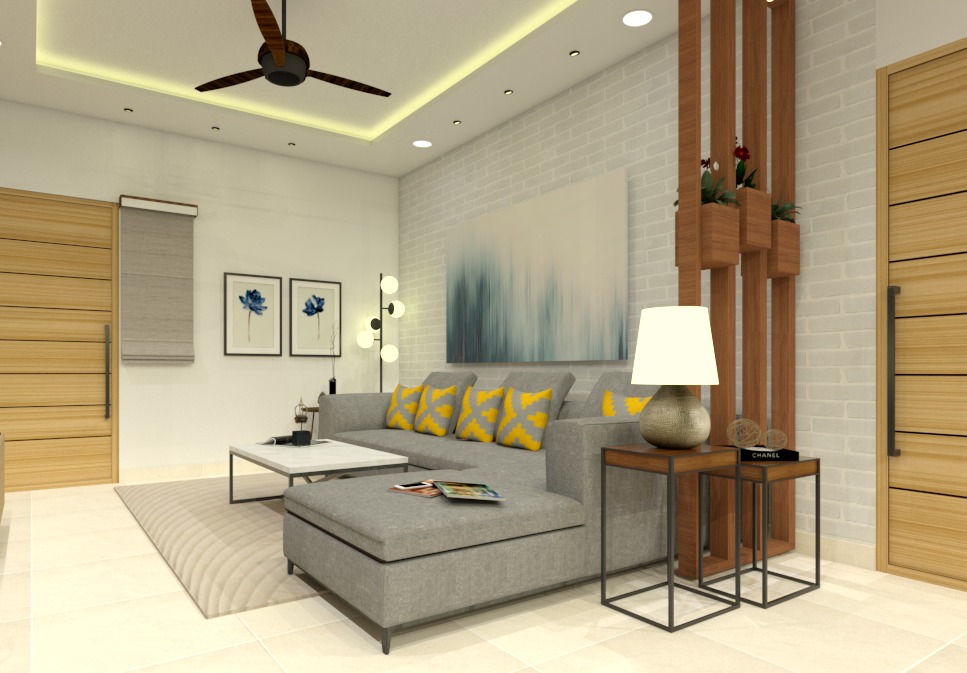
Luxury Interior Design Trends Worth Considering for 2026 The best luxury interior design trends are not necessarily the most dramatic ones. For a home, the useful trends are the ones that improve how the space looks and feels without making it difficult to live in. In 2026, a more considered approach to luxury interiors is about warm materials, layered lighting, customised furniture, natural textures and stronger attention to proportion. The important question is not simply whether something is trending. It is whether it makes sense for your home, your lifestyle and the way you use the space. At Decore Designz Studio, we approach luxury interiors in much the same way: design should feel refined, but it should still work on an ordinary day. 1. Warm Minimalism Instead of Cold Minimalism Minimalism is not going away. The difference is in how it is being used. A completely stark interior with bare surfaces, limited colour and very little visual texture can look impressive in photographs but may feel cold when you live in it. Warm minimalism keeps the clean planning of minimalism but introduces more natural texture and warmth. Think: Warm beige, taupe and earthy neutrals Wood or veneer detailing Soft upholstery Textured walls Carefully selected artwork Concealed or integrated storage Fewer decorative objects, but better-selected ones The goal is not to make the room empty. It is to make every element earn its place. This approach works particularly well in apartments, where visual clutter can make an already compact room feel smaller. Decore Designz also works with minimalist and modern interiors, but the practical consideration remains the same: storage, furniture proportions and movement need to be resolved before the decorative layer is added. You can explore our modern interior design in Hyderabad work for a broader look at how contemporary and minimalist ideas can be applied to residential spaces. 2. Natural Materials and Tactile Finishes Luxury is increasingly being expressed through texture rather than decoration. Wood, veneer, stone, textured surfaces and carefully selected fabrics can give a room depth without requiring excessive ornamentation. A useful combination might include a warm wood finish with a stone surface, a textured wall treatment and soft upholstery. Each material contributes something different. The important part is restraint. Using five different finishes in one room does not automatically make it luxurious. They need to relate to one another in colour, texture and scale. Material selection should also consider use. A kitchen surface faces moisture, heat and frequent cleaning. A bedroom wall does not. A wardrobe finish has different maintenance requirements from a decorative wall panel. That is why material selection should happen as part of the design process rather than as an afterthought. 3. Layered Lighting Over a Single Ceiling Light Lighting is one of the easiest ways to change the character of a luxury interior. A single bright ceiling light may illuminate a room, but it rarely creates much atmosphere. Layered lighting uses different sources for different purposes. Ambient lighting Provides the general illumination needed to use the room comfortably. Task lighting Supports specific activities such as reading, cooking, dressing or working. Accent lighting Highlights artwork, textures, architectural details or selected furniture. This allows the same room to feel different during the day and at night. For example, a living room can have functional ambient lighting for everyday use while concealed lighting, wall lights or accent fixtures create a softer atmosphere in the evening. The important point is to plan lighting alongside the furniture and ceiling design. Adding lights after everything else has been finalised often limits what can actually be achieved. 4. Custom Furniture That Fits the Home One of the strongest luxury interior design trends is the move away from interiors that look like a collection of catalogue products. Custom furniture allows the design to respond to the actual room. A TV unit can be sized around the wall and viewing distance. A wardrobe can be planned around the clothes and storage habits of the person using it. A study unit can be designed around the available width rather than forcing a standard desk into the room. Customisation is particularly useful when: The room has unusual dimensions Storage requirements are high Furniture needs to perform more than one function The homeowner wants a consistent material palette Standard furniture leaves awkward gaps But custom does not mean complicated. A simple, well-proportioned piece can look more refined than an elaborate unit covered in unnecessary details. This is where luxury design benefits from restraint: the value is in the fit, proportion, material and execution. 5. One Cohesive Material and Colour Language Across the Home Another direction worth considering is stronger visual continuity between rooms. Instead of designing every room around a different theme, homeowners are increasingly able to create a more connected home through repeated materials, colours, hardware and detailing. This does not mean every room should look identical. A bedroom can be softer than the living room. A kitchen can be more functional. A study can have its own character. But selected elements can connect the spaces. For example: Living room: warm wood + neutral upholstery Kitchen: related wood tone + complementary cabinet finish Bedroom: same wood family + softer fabric tones Wardrobes: coordinated finish and hardware The result is a home that feels designed as one project rather than decorated room by room. What These Luxury Trends Look Like in a Real Hyderabad Home A useful example from Decore Designz is the My Home Krishe 3BHK in Gachibowli. The 1,500+ sq. ft. apartment was designed with a focus on modern elegance and everyday functionality. The project considered furniture placement, storage, circulation, material and finish coordination and lighting as connected parts of the interior rather than isolated decisions. That distinction matters. A luxury interior does not become luxurious simply because premium materials are added. The space still needs to work. In My Home Krishe, the design direction was carried consistently through the residence so the individual rooms retained their function while maintaining a connected
5 Luxury Interior Design Trends to Elevate Your Home Decor Read More »