

Why Custom Furniture Matters: Benefits, Ideas and Planning Tips
At a glance
- Better space utilisation: Custom furniture can be designed around the actual dimensions and layout of your home.
- Personalised functionality: Storage, compartments, furniture dimensions and finishes can be planned around your daily routines.
- Design consistency: Made-to-measure furniture can help connect different rooms through a considered material and colour palette.
- Important trade-offs: Custom furniture requires detailed planning, accurate measurements and coordination during execution. It is not automatically cheaper or better than ready-made furniture.
Why Is Custom Furniture Important for Your Home?
Custom furniture for home interiors allows you to plan furniture around your available space, storage requirements, lifestyle and design preferences instead of adjusting your home around standard furniture dimensions.
From wardrobes and TV units to beds, study desks and dining furniture, custom-made pieces can provide a more suitable combination of appearance, functionality and proportions. The greatest benefit is not simply getting something unique. It is getting furniture that serves a clear purpose in your home.
At Decore Designz Studio, we believe a well-designed home should feel personal and comfortable, not like a showroom. Furniture should support how you live, whether that means keeping everyday items accessible, organising a wardrobe or making a living room easier to move around in.
1. Better Use of Available Space
One of the main benefits of customised furniture is its ability to fit the actual dimensions of a room.
Ready-made furniture is generally available in standard sizes. These dimensions may work perfectly well in some homes, but they can create problems in rooms with narrow walls, awkward corners, structural projections or limited circulation space.
Custom furniture allows the design to respond to these conditions.
For example, a wardrobe can be planned around the available wall width and ceiling height. A TV unit can accommodate the television, concealed wiring, storage and other equipment without occupying more floor space than necessary. A study desk can fit into an unused corner without obstructing a doorway.
The important point is to measure the room carefully and account for skirting, electrical points, doors, windows and furniture clearance before finalising the design.
2. Storage Designed Around Your Needs
Storage is more useful when it reflects what you actually own and how you use it.
A standard wardrobe might provide hanging space and shelves, but your requirements could include long garments, folded clothing, accessories, luggage, seasonal items or frequently used belongings that need to remain accessible.
Customised furniture gives you more control over the internal arrangement.
Consider these applications:
- Wardrobes: Plan hanging sections, drawers, shelves and accessory storage around your clothing.
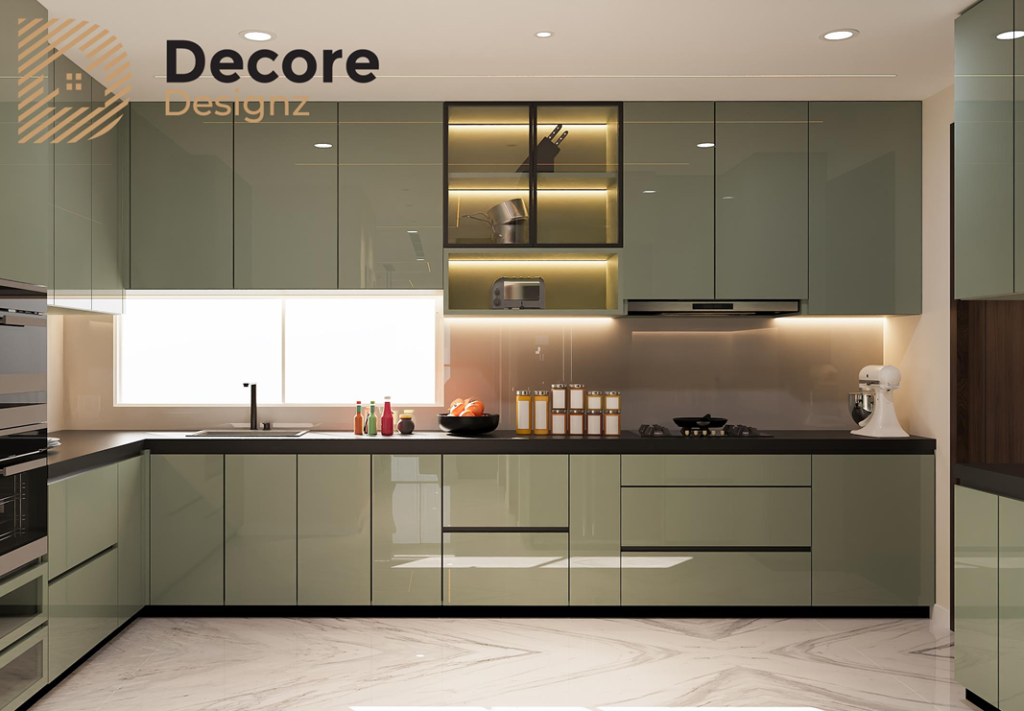
- Kitchen cabinets: Organise utensils, cookware, pantry items and appliances according to your cooking habits.
- TV units: Combine concealed storage with space for devices, cables and selected display items.
- Study desks: Include suitable work surfaces, drawers, bookshelves and cable management.
- Beds: Consider under-bed storage where the room layout and access requirements make it practical.
Good storage design starts with understanding what needs to be stored. Adding more cabinets without considering their contents can make a room feel crowded without making it more organised.
3. A Design That Matches Your Home
Furniture has a significant influence on the character of an interior.
The proportions of a bed, the finish of a wardrobe, the shape of a dining table and the detailing of a TV unit all affect how a room feels. When these elements are selected independently, their colours, dimensions and styles may not work well together.
Custom furniture can help create a more consistent interior by coordinating materials, finishes, proportions and detailing.
Depending on the design direction, this could mean combining warm wood finishes with neutral colours, using clean-lined furniture in a contemporary home, or incorporating more detailed finishes in a refined luxury interior.
Consistency does not mean every piece must look identical. Different rooms can have their own character while sharing a few design elements that connect the home.
4. Greater Control Over Materials and Finishes
When furniture is made to order, you can evaluate materials and finishes according to the intended application rather than choosing only from the options available in a ready-made product.
However, material selection requires more than choosing a colour or texture.
Consider the following:
Furniture application | What to evaluate |
Kitchen cabinets | Moisture exposure, board specification, edge treatment, hardware and cleaning requirements |
Bedroom wardrobes | Structural stability, shutter weight, internal layout, finish durability and hardware |
Living room furniture | Appearance, proportions, surface maintenance and expected use |
Study desks | Work surface dimensions, stability, cable management and storage |
Bed frames | Structural support, joinery, load requirements and ease of maintenance |
Plywood, MDF, laminates, veneers and other materials have different properties and applications. None should be selected solely because it is marketed as premium.
For instance, veneer provides a natural wood appearance, while laminate offers a manufactured decorative surface with a wide range of patterns. The appropriate choice depends on the design, construction, exposure conditions and maintenance expectations.
Ask your interior designer to specify the material, finish and relevant hardware clearly before approving the furniture design.
5. Furniture That Supports Everyday Living
The best furniture decisions often come from ordinary routines rather than decorative trends.
A family that cooks frequently may need a different kitchen storage arrangement from a household that uses the kitchen occasionally. Someone working from home may need a dedicated desk, task lighting and accessible cable connections. A family with children may prioritise durable surfaces and storage that is easy to reach.
These requirements should influence the furniture from the beginning.
For example, a custom study desk should not be judged only by how it looks against the wall. Its height, usable work surface, seating clearance, lighting and electrical access matter just as much.
Similarly, a bedroom wardrobe should be planned around the bed position, walking space and door operation. A large wardrobe is not useful if opening its shutters makes the room difficult to navigate.
6. Is Custom Furniture Better Than Ready-Made Furniture?
Neither option is automatically better. The right choice depends on your space, requirements, budget and timeline.
Factor | Custom-made furniture | Ready-made furniture |
Dimensions | Can be tailored to the space | Available in standard sizes |
Design | More control over appearance and detailing | Limited to available designs |
Storage | Internal layout can be customised | Depends on the selected product |
Delivery | Requires design, production and installation | Often quicker if in stock |
Cost | Depends on specifications and complexity | Depends on brand, materials and product |
Flexibility | Can address specific room constraints | May require compromises in fit |
Future relocation | Built-ins may be difficult to move | Freestanding pieces are generally easier to relocate |
A practical approach is to combine both.
Built-in wardrobes, kitchen cabinets and TV units may benefit from made-to-measure construction. Freestanding chairs, side tables, decorative pieces and selected dining furniture may be easier to purchase ready-made.
This avoids spending money on customisation where standard furniture already meets the requirement.
7. What Should You Consider Before Ordering Custom Furniture?
Customisation gives you more choices, but it also requires more decisions. Addressing the following points early can prevent avoidable problems.
Define the purpose
Identify what the furniture needs to do before discussing its appearance. List the items it must accommodate, the people using it and any specific functional requirements.
Measure the space accurately
Furniture dimensions must account for the actual site conditions. Measurements taken before flooring, wall finishes or other work is complete may need to be verified before manufacturing.
Finalise the layout and drawings
Review the furniture dimensions, internal storage arrangement, shutter openings, drawers, electrical provisions and clearances. Confirm these details before production begins.
Choose materials for their application
Compare durability, appearance, maintenance, construction requirements and cost. A material suitable for a decorative panel may not be the right choice for every cabinet component.
Confirm the hardware and finish
Hinges, drawer channels, handles and other fittings affect how furniture operates. Make sure the agreed specifications are documented, rather than relying only on a visual reference or 3D render.
Understand the full scope
Clarify what is included in the quotation, such as manufacturing, delivery, installation, finishing and any associated electrical or civil work. The exact scope varies by project.
Allow time for execution
Custom furniture requires coordination between design, measurement, material procurement, fabrication and installation. Changes made after manufacturing begins can lead to delays, additional costs or rework.
8. How Custom Furniture Fits Into a Complete Home Interior
Custom furniture works best when it is planned as part of the wider interior design rather than treated as a separate purchase.
At Decore Designz Studio, our residential interior approach connects space planning, furniture, storage, materials, lighting and execution. This helps ensure that individual pieces work together within the finished home.
Our modern residential interior project in Kokapet demonstrates how customised furniture can be incorporated into a contemporary home while keeping the overall design practical and cohesive.
The process generally involves understanding the homeowner’s requirements, developing the layout, finalising the furniture design and material specifications, and coordinating the work through execution.
If you are planning a complete home, explore our interior design services in Hyderabad to understand how furniture, storage and other interior elements can be considered together.
Plan Furniture Around the Way You Live
Custom furniture is most valuable when it solves a real problem. It might create more usable storage, make a difficult corner functional, improve the working arrangement of a kitchen or bring greater consistency to a home’s design.
The objective is not to customise every piece of furniture. It is to identify where a tailored solution makes a meaningful difference and where a ready-made option is sufficient.
Planning a premium home interior in Hyderabad? Explore Decore Designz Studio’s interior design services or contact our team to discuss your home, furniture requirements and overall design plans.
Decore Designz Studio
Phone: +91 96182 18055
Email: decoredesignzstudio@gmail.com
Frequently Asked Questions
What are the main benefits of custom furniture?
Custom furniture can improve space utilisation, provide storage suited to your belongings, offer greater control over dimensions and finishes, and create a more cohesive interior. Its value depends on how well the design addresses a genuine requirement.
Is custom furniture more expensive than ready-made furniture?
Not always. The cost depends on dimensions, materials, hardware, construction complexity, finish and installation requirements. Compare quotations based on equivalent specifications and scope rather than price alone.
Which furniture is best suited for customisation?
Built-in wardrobes, kitchen cabinets, TV units, study desks and furniture for unusually shaped spaces are common candidates. Customisation is most useful when standard dimensions or storage arrangements do not meet your requirements.
Is custom furniture suitable for small apartments?
Yes. Made-to-measure furniture can help use available space efficiently, especially for wardrobes, storage units and study areas. However, it still needs adequate clearance and should not make circulation or everyday access difficult.
How long does custom furniture take to complete?
The timeline varies according to the number of pieces, design complexity, material availability, manufacturing arrangements and site readiness. Ask for a project-specific schedule and confirm when measurements, drawings and material specifications must be finalised.
Can custom furniture match the rest of my home interiors?
Yes. Furniture dimensions, colours, materials, finishes and detailing can be coordinated with the flooring, walls, lighting and other interior elements. Final samples and specifications should be approved before manufacturing.