

Designing a Bedroom with the Bed Facing a Window
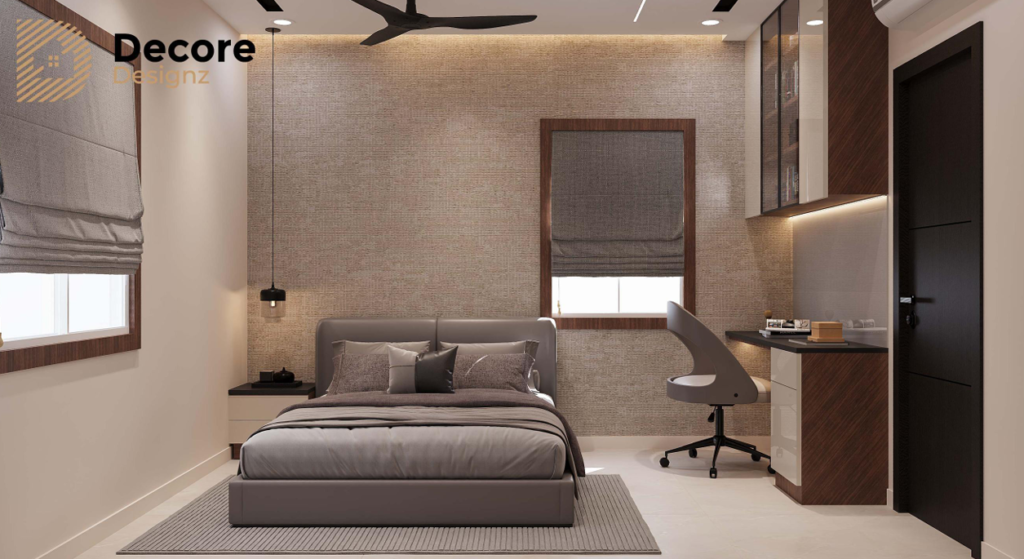
A bed facing a window can make a bedroom feel brighter, more open and visually connected to the outdoors. However, the placement needs careful planning. Window height, natural light, privacy, curtain clearance and the position of bedside furniture all influence whether the arrangement works. The goal is to make the window part of the bedroom design without compromising comfort, functionality or the room’s overall balance.
Is it a good idea to position your bed facing a window?
Yes. Positioning a bed facing a window can work particularly well when the window provides a pleasant view, brings in natural light or creates a strong visual feature within the bedroom.
There are two common arrangements:
- Bed facing the window: The bed is positioned opposite the window, allowing you to see it while lying down.
- Window behind the bed: The headboard is placed against or in front of the window wall, making the window part of the bed’s backdrop.
Both layouts can look attractive, but they have different practical considerations. A window opposite the bed generally makes it easier to maintain access to the window. A window behind the headboard requires more attention to curtain movement, headboard height, light control and ventilation.
Before choosing either arrangement, consider how the room is used throughout the day and night.
How do you arrange a bed facing a window?
The best layout depends on the bedroom’s dimensions, window position and available wall space.
1. Position the bed to make the window a focal point
When the bed faces a window, the view can become a natural focal point. Keep the arrangement balanced by aligning the bed with the window where the room dimensions allow.
Matching bedside tables or wall-mounted lights can create symmetry around the bed. However, do not force symmetry if it obstructs a wardrobe, door or circulation path.
The bed should remain the main visual element, while the window adds openness to the composition.
2. Consider the height of the window
Window height makes a significant difference to bed placement.
A low window may require a different headboard arrangement from a tall window that extends close to the ceiling. If the bed is placed directly in front of a window, check that the headboard does not cover too much of the glazing or interfere with the window’s operation.
For floor-to-ceiling windows, consider the position of the bed carefully. The furniture should not obstruct sliding panels, balcony access or curtain tracks.
3. Leave enough space around the bed
A visually attractive layout is not useful if it makes everyday movement difficult.
Check the clearance around both sides of the bed, access to wardrobes, bedside drawers and the route to the window. Also account for curtains when they are fully opened or closed.
If the room is compact, a narrower bedside table or wall-mounted alternative may work better than oversized furniture.
How do you design a bedroom with a window behind the bed?
A window behind the headboard can create an interesting architectural feature, especially when the bedroom has a wide window or a desirable outside view.
However, this arrangement needs more planning than simply placing the bed against the window wall.
Choose the right headboard design
A tall, solid headboard can block the window and reduce the amount of daylight entering the room.
Consider a lower-profile headboard or a design that allows the window to remain visually prominent. Upholstered finishes can add comfort, while a carefully designed frame can create definition without making the wall feel heavy.
If the window begins close to floor level, a separate headboard arrangement may be more practical than building a full-height structure across it.
Plan curtains without restricting the window
Curtains should frame the window rather than become trapped behind the bed.
Ceiling-mounted tracks can create a clean appearance and allow curtains to move across the window more freely. However, the track, fabric and opening arrangement must be planned around the bed’s position.
For bedrooms with large windows, consider combining sheer curtains for daytime privacy with blackout curtains for nighttime light control.
Our guide to curtain design and its role in interior design covers how window treatments influence the appearance and functionality of a room.
Think about ventilation and access
A window behind the bed should remain accessible wherever possible.
Avoid arrangements that make opening, cleaning or maintaining the window difficult. If the window is an important source of ventilation, the headboard and surrounding furniture should not prevent it from functioning properly.
This is particularly important with sliding windows and balcony doors.
What are the best design ideas for a bedroom with a bed facing a window?
The furniture, colours and window treatments should work together rather than compete for attention.
Design approach | How to use it |
Minimal headboard | Keeps the window visually prominent |
Floor-to-ceiling curtains | Creates a continuous, finished window backdrop |
Neutral bedroom palette | Helps natural light remain the focus |
Upholstered bed | Adds softness and comfort |
Matching bedside tables | Creates visual balance around the bed |
Warm ambient lighting | Makes the bedroom comfortable after sunset |
Layered window treatments | Provides flexibility for daylight and privacy |
For a contemporary bedroom, warm wood finishes, neutral upholstery and simple window treatments can create a balanced look.
For a more luxurious setting, consider textured wall finishes, carefully selected fabrics and integrated lighting. Avoid adding too many decorative elements around the window. The natural light and view should remain part of the design.
How do you maintain privacy and control sunlight?
A bedroom window can provide natural light, but it also introduces practical concerns.
Privacy becomes especially important when the window faces neighbouring apartments, roads or nearby buildings. The appropriate treatment depends on the window’s orientation and the surrounding environment.
Consider these options:
- Sheer curtains: Allow daylight to enter while offering daytime visual screening, depending on the lighting conditions.
- Blackout curtains: Help reduce external light when sleeping.
- Roller blinds: Provide a neat option for controlling daylight.
- Layered curtains: Allow you to switch between filtered daylight and greater privacy.
- Window films: Can provide additional screening, depending on the selected film and glass.
One point is often overlooked: sheer curtains do not guarantee privacy at night when the bedroom lights are switched on. Choose the window treatment according to actual privacy requirements rather than appearance alone.
What should you avoid when placing a bed near a window?
A few common planning mistakes can make this arrangement uncomfortable.
Blocking natural light: An oversized headboard can cover a substantial part of the window. Choose a design that respects the window’s dimensions.
Ignoring curtain clearance: Curtains need room to open and close. Plan the track and fabric before positioning the bed.
Obstructing ventilation: Do not compromise the operation of windows or balcony doors for the sake of symmetry.
Placing the bed too close to the glass: Consider drafts, condensation, heat gain and the need to clean the window.
Ignoring the outside view: A window facing a neighbouring wall may require more privacy planning than one overlooking an open landscape.
Overcomplicating the backdrop: Too many panels, shelves or decorative features can make the window wall feel crowded.
The right decision is not always to put the bed directly in front of the window. Sometimes shifting it slightly or placing it on an adjacent wall produces a more functional result.
How does professional bedroom planning make a difference?
A bedroom layout needs to account for more than the position of the bed. The window, wardrobe, bedside storage, lighting, electrical points and movement through the room must all work together.
In its published warm modern luxury bedroom project in Hyderabad, Decore Designz Studio demonstrates how the window-side area can be considered alongside the study corner, bedroom storage and dressing arrangement.
The important lesson is that each element should be planned as part of the complete room rather than treated as an isolated feature.
Design a bedroom around the way you live
A bed facing a window can be a defining feature of a bedroom when the layout is planned correctly. The important considerations are not just how the arrangement looks, but how it handles daylight, privacy, ventilation, storage and everyday movement.
At Decore Designz Studio, we plan residential interiors around the way people actually use their homes. From furniture placement to material selection and final execution, every decision should contribute to a bedroom that feels comfortable and considered.
Explore our interior design studio in Hyderabad or visit our interior design services page to discuss your bedroom requirements.
Frequently asked questions
Is it bad to have your bed facing a window?
No. There is no universal interior-design rule against placing a bed facing a window. The arrangement can work well when privacy, light, ventilation and furniture clearance are properly planned.
Can I place my headboard against a window?
Yes, but it requires careful consideration. The headboard should not obstruct window operation, ventilation or too much natural light. A lower or appropriately designed headboard may be more suitable.
How do I decorate a window behind my bed?
Use suitable curtains, a well-proportioned headboard and coordinated bedside furniture. Keep the window accessible and avoid adding unnecessary decorative elements that make the wall feel crowded.
Should a bed be directly opposite a window?
Not necessarily. Aligning the bed with the window can create a balanced composition, but the final position should be determined by the room dimensions, doorways, wardrobe access and circulation.
Which curtains work best for a bedroom with a window behind the bed?
Layered curtains are a practical option. Sheers help filter daylight, while blackout curtains provide greater control over light when sleeping. The track should be planned so the curtains can move without obstruction.
How can I design a small bedroom with a bed facing a window?
Use appropriately sized furniture, avoid bulky headboards, keep bedside storage compact and ensure the window remains accessible. A simple layout is usually more effective than adding partitions or unnecessary decorative structures.