

Laminate vs Acrylic: Which Finish Should You Choose?
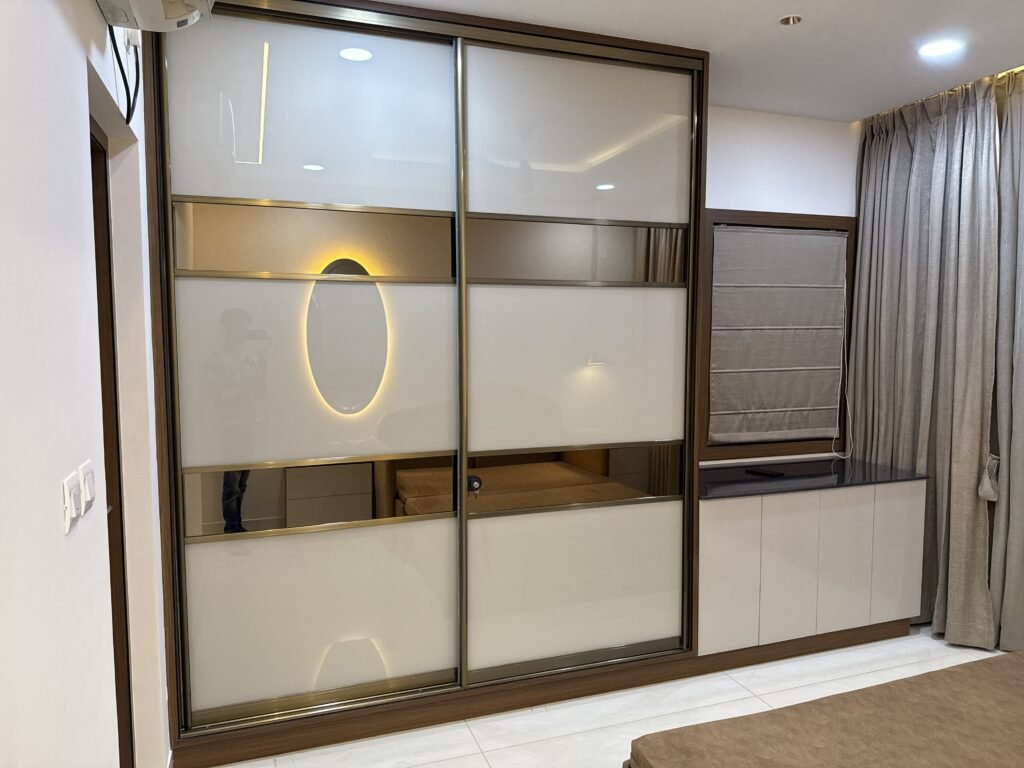
Choosing a finish for your kitchen cabinets or wardrobe is not just about selecting a colour. The surface affects how the furniture looks, how it handles everyday use, how easily it can be maintained and how well it fits the overall interior.
Two popular options are laminate and acrylic. Both are available in a wide range of colours and finishes, but they create noticeably different results. Laminate offers greater variety in textures and surface effects, while acrylic is known for its smooth, reflective appearance.
So, in the laminate vs acrylic comparison, which finish should you choose?
Choose laminate if you want flexibility in design, a wide range of textures and a practical surface for everyday use. Choose acrylic if you prefer a sleek, high-gloss appearance and a more reflective, contemporary look. Neither is universally better. The right option depends on the room, the design, maintenance expectations and how the furniture will be used.
What Is Laminate Finish?
Laminate is a decorative surface material made by bonding layers of paper and resin under heat and pressure. It is commonly used on furniture and cabinetry, where it is applied over a suitable substrate such as plywood, MDF or particle board.
It is available in several surface styles, including:
- Matte: A low-reflection surface that creates a subtle, understated appearance.
- Glossy: A reflective finish that adds brightness and visual contrast.
- Textured: Surfaces that imitate wood grain, stone, fabric or other materials.
- Woodgrain: Patterns that create the appearance of natural timber.
- Solid colours: A broad selection of neutral, muted and bold shades.
One of laminate’s main advantages is its design flexibility. It can suit traditional, contemporary and minimalist interiors without requiring the same surface appearance throughout the home.
However, laminate quality varies. Thickness, grade, surface texture and manufacturing quality all influence how it performs. Edge banding and application workmanship also matter.
What Is Acrylic Finish?
Acrylic is a decorative surface finish commonly used on cabinet shutters and furniture panels. Acrylic sheets are applied to a suitable substrate to create a smooth, uniform surface.
Its best-known feature is its high-gloss appearance. Light reflects across the surface, giving cabinets a clean and polished look. Acrylic is also available in matte options, although high-gloss acrylic is often the more recognisable choice.
Acrylic is commonly selected for:
- Modern modular kitchen shutters.
- Contemporary wardrobe shutters.
- Minimalist storage units.
- Feature cabinets and display units.
- Designs that use clean lines and reflective surfaces.
Acrylic can create a premium-looking finish, but it is not scratch-proof or maintenance-free. Fingerprints, dust and surface marks can be more visible on glossy finishes, particularly in areas that are touched frequently.
Laminate vs Acrylic: Key Differences
Comparison | Laminate vs Acrylic |
Appearance | Laminate offers matte, gloss, textured and woodgrain options; acrylic creates a smoother, more uniform appearance. |
Reflectivity | Depends on the selected laminate finish; high-gloss acrylic generally offers stronger reflection. |
Design variety | Wide choice of colours, patterns and textures, including realistic woodgrain effects. |
Scratch resistance | Varies by laminate grade and texture; acrylic can show scratches, especially on glossy surfaces. |
Fingerprints | Usually less noticeable on textured or matte laminates; more visible on glossy acrylic. |
Maintenance | Generally straightforward; cleaning depends on the surface texture and manufacturer’s instructions. |
Moisture | The finish alone does not make the cabinet waterproof; substrate, edges and joints matter. |
Repair | Localised damage can be difficult to make invisible; repair options depend on the finish and damage. |
Typical use | Wardrobes, kitchen cabinets, storage units and furniture across many design styles. |
Best suited to | Homes needing design flexibility and varied textures; contemporary spaces prioritising a sleek, reflective look. |
1. Appearance: Which Finish Looks Better?
Appearance is often the first reason homeowners compare laminate and acrylic.
Laminate gives you more freedom to work with different design directions. You can choose a soft matte surface, a subtle woodgrain, a stone-inspired texture or a bold colour. This makes it easier to coordinate cabinetry with flooring, wall finishes, countertops and other furniture.
Acrylic creates a more uniform and polished appearance. High-gloss acrylic reflects light and can make cabinet fronts look sleek and visually clean. It is particularly effective in contemporary kitchens where the design uses flat shutters, minimal detailing and controlled colour combinations.
The choice is not simply between ordinary and premium-looking finishes. A well-selected matte or textured laminate can look just as considered as acrylic. The difference is the visual effect you want.
Choose laminate for texture, woodgrain and understated surfaces.
Choose acrylic for a smooth, reflective and contemporary appearance.
2. Durability: Which Finish Lasts Longer?
Neither finish should be treated as indestructible. Durability depends on product quality, substrate preparation, application, edge detailing and everyday handling.
Good-quality laminate is generally a practical option for frequently used furniture. Its performance varies by grade and surface type. A suitable laminate can handle normal household use, although sharp objects, excessive impact and poor edge protection can still cause damage.
Acrylic offers a smooth decorative surface, but glossy versions can show scratches and marks more visibly. Damage to the sheet or its edges may also be difficult to conceal.
The important distinction is between actual damage and visible marks. A surface that shows fingerprints easily is not necessarily less durable; it may simply require more frequent cleaning to maintain its appearance.
For busy households, the finish should be selected around how the furniture will be used, not just how it looks in a sample display.
3. Scratch Resistance and Everyday Wear
Scratch resistance is one of the most important considerations when comparing acrylic vs laminate for wardrobes and kitchens.
Laminate performance depends on its grade, texture and surface properties. Textured and matte options can be practical because minor marks may be less noticeable than on highly reflective surfaces. However, laminate can still be scratched, chipped or damaged by sharp objects.
High-gloss acrylic can make scratches and surface marks more visible because light reflects across the smooth finish. It should be cleaned with suitable materials and protected from abrasive contact.
For homes with children, pets or frequent kitchen activity, a textured or matte laminate may be easier to live with than a high-gloss surface that needs regular attention.
Do not assume that every laminate is more scratch-resistant than every acrylic sheet. Compare the actual product specifications before making the decision.
4. Maintenance: Which Is Easier to Clean?
Both finishes can be maintained with routine care, but they do not show dirt in the same way.
Laminate is generally straightforward to clean using a soft cloth and a suitable mild cleaning solution. Textured surfaces may collect dust in grooves, while dark glossy laminates can show fingerprints and smudges.
Acrylic surfaces can be wiped clean, but high-gloss versions tend to reveal fingerprints, dust and cleaning streaks more clearly. Abrasive scrubbers and harsh cleaning chemicals should be avoided unless the manufacturer specifically permits them.
A few practical habits help maintain both finishes:
- Use a soft, clean microfibre cloth.
- Wipe spills rather than allowing them to remain on the surface.
- Avoid abrasive pads and rough cleaning materials.
- Follow the manufacturer’s cleaning recommendations.
- Do not use harsh chemicals without checking compatibility.
If you want a low-maintenance finish for a frequently handled cabinet, a suitable matte or textured laminate is often the more practical choice.
5. Laminate vs Acrylic for Kitchen Cabinets
Kitchen cabinets are exposed to frequent handling, cooking residue, cleaning and occasional spills. The finish needs to work with the cabinet construction and the kitchen’s overall design.
When laminate works well
Laminate is a versatile choice for kitchen cabinets because it offers a wide range of colours and textures. Matte finishes can create a restrained look, while woodgrain laminates can add warmth to an otherwise minimal kitchen.
It is also easier to coordinate different laminate patterns across overhead cabinets, base units and tall storage.
When acrylic works well
Acrylic is suitable when you want a sleek, high-gloss kitchen. It can work particularly well with handleless-looking designs, clean cabinet lines and carefully planned lighting.
However, fingerprints and surface marks may be more noticeable, especially on frequently used shutters.
Our recommendation: For a kitchen that prioritises practical everyday use and design flexibility, laminate is a strong option. Choose acrylic when its reflective appearance is central to the design and you are comfortable with the additional attention glossy surfaces may need.
The finish is only one part of the decision. The cabinet substrate, edge sealing, hardware and installation quality are equally important. Read our complete guide to modular kitchen materials before finalising the cabinet specification.
6. Laminate vs Acrylic for Wardrobes
Wardrobe shutters are large visible surfaces, so their finish has a significant effect on the bedroom’s appearance.
Laminate for wardrobes
Laminate is suitable for a wide range of wardrobe styles. Woodgrain finishes can create warmth, matte surfaces can look understated, and textured options can add depth without making the room feel busy.
It is also useful when you want to coordinate wardrobe shutters with a study unit, dressing area or other bedroom furniture.
Acrylic for wardrobes
Acrylic can create a clean, contemporary wardrobe, particularly when the design uses large, flat shutters. Glossy acrylic can reflect light, while matte options offer a more subdued appearance.
However, large glossy surfaces can reveal fingerprints and scratches more readily. The size, shutter arrangement and hardware should be considered before selecting the finish.
Our recommendation: Laminate is a flexible choice for most wardrobe designs, especially when texture and practical maintenance matter. Acrylic is worth considering when you want a sleek, uniform finish and a more reflective bedroom interior.
For storage layout, shutter configuration and material planning, explore our custom wardrobe design guide.
7. Can You Use Laminate and Acrylic Together?
Yes. You do not need to use the same finish across every cabinet in a room.
Combining the two can create contrast when it is planned carefully. For example, a kitchen may use a woodgrain or matte laminate on selected cabinets and acrylic on a feature bank of shutters. A wardrobe may combine a textured finish with a smooth accent panel.
The key is to control the number of colours, textures and reflective surfaces. Too many competing finishes can make a room feel visually cluttered.
A good material palette should work with the room’s lighting, flooring, wall colours and countertop selection.
Which Finish Should You Choose?
The choice between laminate and acrylic comes down to the appearance you want and the way you use your home.
Choose laminate if you want:
- More variety in colours, textures and woodgrain patterns.
- A practical finish for everyday wardrobes and kitchen cabinets.
- Matte or textured surfaces that can be easier to maintain visually.
- Flexibility when coordinating multiple furniture elements.
Choose acrylic if you want:
- A smooth, polished and contemporary appearance.
- A high-gloss surface that reflects light.
- Clean, uniform cabinet shutters.
- A finish that works with a sleek, minimal design.
At Decore Designz Studio, material and finish selection is considered alongside the cabinet structure, room lighting, storage requirements and the overall design language. The goal is not to select a finish simply because it looks attractive in a sample, but to choose one that works in the completed home.
Planning a new kitchen or wardrobe? Contact Decore Designz Studio to discuss a finish and material combination suited to your space.
Frequently asked questions
Is laminate better than acrylic?
Laminate is generally more versatile in terms of textures, patterns and everyday design applications. Acrylic is preferred for its smooth, reflective appearance. The better option depends on the look and maintenance requirements of the space.
Is acrylic more expensive than laminate?
Acrylic is generally positioned as a higher-cost finish than many standard laminate options. However, the final difference depends on product quality, brand, finish, substrate and installation.
Which is better for kitchen cabinets: laminate or acrylic?
Laminate is a practical choice for a kitchen that needs design flexibility and a range of surface textures. Acrylic is suitable when a sleek, glossy appearance is a priority. In either case, cabinet construction and edge protection matter.
Which is better for wardrobe shutters?
Both can work. Laminate offers more flexibility in woodgrain, matte and textured designs. Acrylic suits wardrobes that need a smooth, contemporary appearance.
Does acrylic scratch easily?
Acrylic is not scratch-proof. Scratches and marks can be particularly visible on high-gloss surfaces. Use suitable cleaning materials and follow the manufacturer’s care instructions.
Is laminate waterproof?
No. Laminate is a surface finish, not a guarantee that the cabinet underneath is waterproof. Water can still enter through joints, damaged edges and exposed substrate.
Can laminate and acrylic be used in the same kitchen?
Yes. They can be combined to create contrast, provided the colours, textures and reflective surfaces are planned as one coordinated design.