

Vitrified, Porcelain and Ceramic Tiles: What's the Real Difference?
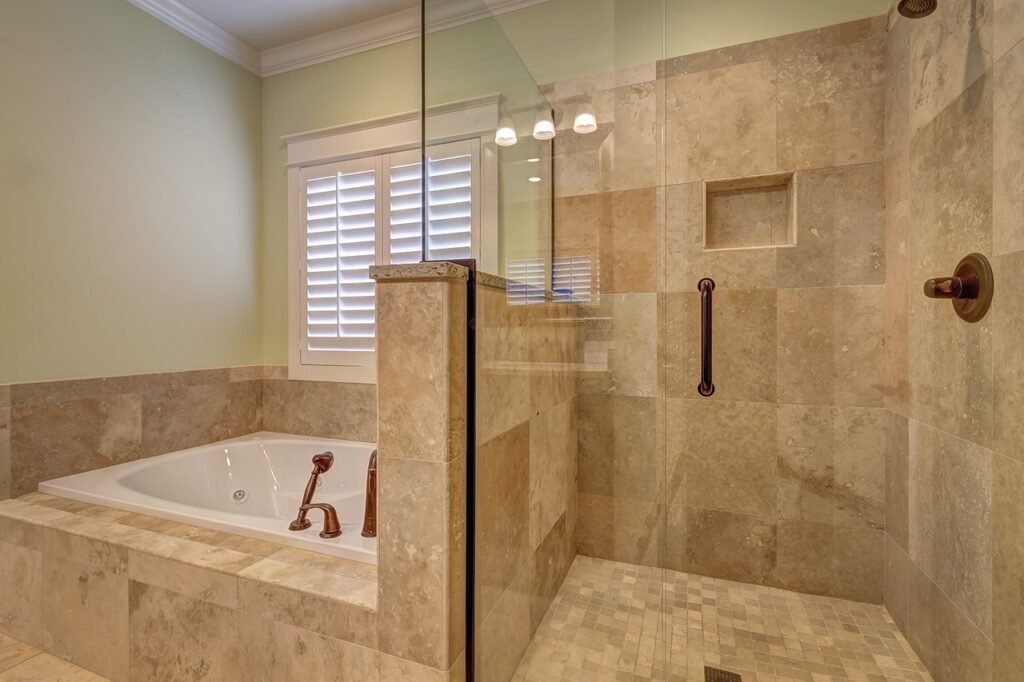
Choosing tiles is not just about colour, size or finish. The tile body affects water absorption, durability, maintenance and where the material is suitable. Ceramic tiles are commonly chosen for walls and lighter-duty applications, while vitrified tiles are widely used for residential flooring because of their dense body and low water absorption. Porcelain tiles are a type of ceramic tile made to meet stricter performance requirements, although product terminology can overlap across manufacturers. The right choice depends on the tile’s technical specifications and the room where it will be installed.
What is the difference between vitrified, porcelain and ceramic tiles?
The key differences are how the tile is manufactured, how much water it absorbs, and how well it performs in its intended application.
Tile type | What it means in practical terms |
Ceramic tiles | Made from clay and other natural materials, then fired. The category includes products with different bodies, finishes and performance levels. |
Vitrified tiles | Made using a process that creates a dense, low-porosity body. Commonly used for floors in homes and other spaces. |
Porcelain tiles | A category of ceramic tile generally defined by very low water absorption and specific technical requirements. Often used for floors and walls. |
One important detail: vitrified and porcelain are not always completely separate categories in everyday retail terminology. Manufacturers may use the terms differently depending on their product range and applicable standards. Do not choose based on the label alone. Check the product’s technical data, intended use and water-absorption rating.
Are vitrified tiles better than ceramic tiles?
Vitrified tiles are often a practical choice for high-use residential floors because their dense body generally absorbs less water than many conventional ceramic tiles. They can also be available in a wide range of finishes, including stone-look, marble-look and concrete-look designs.
Ceramic tiles still have a clear role. They can be suitable for wall applications, decorative areas and spaces where the selected product’s performance meets the requirement. They are not automatically inferior; they are simply a broad category with products designed for different purposes.
The better tile is the one that matches the application. A decorative wall tile should not be selected for a floor unless the manufacturer specifically rates it for floor use.
What are the advantages and limitations of each tile type?
Ceramic tiles: where do they make sense?
Ceramic tiles are available in many colours, patterns, sizes and finishes. They can be a sensible option for kitchen backsplashes, bathroom walls and other vertical surfaces.
Advantages
- Broad choice of designs and finishes.
- Useful for decorative wall applications.
- Individual tiles can often be replaced if damaged, provided a matching tile is available.
Limitations
- Performance varies considerably by product.
- Some ceramic tiles are not suitable for floors or heavy-use areas.
- Wall tiles should not be assumed to have the slip resistance or strength required for flooring.
Vitrified tiles: why are they common in home flooring?
Vitrified tiles are widely used for living rooms, bedrooms, passages and other residential floor areas. Their dense body and low porosity can make them suitable for everyday use when the product is correctly specified and installed.
Advantages
- Generally low water absorption.
- Available in polished, matte, textured and other finishes.
- Can suit large, visually continuous floor areas.
- Many designs replicate the appearance of marble, stone or concrete.
Limitations
- Polished surfaces may become slippery when wet.
- Hard surfaces can feel less forgiving underfoot than some alternative flooring materials.
- Large-format tiles require a suitable substrate, careful handling and accurate installation.
Porcelain tiles: what makes them different?
Porcelain tiles are generally characterised by very low water absorption and a dense body. They are available for both indoor and outdoor applications, but not every porcelain tile is suitable for every location.
Check whether the product is rated for the intended use. For example, a smooth polished porcelain tile may look appropriate in a bathroom but may not provide sufficient slip resistance for a wet floor.
Do not assume that every tile labelled “porcelain” is automatically stronger, safer or more durable than every vitrified tile. Compare the actual specifications.
Which tiles should you choose for each room?
Area | What to prioritise |
Living room | Abrasion resistance, easy cleaning, appearance and a finish suited to the household’s use. |
Bedroom | Comfort underfoot, visual continuity with adjoining spaces and everyday maintenance. |
Kitchen floor | Cleanability, suitable floor rating, resistance to everyday wear and a finish that is manageable around spills. |
Kitchen backsplash | A wall-rated tile with a surface that is easy to wipe clean. |
Bathroom floor | Slip resistance under expected wet conditions, suitable floor rating and correct waterproofing below the tile. |
Bathroom walls | Wall-rated tiles, easy cleaning, appropriate detailing around fittings and compatibility with the chosen layout. |
Balcony or outdoor area | Outdoor suitability, weather exposure, drainage and slip resistance. |
These are starting points, not universal rules. The same tile can behave differently depending on its finish, installation, grout joints, cleaning products and site conditions.
For bathroom planning, our guide to stylish bathroom interior design ideas can help connect material selection with the overall layout and appearance.
Does tile finish matter as much as tile type?
Yes. The tile body is only part of the decision. The surface finish affects appearance, cleaning and traction.
- Glossy or polished: Reflects more light and can create a bright, formal look. However, a polished surface may be slippery when wet and may show smudges or water marks more clearly.
- Matte: Usually produces less reflection and can be practical for everyday spaces. Its slip performance still depends on the specific product.
- Textured: May offer better grip in some applications, but deeper texture can make cleaning more demanding.
- Structured or grip finish: Can be useful in selected wet or outdoor areas, provided the product is rated for the application.
Do not select a bathroom or balcony tile by appearance alone. Ask for the manufacturer’s slip-resistance information and confirm that the rating is appropriate for the expected conditions.
What is the difference between double-charge and full-body vitrified tiles?
These terms describe different tile construction approaches. They are not interchangeable, and neither term should be treated as a guarantee of overall quality.
Double-charge vitrified tiles are manufactured by adding a second layer of coloured material during production. The decorative layer is generally thicker than a simple surface glaze, but the colour or pattern may not run through the entire tile body.
Full-body vitrified tiles have colour distributed through the body of the tile. This can make chips or wear less visually obvious when the surface colour is similar to the body.
The right choice depends on the product specification, intended traffic, appearance and maintenance expectations. Check the manufacturer’s technical details instead of relying on the product name alone.
What should you check before buying tiles?
Before finalising a tile, confirm the following:
- Application rating: Is it intended for the floor, wall, wet area or outdoor use you have in mind?
- Water absorption: Review the manufacturer’s declared value and the relevant product standard.
- Slip resistance: Especially important for bathrooms, balconies, utility areas and outdoor surfaces.
- Surface durability: Check whether the finish is suitable for the expected foot traffic and cleaning routine.
- Size and layout: Large-format tiles can create fewer grout lines, but they need a flat substrate and careful installation.
- Shade and calibre: Tiles from different production batches may vary in shade or dimensions. Purchase planning should account for this.
- Grout and installation: Tile performance depends partly on the substrate, adhesive, joint design, waterproofing where required and workmanship.
- Maintenance: Ask which cleaning products the manufacturer recommends and whether the finish needs any special care.
Always review the product documentation and inspect a physical sample under the lighting conditions of the home. A tile that looks subtle in a showroom can appear much more reflective or differently coloured under installed lighting.
How should tiles be planned for a home interior?
Tile selection should happen alongside the floor plan, furniture arrangement, lighting and adjoining finishes. The tile size influences joint placement and visual rhythm; the finish affects how light moves across the room; and the colour needs to work with cabinetry, wall colours and natural light.
In a compact apartment, using a consistent flooring material across connected areas may create a more continuous visual effect. That does not mean every room must use the same tile. Bathrooms, balconies and other functional areas may need different performance characteristics.
When planning an apartment interior, the tile decision should be coordinated with storage, circulation and the overall material palette—not made as a separate last-minute purchase. Our guide to interior design for small apartments covers the wider planning decisions that help spaces work together.
Choose tiles around how the home will be used
The best tile is not simply the one with the most premium finish or the strongest-sounding label. It is the one whose technical properties suit the room, whose surface works for the people using it, and whose appearance fits the larger interior scheme.
Decore Designz Studio plans residential interiors around how people move through and use their homes. If you are selecting flooring or wall finishes for a new home or renovation in Hyderabad, speak with our interior design studio about coordinating tiles with the layout, lighting, cabinetry and other finishes.
Frequently asked questions
Are vitrified tiles and porcelain tiles the same?
Not always in retail terminology. Porcelain is generally defined by technical performance requirements, including very low water absorption, while “vitrified” is commonly used for dense, low-porosity tiles. Product definitions and classifications can overlap, so check the declared specifications.
Which is best for home flooring: ceramic or vitrified tiles?
Vitrified tiles are a common choice for residential floors because of their dense body and generally low water absorption. Ceramic tiles may also be suitable where the product is specifically rated for floor use. Compare the individual product’s performance rather than relying on the category name alone.
Are glossy tiles suitable for bathrooms?
They may work on bathroom walls, but polished or glossy floor tiles can become slippery when wet. For the floor, select a product with suitable slip-resistance information for the intended conditions.
Are full-body vitrified tiles better than double-charge tiles?
Neither is automatically better in every situation. Full-body tiles have colour distributed through the body, while double-charge tiles have a thicker decorative layer. Consider the expected use, visible wear, finish and product specifications.
Can the same tile be used indoors and outdoors?
Only if the product is rated for both applications. Outdoor areas have different exposure, drainage and slip-resistance requirements. Confirm suitability with the manufacturer before specifying the tile.