

Simple Bedroom Design Ideas That Don't Feel Empty
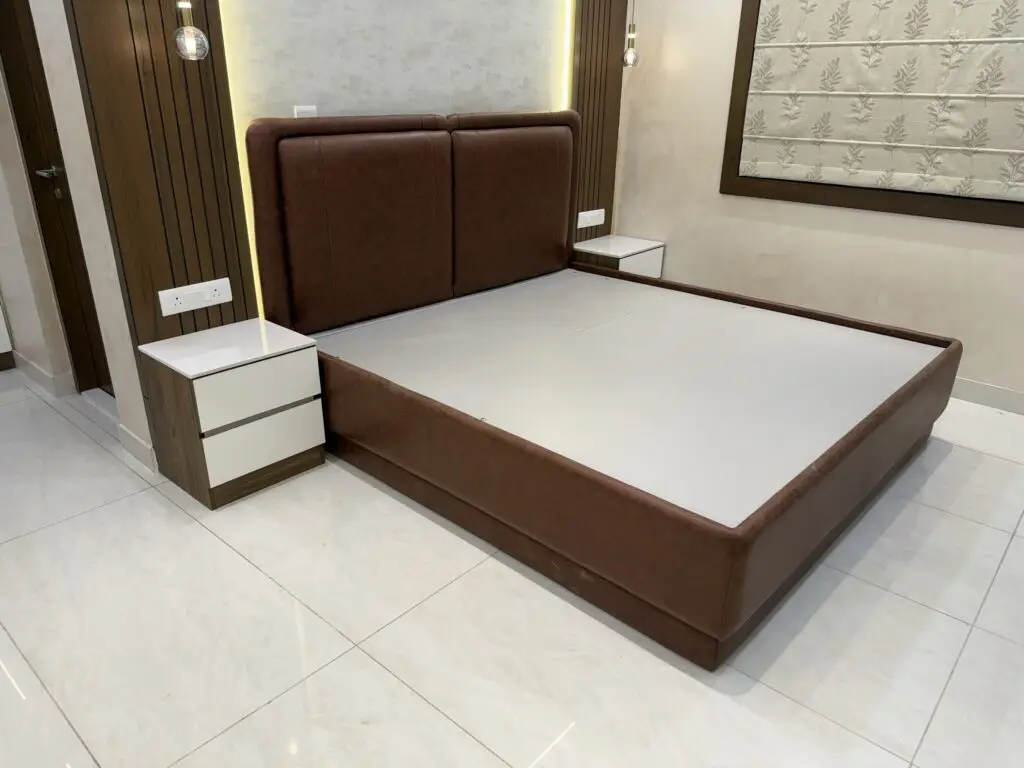
A simple bedroom should feel calm, not unfinished. The difference comes from proportion, lighting, texture, furniture placement and a few carefully chosen details. You don’t need to fill every wall or add decorative furniture to make a room feel complete. The goal is to give each element a purpose while creating enough visual warmth for the bedroom to feel comfortable and personal.
If you’re looking for simple bedroom design ideas, start with the elements you use every day: the bed, bedside lighting, curtains, storage and the wall behind the bed. When these work together, even a restrained interior can feel thoughtfully designed.
Why Does a Simple Bedroom Sometimes Feel Empty?
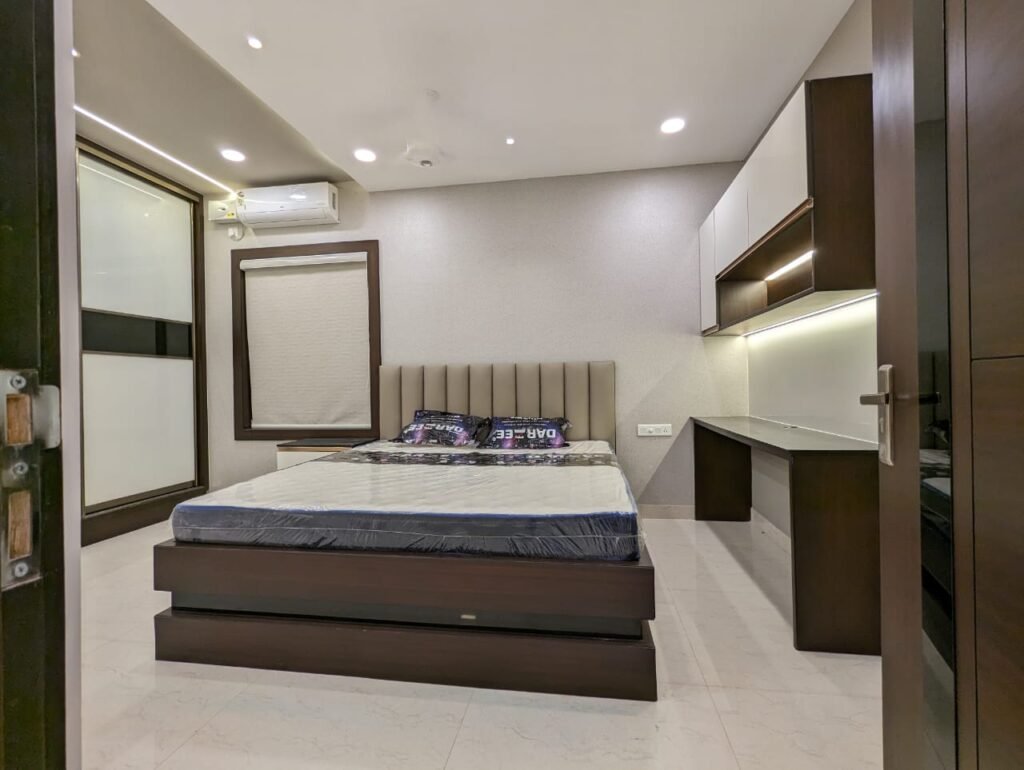
A bedroom can have good furniture, attractive colours and plenty of open space yet still feel incomplete. This usually happens when the elements don’t relate to one another.
For example, a large bed against a completely bare wall can look disconnected from the rest of the room. A single ceiling light may make the space feel flat at night. Furniture that is too small for the room can leave the layout looking unbalanced.
The solution isn’t necessarily to add more things. It is to identify what the room is missing.
A simple bedroom generally needs three things:
- Visual balance: Furniture and wall elements should feel proportionate to the room.
- Warmth: Materials, fabrics and lighting should soften the overall appearance.
- Purpose: Every decorative or functional element should contribute something useful.
Once these are in place, the room can remain uncluttered without feeling bare.
1. Give the Bed Wall a Clear Focal Point
The bed is usually the largest piece of furniture in a bedroom, so the wall behind it has a major influence on how the entire room feels.
Leaving it plain can work, especially when the architecture, bed and surrounding finishes already provide enough character. However, if the wall feels disproportionately empty, introduce one considered design element.
Some simple bedroom wall design ideas include:
- A fabric-upholstered headboard that extends slightly beyond the bed.
- A restrained wood-finish panel behind the headboard.
- A matte or subtly textured paint finish.
- A pair of carefully positioned wall lights.
- One appropriately sized artwork above the bed, where clearance allows.
Avoid combining every option on the same wall. A headboard, elaborate panelling, multiple shelves and several decorative objects can compete for attention.
Choose one main feature and let the rest of the room support it.
2. Use a Warm, Restrained Colour Palette
A simple bedroom doesn’t have to be entirely white. In fact, using the same shade on every surface can sometimes make a room feel flat.
Instead, combine a light base with a few related tones. Warm white, beige, soft taupe, muted grey and natural wood finishes can create a calm background without making the bedroom look unfinished.
For example, consider this combination:
- Walls: Warm off-white.
- Bed and upholstery: Beige or light taupe.
- Furniture: Natural wood or a restrained darker finish.
- Soft furnishings: A slightly deeper neutral for contrast.
- Accent colour: One muted green, terracotta or similar shade.
The important point is not to use these exact colours. It is to create a relationship between the surfaces.
If you want to explore more combinations, our guide to modern interior design in Hyderabad provides a broader starting point for understanding how colour, furniture and finishes work together.
3. Layer the Lighting Instead of Relying on One Ceiling Light
Lighting is one of the easiest ways to make a simple bedroom feel more complete.
A single bright ceiling light can illuminate the room adequately but often creates a flat atmosphere. Different lighting sources allow the bedroom to serve different purposes throughout the day.
Consider three layers:
General lighting: Recessed ceiling lights or another suitable ambient source provide overall illumination.
Bedside lighting: Wall lights, table lamps or pendants provide convenient light for reading and other evening routines.
Accent lighting: Soft, indirect illumination can highlight a textured wall, headboard or dressing mirror.
You don’t need all three layers in every bedroom. The correct arrangement depends on the room layout, ceiling, electrical points and how the space will be used.
Warm-toned lighting can help create a relaxed evening atmosphere. However, bedside reading still requires enough usable light, and dressing areas benefit from lighting that makes colours easier to distinguish.
The aim is to make the room feel comfortable at different times, not simply attractive in photographs.
4. Choose Furniture That Fits the Room
One common mistake in simple bedroom interiors is choosing furniture individually without considering how the pieces work together.
A large bed, oversized bedside tables and a bulky dressing unit can crowd the room. At the other extreme, a small bed with tiny tables may look lost in a large bedroom.
Start with the bed position and available circulation space. Then choose supporting furniture according to what the room genuinely needs.
Furniture | What to consider |
Bed | Proportion, comfort and clearance around it |
Bedside tables | Surface space, storage and accessibility |
Dressing unit | Daily use, mirror position and lighting |
Study desk | Whether the bedroom needs a dedicated work area |
Accent chair | Whether it serves a real purpose without obstructing movement |
In smaller rooms, combining functions can be more effective than adding furniture. A bedside unit with drawers, for instance, may provide the storage you need without requiring another cabinet.
For more detailed planning, see our space-saving interior design guidance.
5. Add Texture Without Adding Clutter
When a bedroom has a restrained colour palette, texture can provide the visual depth that colour and decoration might otherwise supply.
Consider a combination of smooth painted walls, soft bedding, woven curtains, an upholstered headboard and a wood-finish bedside table.
Each surface contributes a slightly different quality. Together, they make the room feel layered without requiring numerous decorative accessories.
A few practical options include:
- Linen-look or textured curtains.
- Cushions in two complementary fabrics.
- A bedspread with a subtle woven pattern.
- An upholstered headboard.
- A rug that relates to the bed and surrounding furniture.
- Wood or wood-look finishes that introduce visual warmth.
Texture should be considered alongside cleaning and maintenance. Heavily textured fabrics may collect dust more readily, while delicate finishes can require more careful upkeep.
Choose materials that suit the way you live, not just the way they look in a design photograph.
6. Use Curtains and Rugs to Bring the Room Together
Curtains and rugs can make a noticeable difference because they connect the room’s larger surfaces.
Curtains soften the window area and help the walls feel less stark. A suitable rug can visually anchor the bed and distinguish the sleeping area from the surrounding floor.
For curtains, consider the window dimensions, privacy requirements, daylight and how the fabric will hang. A fabric that is too heavy can overwhelm a compact room, while one that is too thin may not provide the privacy you need.
For rugs, consider the bed’s footprint and the available walking space. The rug should relate to the furniture rather than look like an isolated decorative item.
Neither element needs a bold pattern. Sometimes, a subtle change in texture is enough to make the bedroom feel more finished.
7. Make Storage Part of the Design
A room can look empty because it lacks visual warmth. It can also look unfinished because everyday items have no proper place.
These are different problems, and they need different solutions.
Rather than adding display shelves simply to fill a wall, first consider whether the room needs better storage. A well-planned wardrobe, a bedside cabinet or a suitable storage bed may solve a practical problem while helping the room remain orderly.
Closed storage is useful when you want a visually quiet interior. Open shelves can work when you have a genuine reason to display books, a few personal objects or items you use regularly.
The balance matters. Too many cabinets can make a bedroom feel heavy, while insufficient storage can leave everyday belongings scattered across visible surfaces.
Our guide to bedroom wardrobe planning explains why storage should be planned around actual routines rather than appearance alone.
8. Personalise the Bedroom With a Few Meaningful Details
A bedroom can be beautifully simple and still feel impersonal.
Personal touches help the space feel like yours. They might include a framed photograph, a piece of artwork, a favourite book, a distinctive lamp or an object connected to a meaningful memory.
The key is restraint. Choose a few things that matter rather than filling every available surface with accessories.
A useful test is to look at each item and ask whether it adds character, serves a purpose or has personal meaning. If it does none of these, it may not need to be there.
This is especially important when aiming for a simple bedroom interior. The objective is not to eliminate personality. It is to make the details that remain more noticeable.
9. Learn From a Real Bedroom Design Example
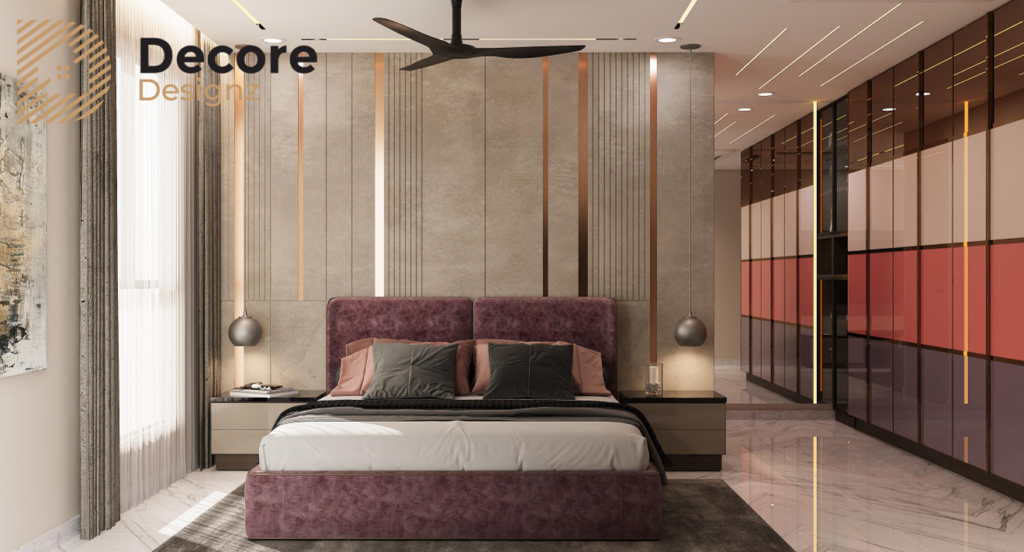
Decore Designz Studio’s published luxury bedroom design example demonstrates how a room can gain visual depth without relying on decoration everywhere.
The design brings together warm beige and cream, darker wood-look elements, an upholstered bed, a textured feature wall and selected burgundy and terracotta accents. Layered lighting and integrated storage help the different elements work together.
The useful lesson is not to copy the entire design into a simpler bedroom. It is to understand the relationship between its elements.
A more restrained version could retain the upholstered bed, introduce a subtle wall texture, use warm bedside lighting and limit the accent colour to a small number of details.
The same principle applies to apartments and independent homes in Hyderabad: the design should respond to the room’s proportions, natural light, storage requirements and the people using it.
What Should You Avoid in a Simple Bedroom Design?
A few common decisions can make a simple bedroom feel either bare or unnecessarily busy.
- Leaving every surface visually flat: Introduce one or two contrasting textures or a suitable focal point.
- Filling empty walls automatically: Empty space is not a problem when the room already feels balanced.
- Using too many accent colours: Keep the palette connected so individual elements don’t compete.
- Choosing furniture before planning the layout: Check clearances and movement before finalising dimensions.
- Depending entirely on ceiling lighting: Add task or accent lighting where it improves comfort and function.
- Copying a design without considering maintenance: Fabrics, finishes and open shelves should suit your daily routines.
The best approach is to identify what the bedroom actually needs before deciding what to add.
Design a Bedroom That Feels Right to Live In
A well-designed bedroom does not need to be full of furniture, dramatic wall treatments or decorative accessories. It needs the right balance of comfort, function, texture, lighting and personal detail.
At Decore Designz Studio, we approach residential interiors by understanding how people use their homes before deciding how the spaces should look. That includes planning furniture, storage, materials, lighting and execution as connected parts of the same design.
If you’re planning a bedroom or a complete home interior in Hyderabad, explore our interior design services to understand how a considered design can work for your space.
Want to discuss your home? Contact Decore Designz Studio to discuss your requirements and arrange a consultation.
- Phone: +91 96182 18055
- Email: decoredesignzstudio@gmail.com
Frequently Asked Questions
How do I make a simple bedroom look complete?
Start with a well-positioned bed, balanced furniture, suitable curtains, layered lighting and a restrained combination of colours and textures. Add a focal point only if the room needs one. You do not need to decorate every wall.
Which colours work best for simple bedroom interiors?
Warm white, beige, taupe, muted grey and natural wood tones are useful starting points. The best combination depends on daylight, flooring, furniture finishes and personal preference. A small accent colour can introduce character without overwhelming the room.
How can I make a bedroom feel cosy without clutter?
Use soft bedding, curtains, warm lighting and a few contrasting textures. Keep frequently used items organised and avoid adding furniture or decorative objects solely to fill empty space.
Can simple bedroom design work in a small apartment?
Yes. A simple approach can be particularly effective in an apartment because it encourages careful furniture selection, practical storage and clear circulation. The design should be scaled to the room rather than copied from a larger bedroom.
What is the difference between simple and minimalist bedroom design?
Simple bedroom design focuses on clarity, balance and avoiding unnecessary complexity. Minimalism is a more specific design approach that generally places stronger emphasis on reduction and restraint. A simple bedroom can still include layered fabrics, personal objects, textured finishes and decorative details.