

Freelance Interior Designer or Design Company? What Hyderabad Homeowners Should Know
Choosing an interior designer is not only about finding someone with a good portfolio. For a complete home project, you are also choosing how the design will be planned, how decisions will be communicated and who will coordinate the work once execution begins.
That is why many Hyderabad homeowners eventually ask a practical question: Should I hire a freelance interior designer or work with an interior design company?
Neither option automatically works for every home. The right choice depends on the size of the project, the amount of execution involved, how much coordination you need and how you prefer to work with your designer.
What Is the Difference Between a Freelance Interior Designer and a Design Company?
The simplest difference is the structure behind the service.
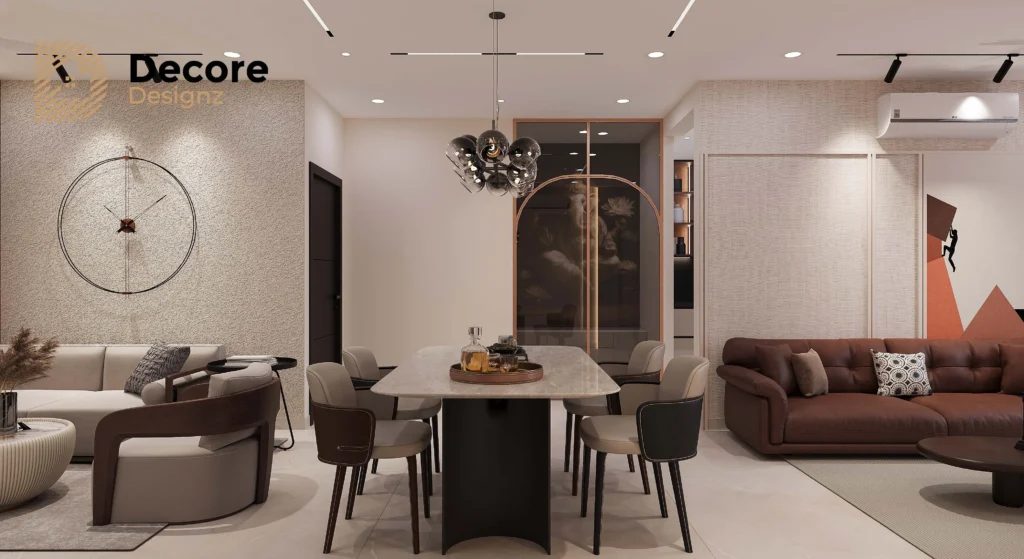
A freelance interior designer is usually an individual professional working directly with the homeowner. Depending on the designer, they may provide design, drawings, material guidance and coordination with separate contractors or vendors.
An interior design company normally operates with a broader team or organised project structure. Design, material selection, production, site coordination, installation and finishing may involve different people working under the same project process.
But there is an important point here:
Do not assume that every freelancer works alone or that every company manages everything in-house.
The actual scope needs to be checked before you sign an agreement.
Freelance Interior Designer vs Design Company: What Should You Compare?
Instead of asking which one is better, compare how each option handles the parts of your particular project.
What to Compare | Freelance Interior Designer | Design Company |
Main contact | Often the designer directly | May involve designer, project manager and site team |
Design involvement | Usually highly direct | Depends on the company structure |
Execution | May involve separate contractors | May be coordinated through the company |
Material sourcing | Depends on the designer | Depends on the company and scope |
Site coordination | May be handled personally or through contractors | Usually has a defined project process |
Communication | Often direct with the designer | May have multiple points of contact |
Large projects | Depends on available support | Team structure may support more coordination |
Customisation | Depends on capability and vendors | Depends on design and execution capability |
Accountability | Clarify who is responsible for what | Clarify responsibility across the project team |
Quotation | Scope can vary significantly | Scope can vary significantly |
1. How Much Design Attention Will Your Home Need?
A smaller project with limited customisation may require a different working structure from a complete 3BHK, 4BHK or villa interior.
With a freelancer, you may work closely with the same person from the first discussion through design development.
With a company, there may be a wider team. One person may understand your requirements, another may develop drawings and another may coordinate execution.
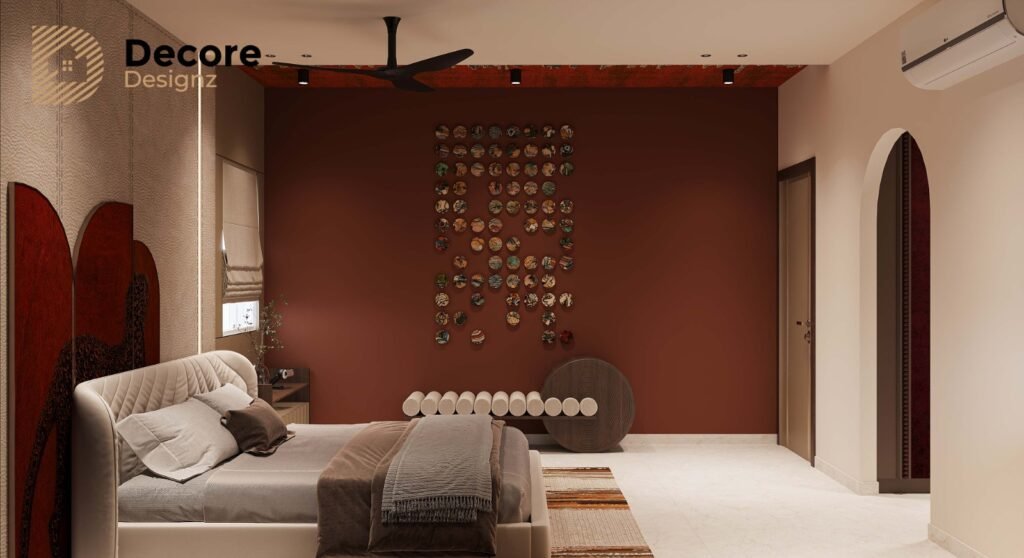
The important thing is knowing who is responsible for your project and how involved they will remain after the first few meetings.
2. Who Will Actually Execute the Interior?
This is one of the most important differences to investigate.
A designer can create an excellent layout and still leave you with a difficult execution process if nobody clearly owns the site coordination.
Ask:
- Who takes measurements?
- Who prepares production drawings?
- Who coordinates carpentry?
- Who handles electrical and civil work?
- Who checks installation?
- Who manages material deliveries?
- Who resolves site problems?
- Who checks the final finishing?
If you choose a freelancer, understand whether these responsibilities are handled directly by the designer or by separate contractors.
If you choose a design company, understand whether the company itself manages these stages or simply coordinates outside vendors.
The name on the quotation matters less than the responsibility defined in the agreement.
5. Who Will You Communicate With?
Direct communication can be one of the advantages of working with a freelancer.
You may speak directly with the person designing your home, discuss changes and receive decisions without moving through several people.
A company may have a more structured communication process. That can mean separate design and project contacts, scheduled updates or a defined escalation process.
Again, the structure itself is not the deciding factor.
Ask what communication will actually look like.
Who should you call when:
- You want to change a material?
- A site condition is different from the drawing?
- An installation needs correction?
- You have a question about the quotation?
- You need an urgent decision?
A clear answer before the project starts can prevent frustration later.
6. What Happens When Something Goes Wrong?
Interior work involves real sites, not just drawings.
A measurement may change. A material may become unavailable. A wall condition may be different from what was expected. A client may also change a requirement after seeing the finished result of another part of the home.
Ask how the designer or company handles these situations.
You should understand:
- Who identifies the issue?
- Who explains the available options?
- Who approves the change?
- Whether the change affects cost?
- Whether it affects the timeline?
- How the revised decision is recorded?
The important thing is not finding someone who promises that nothing will ever go wrong.
It is understanding what happens when something does.
7. Look at Completed Projects, Not Only Renders
This applies whether you are considering a freelancer or a design company.
A 3D visualisation shows what was proposed. A completed project shows what was actually delivered.
Look closely at:
- Furniture proportions
- Storage
- Kitchen detailing
- Material finishes
- Hardware
- Lighting
- Joinery
- Alignment
- Overall finishing
- How comfortable the rooms look to use
For example, Decore Designz’s completed Modern Home Interior Design in Kokapet is an 1,800 sq. ft. residential project where practical planning, customised furniture and smart technology were considered together rather than treating each element separately.
That is the kind of detail worth looking for when reviewing any designer’s portfolio: not just whether the photographs look attractive, but whether the design appears thought through.
8. When Does a Company Structure Become More Relevant?
The larger and more involved the project becomes, the more important project coordination can become.
A villa, large 4BHK or complete home renovation may involve more rooms, more materials, more custom furniture and more site activity than a smaller design-only assignment.
In such cases, ask whether the person or company you are hiring has the resources and process to manage the full scope.
But do not assume that company size automatically tells you the quality of execution.
A smaller practice may manage projects very closely, while a larger company may still leave responsibilities unclear.
Look at the actual process rather than the label.
So, Should You Hire a Freelancer or a Design Company?
A design company may suit a homeowner who wants a more structured process for design, materials, execution and project coordination.
But these are only general patterns.
The real comparison should be based on the person or team you are actually considering.
Look at their completed work. Understand the scope. Ask who will execute the project. Compare quotations carefully. Find out how changes are handled. Most importantly, understand who remains responsible from the first design discussion through final handover.
For a home interior project, the difference between a smooth experience and a frustrating one often has less to do with whether you hired a freelancer or a company—and more to do with whether the responsibilities were clear from the beginning.
Planning Your Home Interiors in Hyderabad?
Whether you are speaking with a freelancer or an interior design company, start with the same thing: understand how your home will be planned, what will be included and who will be responsible for bringing the design to life.
At Decore Designz, our approach combines residential interior design, practical planning, customised furniture, materials and execution around the way each homeowner actually lives.
If you are planning a new apartment, villa or complete home interior in Hyderabad, speak with our team about your requirements and project scope.
Frequently Asked Questions
Not necessarily. The total cost depends on the design scope, materials, furniture, execution, contractors, project size and what is included in the quotation. Compare the complete scope rather than only the design fee.
You may have more direct communication with the designer and a simpler working structure. However, you should still clarify who handles execution, vendors and site coordination.
A company may offer a more structured team and project process, particularly when several stages of design and execution need to be coordinated. The actual scope varies between companies.
A freelancer can handle a 3BHK project, depending on their experience, execution network and ability to manage the required scope. Check completed projects and understand who will handle execution before deciding.
Compare design approach, completed projects, materials, scope, execution responsibility, communication, timeline, change management and handover. These can have a significant effect on the final experience.
Prioritise essential cabinetry and functional requirements. Use standardised solutions where appropriate, avoid unnecessary decorative work and finalise major design decisions before execution begins. Compare quotations using equivalent materials and specifications.