

A beautiful home is not necessarily a well-designed home. A sofa can look perfect in a picture and still leave too little room to walk around. A kitchen can look impressive but become uncomfortable when you actually cook in it every day. A bedroom can have a beautiful wardrobe and still lack the storage you need.
That is why good house interior design has to go beyond appearance. It should consider how the home will be used, how people move through it, what needs to be stored, which materials will work best and how the finished design will be executed.
Whether you are moving into a new house, buying an apartment or renovating your existing home, the starting point should be your lifestyle—not a photograph copied from the internet.
What Does Good House Interior Design Actually Involve?
Good house interior design brings several decisions together.
The layout should make movement comfortable. Furniture should suit the available space. Storage should match the family’s needs. Lighting should support different activities. Materials should be suitable for their application, and the overall design should remain realistic for the available budget.
This is why house interior design is not simply about selecting colours, furniture or decorative pieces one by one. Everything needs to work together.
Start With the Way You Live
How many people will use the home?
Which rooms are used most often?
How much storage is required?
Do you cook frequently?
Do you work from home?
Do you need space for children, guests or hobbies?
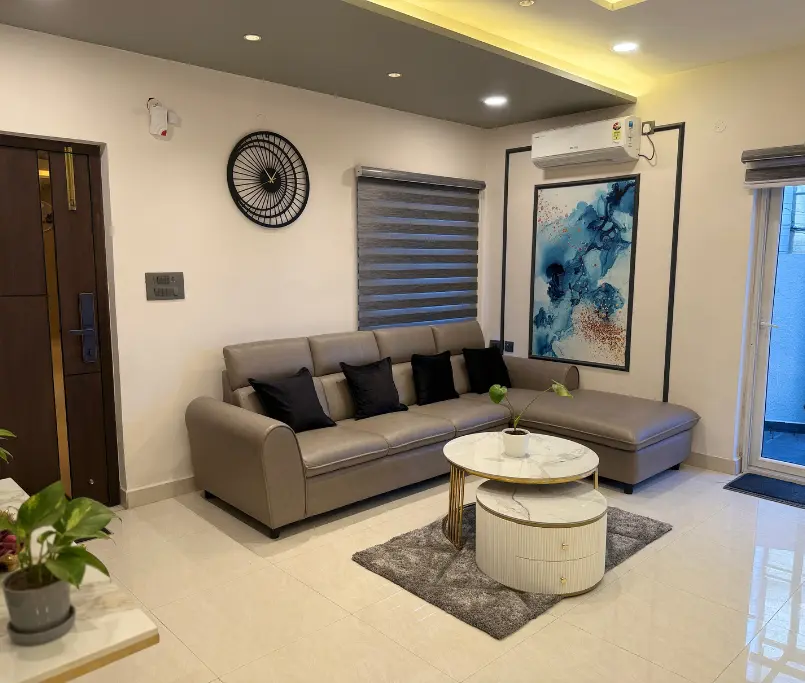
These questions may seem simple, but they can completely change the design decisions that follow.
A large centre table, for example, might look attractive but become inconvenient in a compact living room. Likewise, an oversized wardrobe may provide storage but leave too little circulation space.
Good planning starts with understanding how the people living in the home will actually use it.
For detailed planning and budgeting, read our Interior Design Cost & Planning Guide.
Choosing the Right Home Interior Designer
Finding a suitable home interior designer is about more than choosing the person with the most attractive portfolio.
Before making a decision, understand how the designer approaches your requirements and whether the proposed design can actually be executed.
Ask about:
- What is included in the project?
- Which materials are proposed?
- How will measurements be taken?
- What is included in the quotation?
- What is excluded?
- How are changes handled?
- What is the expected timeline?
- Who handles execution and installation?
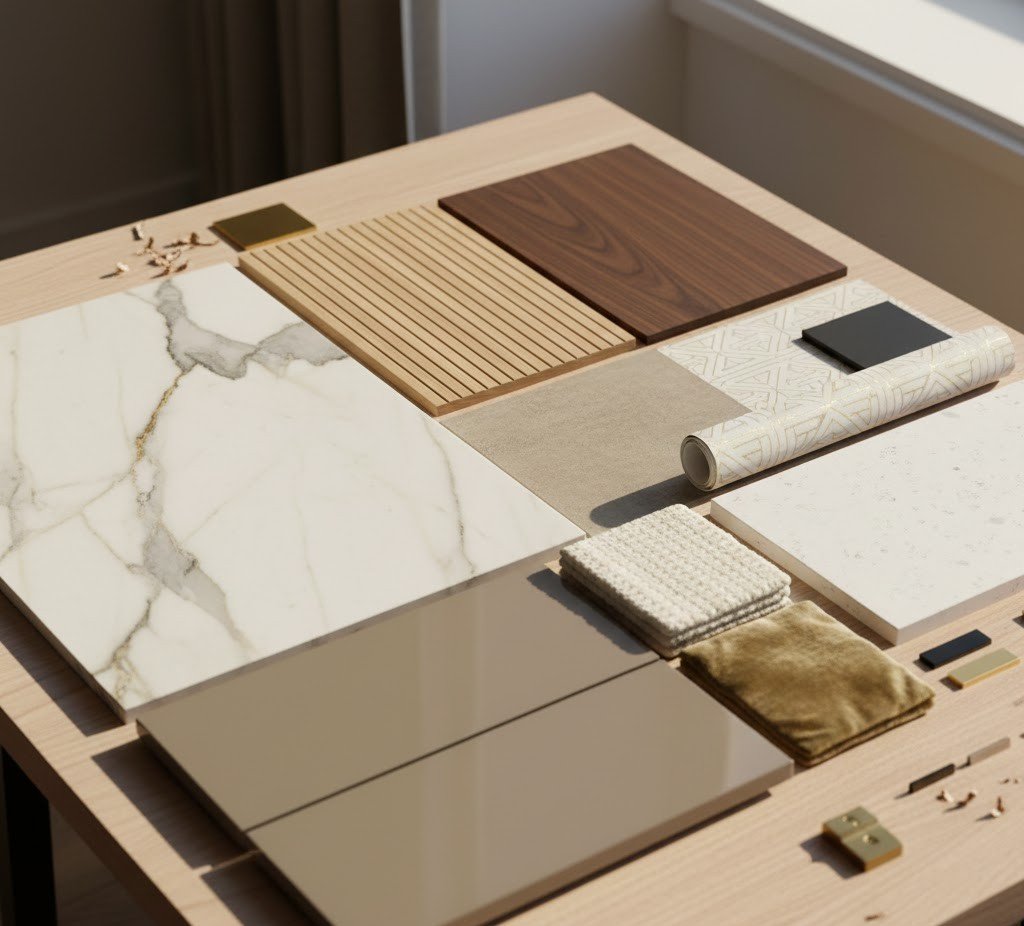
A designer should be able to explain both the creative and practical sides of the project.
Don't Design Only for Appearance
One of the most common interior mistakes is choosing something because it looks beautiful without considering how it will be used.
A room should look good, but it should also be comfortable to live in.
Furniture that blocks movement, insufficient storage or unsuitable materials can become frustrating long after the initial excitement of the design has disappeared.
A good interior should not make you choose between appearance and usefulness. The best results usually come when both are considered together.
Don't Ignore Storage
Storage should be planned before the room becomes crowded with furniture and decoration.
Think about what you actually own and where those things need to go.
Clothes may need hanging space and drawers. Kitchen equipment may need accessible cabinets. Everyday items may need easily reachable storage rather than being pushed into difficult-to-access corners.
A beautifully designed room can quickly feel cluttered if everyday belongings have nowhere practical to go.
Don't Change Major Decisions During Execution
Changing important decisions after work has started can affect both time and cost.
The more clearly the layout, materials, finishes and requirements are decided beforehand, the easier the execution becomes.
For detailed planning and budgeting, read our Interior Design Cost & Planning Guide.
Don't Copy Another Home Exactly
Online photographs are useful for discovering what you like, but your home will never have exactly the same dimensions, lighting or requirements.
Use inspiration as a starting point.
If you like a particular living room, identify what attracts you to it—the colour palette, furniture arrangement, lighting or material combination—and adapt that element to your own home.
For more inspiration, see our Modern Home Interior Ideas Guide.
How an Interior Designer Turns Ideas into Reality
When it comes to creating a beautiful home, a solid starting point is really getting to know the people who will actually live there. Before diving into the final designs, an interior designer needs to understand things like the layout of the house, the family’s needs, their style preferences and how they plan to use each space.
For instance, a family that often hosts gatherings might arrange their living room quite differently from one that primarily uses it for casual family time. Similarly, someone who enjoys cooking and spends a lot of time in the kitchen will have different requirements compared to someone who only cooks occasionally.
An interior designer’s job is to bring these individual needs together and create a design that looks good while being practical for everyday life.
Image Accordion #1
Image Accordion Content Goes Here! Click edit button to change this text.
Image Accordion #2
Image Accordion Content Goes Here! Click edit button to change this text.
Image Accordion #3
Image Accordion Content Goes Here! Click edit button to change this text.
From Ideas to Reality
Designing a home isn’t just about coming up with a visually appealing plan. It’s also about turning that plan into an actual living space.
A lot goes into this stage, including taking precise measurements, selecting materials, ensuring furniture fits properly, addressing electrical needs and understanding the conditions of the site.
Even a design that looks fantastic in a drawing needs to fit properly in the real world. This is why homeowners and designers need to communicate openly. Discussing requirements clearly before getting started helps ensure that major changes can be assessed without unnecessarily disrupting the overall design.
Tailoring Designs to Different Spaces
The approach to interior design can vary greatly depending on the size and shape of a home.
For a small apartment, for example, the focus might be on multifunctional furniture, vertical storage solutions and ensuring there is enough room to move around comfortably. On the other hand, a larger house may provide more opportunities for distinct furniture arrangements, additional storage and separate spaces for different activities.
In both cases, the goal is the same: to make the most of the available space without adding things that create unnecessary clutter.
The Balance of Style and Usefulness
A well-designed interior should not make homeowners choose between looking good and being practical.
Elements like colour, texture, furniture and lighting shape the visual appeal of a home, while storage, space flow, material choice and room layout influence overall comfort.
When these elements are considered together, the outcome can be both beautiful and functional.
For example, hidden storage can help a room look tidy while still holding day-to-day necessities. Likewise, well-placed lighting can enhance the feel of a room while also supporting specific activities.
Why Personal Touch Is Key
Every home has its own requirements.
The number of residents, their routines, storage needs, preferences and daily activities all play a significant role in how a home is ultimately designed.
A layout that works wonderfully for one family might not suit another at all.
Instead of relying on a generic design, a good interior design process takes the time to understand what the homeowner actually needs and adapts the design to fit those requirements.
This approach can result in a space that feels personal and connected to the people living there rather than looking like a showroom.
Thinking About the Long Term
Decisions made during the design process can affect a home for many years.
Storage needs can change as families grow. Furniture may need to adapt to new requirements. Materials will experience daily wear and tear, and fixtures may receive regular use.
Considering the long-term impact of design decisions can help homeowners make more thoughtful choices.
A successful interior should not only look appealing when the project is completed. It should also continue to support everyday life as the family’s requirements change.
Practical Things to Consider Before Finalising Your Interior Design
Before giving the final approval to a design, consider these practical questions:
- Are the furniture dimensions right for the room's size?
- Is there enough room for easy movement?
- Does the storage plan meet your family's needs?
- Are the electrical outlets and lighting positioned appropriately for the planned furniture?
- Are the materials chosen suitable for their intended purpose?
- Is the quotation clear about what is included and what is not?
- Can the design be realistically executed in your space?
It can also be helpful to compare quotations based on the work involved, not just the total cost. Different quotations may vary because they cover different materials, furnishings or installation methods.
Planning Your Home Interiors in Hyderabad?
If you are planning a new home or renovating an existing one in Hyderabad,
speak with the Decore Designz team before finalising your design and execution plan.

Pingback: Modern Home Interior Design: Stylish Ideas for Your Hom